How to Incorporate Sustainable Materials in Your Interior Design Ideas
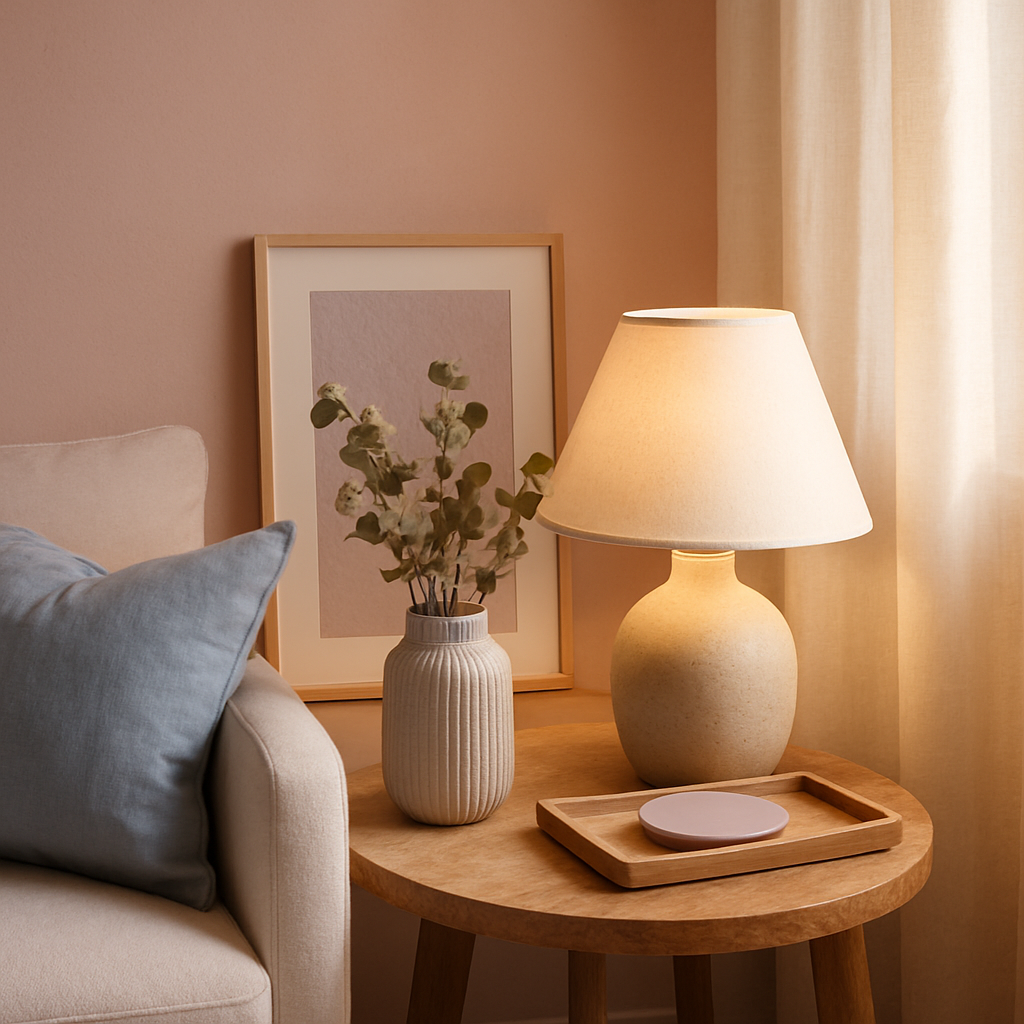
Imagine transforming your home into a stunning sanctuary while also reducing your carbon footprint. According to a 2023 survey by Houzz, 70% of homeowners are now prioritizing sustainability in their renovation plans. This growing trend underscores the importance of incorporating sustainable materials into your interior design ideas, not just for environmental benefits but also for creating unique and beautiful spaces. In this article, you'll discover foundational concepts of sustainable design, delve into data-driven insights, and gain actionable strategies to make your home more eco-friendly. You'll also explore expert-level details and additional depth, ensuring your design choices are not only stylish but also sustainable.
Understanding Sustainable Materials in Interior Design
Sustainable materials are at the heart of eco-friendly interior design. They are defined by their ability to be sourced and used without depleting natural resources or harming the environment. Common examples include bamboo, reclaimed wood, recycled metal, and organic textiles. These materials are not only environmentally conscious but also offer unique aesthetic qualities that can enhance any space. Bamboo, for instance, is a rapidly renewable resource, growing up to 39 inches in a single day, making it a popular choice for flooring and furniture.
Beyond their environmental benefits, sustainable materials often come with a story. Reclaimed wood, salvaged from old barns or factories, carries a history that adds character and warmth to modern interiors. This narrative aspect is increasingly appealing to homeowners looking to create spaces that reflect their values and lifestyle. According to the American Society of Interior Designers (ASID), there is a rising demand for materials that tell a story, with 60% of designers reporting an increase in requests for reclaimed materials in their projects.
Incorporating sustainable materials into your design plans also aligns with the biophilic design trend, which emphasizes a connection to nature. This approach not only benefits the environment but can also improve your well-being by creating a calming and restorative home environment. As you consider sustainable options, think about how these materials can transform not just the look but the feel of your home. Transitioning from understanding to application, the next section will explore data and trends that can guide your sustainable design decisions.
Analyzing Sustainable Design Trends and Data
As the push for sustainability grows, data from industry surveys can provide invaluable insights into current trends. The 2023 Houzz report revealed that 40% of homeowners are incorporating energy-efficient upgrades alongside sustainable materials in their renovation projects. This combination not only reduces environmental impact but can also enhance property value, with well-designed sustainable interiors potentially yielding a 5-15% higher resale value.
Moreover, the International Interior Design Association (IIDA) notes that sustainable materials are no longer just a niche market. The shift towards eco-friendly design is becoming mainstream, with major retailers and manufacturers expanding their offerings to include green products. This increased availability makes it easier for homeowners to access sustainable options, often at competitive prices. For example, recycled glass countertops, once a luxury item, are now more affordable and widely available, offering a stylish and sustainable alternative to traditional materials.
The demand for sustainable materials is also driven by technological advancements, such as AR/VR room visualization tools, which allow homeowners to envision how these materials will look and perform in their spaces. This technology can help you make informed decisions, reducing the risk of costly mistakes and ensuring your design aligns with your sustainability goals. With a data-driven understanding of sustainable design trends, it's time to explore actionable strategies for incorporating these materials into your home.
Actionable Strategies for Sustainable Interior Design
To successfully integrate sustainable materials into your interior design, start by assessing your current space and identifying areas where eco-friendly upgrades can make the most impact. Are there furniture pieces or fixtures that could be replaced with sustainable alternatives? For instance, swapping out synthetic carpets for natural fiber rugs, such as those made from wool or jute, can significantly reduce your home's environmental footprint while adding texture and warmth.
Consider working with a certified interior designer (NCIDQ) to navigate the vast array of sustainable materials available. These professionals can provide expert recommendations tailored to your specific needs and budget, ensuring you choose materials that are both stylish and sustainable. Their expertise can be particularly valuable when selecting items like low-VOC paints, which improve indoor air quality by minimizing harmful chemical emissions.
Another effective strategy is to incorporate locally sourced materials, which reduce the carbon footprint associated with transportation. This approach not only supports local economies but can also lead to unique design elements that set your home apart. For example, using locally quarried stone for countertops or fireplace surrounds can add a distinctive regional touch while adhering to sustainable principles. As you implement these strategies, the following section will provide expert-level insights to further enhance your design process.
Expert Insights on Sustainable Design Implementation
Experienced professionals often note that successful sustainable design requires a holistic approach. It's not just about the materials you choose but also how they are used and maintained. For instance, installing energy-efficient lighting and smart climate control systems can complement your sustainable material choices, creating a truly eco-friendly home. According to the NCIDQ, integrating smart technologies can reduce energy consumption by up to 30%, further enhancing your home's sustainability.
When selecting sustainable materials, it's crucial to consider their lifecycle. Durable materials like stone and hardwood can be more sustainable in the long run, as they require less frequent replacement. This longevity not only benefits the environment but can also result in cost savings over time. The American Institute of Architects (AIA) emphasizes the importance of lifecycle analysis in sustainable design, encouraging homeowners to invest in quality materials that will stand the test of time.
To ensure your design remains sustainable, regular maintenance is key. For example, natural wood surfaces require periodic sealing to protect against moisture and wear. By maintaining your materials, you extend their lifespan and preserve their eco-friendly benefits. As you delve deeper into sustainable design, the next section will explore additional considerations to further enrich your understanding.
Deepening Your Understanding of Sustainable Design
As you continue your journey into sustainable interior design, it's essential to stay informed about the latest developments and innovations. Platforms like Architectural Digest's AD PRO network offer valuable resources and insights from industry leaders, helping you stay ahead of trends and incorporate cutting-edge materials and techniques into your projects.
Networking with other design enthusiasts and professionals can also provide fresh perspectives and ideas. Consider joining organizations such as ASID or IIDA, which offer educational opportunities and events focused on sustainable design. These platforms can connect you with like-minded individuals and experts who share your passion for eco-friendly interiors, fostering a collaborative environment for learning and growth.
Finally, don't underestimate the power of visual inspiration. Platforms like Instagram and Pinterest are treasure troves of sustainable design ideas, showcasing innovative uses of materials and creative approaches to eco-friendly living. By engaging with these communities, you can gather inspiration and refine your design vision, ensuring your home is both beautiful and sustainable. With these additional insights, you'll be well-equipped to create a home that reflects your commitment to the environment. Let's wrap up with some final perspectives.
Final Perspectives on Sustainable Interior Design
As you consider incorporating sustainable materials into your interior design, remember that every small change can contribute to a larger impact. Whether it's choosing eco-friendly paint or investing in energy-efficient appliances, each decision supports a more sustainable lifestyle. This holistic approach not only benefits the environment but also enhances your home's aesthetic and value.
Reflect on how your design choices can align with your personal values and lifestyle. Are there areas in your home that could benefit from a sustainable makeover? By prioritizing sustainability, you create spaces that are not only stylish and functional but also environmentally responsible. This conscious approach to design can lead to a more fulfilling and harmonious living environment.
As you move forward, continue to seek out new information and inspiration. The world of sustainable design is constantly evolving, offering endless opportunities to innovate and improve. By staying engaged and informed, you can ensure your home remains a reflection of your commitment to the planet. With this mindset, you're ready to take the next step.
Conclusion: Embarking on Your Sustainable Design Journey
Incorporating sustainable materials into your interior design is not just a trend but a necessity for a healthier planet and home. By understanding foundational concepts, analyzing trends, and applying actionable strategies, you can create spaces that are both beautiful and environmentally conscious. As you embark on this journey, remember that every choice counts, and even small changes can make a significant impact.
Now, it's time to put these insights into practice. Start by browsing designer portfolios on Houzz or exploring sustainable product options on platforms like Pinterest. Even dedicating 20 minutes a week to research can sharpen your eye for eco-friendly materials and inspire your design vision. Embrace the challenge of sustainable design and transform your home into a space that reflects your values and aspirations. Your journey to a greener home begins today.


Comments
Post a Comment