How to Incorporate Sustainable Materials in Modern Interior Design
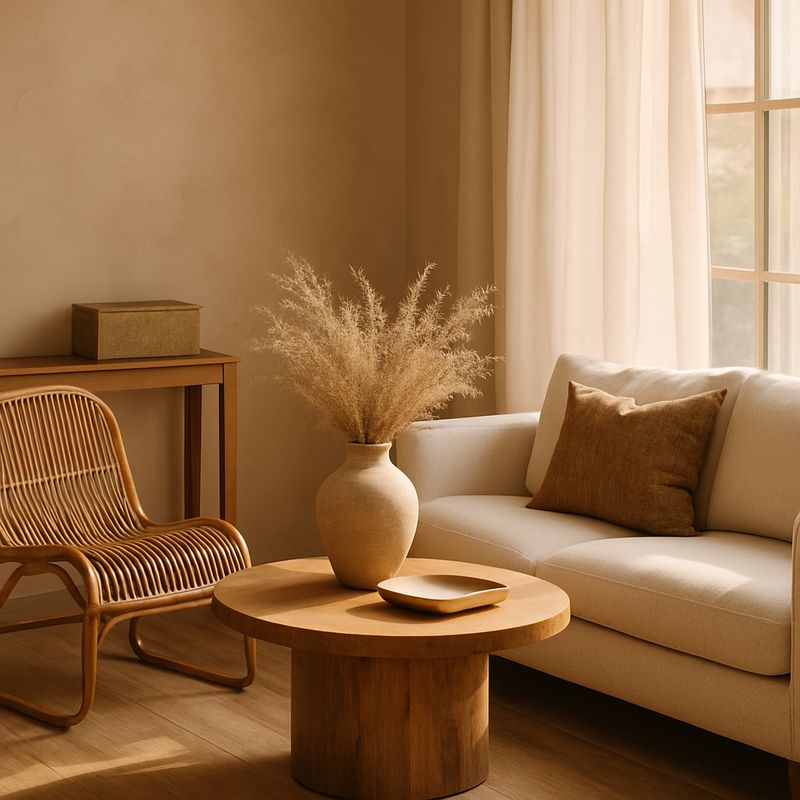
Imagine transforming your living space into a stunning showcase of modern design while also being kind to the planet. This is not just a dream but an achievable reality with sustainable materials in interior design. According to Houzz's annual survey, more than 70% of homeowners are interested in integrating eco-friendly features into their homes. This growing trend is not only about aesthetics but also about making environmentally conscious choices. In this article, we will explore foundational concepts of sustainable materials, delve into data-backed benefits, and provide actionable strategies for incorporating these materials into your interiors. We'll also offer expert insights and additional depth to guide your eco-friendly journey.
Understanding the Basics of Sustainable Materials
Sustainable materials are those sourced and manufactured in ways that minimize their impact on the environment. This includes using renewable resources, reducing energy consumption during production, and ensuring the material can be recycled or biodegraded at the end of its life. For instance, bamboo is a popular sustainable material due to its rapid growth cycle and minimal need for fertilizers or pesticides. Are you familiar with how rapidly the bamboo industry is growing as a sustainable alternative?
Another key sustainable material is reclaimed wood, which not only reduces the need for new timber but also provides a unique aesthetic with its history and character. Reclaimed wood is often sourced from old buildings, barns, or factories, giving it a rustic charm that is highly sought after in modern design. The use of reclaimed wood can significantly reduce carbon emissions compared to using new lumber, aligning with the goals of environmentally conscious homeowners.
Beyond wood, recycled metals like aluminum and steel are increasingly used in interior design. These metals require less energy to produce than virgin materials and can be recycled indefinitely without losing their strength or quality. Using recycled metals can help reduce a project's carbon footprint, making them a smart choice for those looking to create sustainable interiors. As sustainable design becomes more mainstream, understanding these materials is crucial for informed decision-making.
The Impact of Sustainable Materials: Data and Analysis
Integrating sustainable materials into interior design is not just an ethical choice; it has tangible benefits. According to the American Society of Interior Designers (ASID), incorporating eco-friendly materials can lead to savings of up to 20% on energy costs. This is achieved through improved insulation, reduced waste, and more efficient resource use. Have you considered how much you could save by adopting these practices in your home?
Moreover, studies show that homes designed with sustainable materials often enjoy a higher resale value. The National Association of Realtors reports that homes with green certifications can sell for up to 9% more than non-certified homes. This increase is largely due to the growing demand for eco-friendly features among savvy buyers. It's clear that investing in sustainable materials can offer substantial financial returns in addition to environmental benefits.
Furthermore, using sustainable materials can enhance the health and well-being of a home's occupants. Materials like low-VOC (volatile organic compound) paints and finishes reduce the emission of harmful chemicals, leading to better indoor air quality. The Environmental Protection Agency (EPA) notes that indoor air pollution is often worse than outdoor pollution, making this an important consideration for any homeowner. These insights underscore the multifaceted advantages of sustainable design.
Actionable Strategies for Incorporating Sustainable Materials
Incorporating sustainable materials into your interior design requires careful planning and execution. Start by evaluating the materials currently in your space and identifying areas for improvement. For instance, consider replacing old carpeting with sustainably sourced hardwood or bamboo flooring. Not only are these materials more durable, but they also contribute to a healthier indoor environment. Are you ready to make a small change that has a big impact?
Another effective strategy is to choose furniture and decor made from recycled or upcycled materials. Many designers now offer collections crafted from repurposed items, which can add a unique touch to your home. Shopping locally can also reduce the carbon footprint associated with transporting goods, supporting sustainability efforts. Platforms like Etsy and local artisan markets are great resources for finding such items.
Finally, consider incorporating biophilic design elements, which emphasize natural materials and indoor-outdoor connections. This can be as simple as adding plants to your decor or as complex as installing a living green wall. Biophilic design not only enhances aesthetics but also improves mental well-being by bringing nature into your living space. By following these strategies, you can create a modern interior that is both stylish and sustainable.
Expert Insights on Sustainable Interior Design
Experienced professionals often note that the key to successful sustainable interior design lies in finding the right balance between aesthetics and functionality. According to the International Interior Design Association (IIDA), designers are increasingly using virtual reality (VR) tools to visualize sustainable materials in a client's space before making final decisions. This technology helps clients understand how these materials will look and feel in their home.
Moreover, experts advise prioritizing long-term quality over short-term trends. Sustainable design is not just about following the latest fads but about making choices that will stand the test of time. Certified interior designers, especially those with NCIDQ (National Council for Interior Design Qualification) certification, can offer guidance on selecting materials that are both environmentally friendly and durable. Their expertise ensures that your design choices are informed and strategic.
Finally, collaboration with professionals who specialize in sustainable design can provide deeper insights and access to resources that might not be available to the general public. Many designers are part of networks like Architectural Digest's AD PRO, where they share knowledge and innovations in sustainable design. Engaging with these experts can help you navigate the complexities of sustainable interior design.
Exploring Additional Depth: Beyond the Basics
While adopting sustainable materials is a significant step, understanding the broader implications of these choices is equally important. The shift towards sustainability in interior design is part of a larger movement towards environmental responsibility. By choosing sustainable materials, you contribute to a global effort to reduce waste and conserve resources. Have you thought about the broader impact your choices could have?
Additionally, sustainable materials often come with certifications that ensure their eco-friendliness, such as the Forest Stewardship Council (FSC) certification for wood products. These certifications provide assurance that the materials meet specific environmental standards, helping you make informed decisions. Familiarizing yourself with these certifications can be a valuable part of your design process.
Finally, sustainable interior design is an evolving field, with new materials and technologies emerging regularly. Staying informed about these developments can help you keep your spaces modern and innovative. Engaging with design communities online, such as those on Houzz or Pinterest, can provide inspiration and updates on the latest trends in sustainable materials.
Final Perspectives on Sustainable Materials
Incorporating sustainable materials into your modern interior design is a decision that benefits both your home and the planet. It requires thoughtful choices and a willingness to explore new materials and methods. However, the rewards-both aesthetic and environmental-are well worth the effort. Have you considered what sustainable materials could bring to your space?
As more homeowners embrace sustainable design, the industry continues to innovate, offering new materials and technologies that make it easier than ever to create eco-friendly interiors. Whether you're planning a complete renovation or making small changes, there's a sustainable solution that can meet your needs. By prioritizing sustainability, you contribute to a healthier environment and create a home that reflects your values.
Ultimately, sustainable interior design is about more than just the materials you choose. It's about creating spaces that are beautiful, functional, and in harmony with the world around us. As you embark on your design journey, remember that every choice counts. Your commitment to sustainability can inspire others and contribute to a more sustainable future for everyone.
Conclusion: Taking the Next Steps
As you consider incorporating sustainable materials into your modern interior design, remember that each choice contributes to a larger impact. Start by exploring sustainable options like bamboo, reclaimed wood, and recycled metals. Engage with certified professionals to ensure your designs are both stylish and eco-friendly. Are you ready to begin your journey towards a more sustainable home?
To take the first step, start by browsing portfolios on platforms like Houzz or AD PRO this week. Spend even 20 minutes researching to sharpen your eye for what you want. This small investment of time will pay off in the form of a home that is not only beautiful but also aligned with your values. Embrace the opportunity to lead the way in sustainable interior design.

Comments
Post a Comment