How to Incorporate Sustainable Interior Design Ideas for a Greener Home
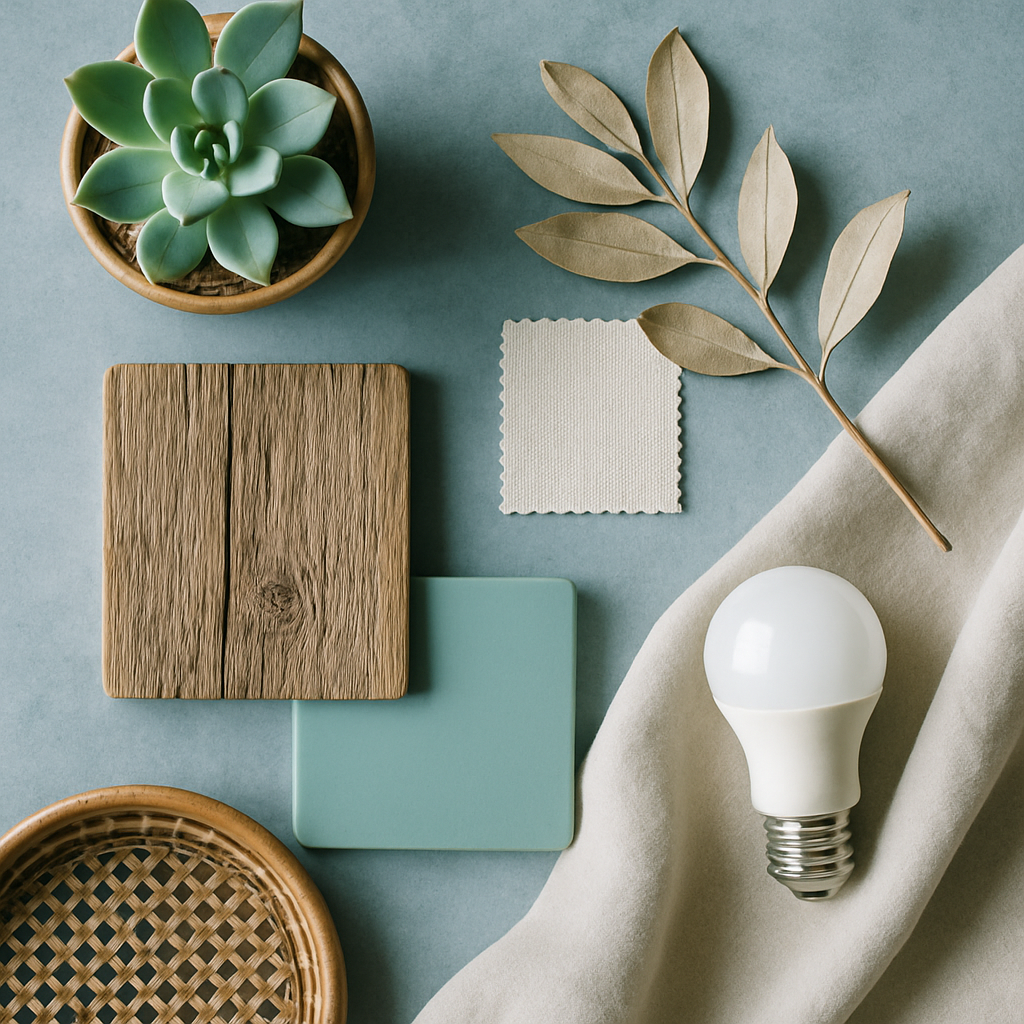
Sustainability in interior design has evolved from a niche concern into a core requirement for responsible homeownership. The American Society of Interior Designers (ASID) found in a recent membership survey that 86% of practicing designers now discuss environmental impact with clients during initial project scoping. This figure represents a dramatic shift from a decade ago, when green design was often treated as an optional add-on rather than a foundational consideration. The materials we choose for our homes affect indoor air quality, energy consumption, landfill volume, and the broader carbon cycle, which means every design decision carries environmental weight.
The financial case for sustainable design has strengthened considerably as well. Energy-efficient lighting, insulation upgrades, and low-flow fixtures reduce monthly utility costs by an average of 20 to 35 percent, according to data compiled by the International Interior Design Association (IIDA). Durable materials like solid hardwood, natural stone, and quality ceramic tile may cost more upfront but avoid the replacement cycle that cheaper alternatives demand every five to seven years. Over a decade, the sustainable option frequently proves less expensive in total cost of ownership.
What if the next renovation you undertake could reduce your household's carbon footprint while simultaneously creating a more beautiful living environment? That dual outcome is not only possible but increasingly straightforward to achieve, thanks to a growing ecosystem of sustainable materials, certified products, and knowledgeable designers.
Reclaimed and Salvaged Materials: Giving Old Resources New Life
Reclaimed materials carry a dual advantage: they prevent usable resources from entering landfills and they introduce character that new materials cannot replicate. Reclaimed barn wood, with its weathered patina and nail holes, creates accent walls and ceiling beams with a visual depth that demands years of natural aging. Salvaged architectural elements, such as vintage door hardware, antique light fixtures, and repurposed stained glass panels, inject historical narrative into contemporary spaces. Houzz marketplace data indicates that listings for reclaimed materials have grown by 55% over the past three years.
Sourcing reclaimed materials requires more effort than visiting a conventional building supply store, but dedicated salvage yards, architectural antique dealers, and online marketplaces have made the process significantly easier. Many metropolitan areas now host periodic salvage sales at demolition sites where homeowners can purchase doors, flooring, brick, and fixtures at a fraction of retail cost. Designers affiliated with the NCIDQ often maintain networks of trusted salvage contacts and can locate specific materials efficiently.
Quality assessment is critical when working with reclaimed materials. Wood should be inspected for structural integrity, insect damage, and embedded fasteners that could damage saw blades. Vintage electrical fixtures require rewiring to meet current safety codes. Salvaged stone and tile need evaluation for consistent thickness to ensure proper installation. These extra steps are worthwhile because the resulting aesthetic and environmental benefits exceed what any manufactured product can deliver, and the stories embedded in reclaimed materials give rooms a sense of provenance that resonates with visitors.
Low-VOC and Non-Toxic Finishes: Protecting Indoor Air Quality
Volatile organic compounds, commonly called VOCs, off-gas from conventional paints, stains, adhesives, and sealants for months or even years after application. These chemicals contribute to headaches, respiratory irritation, and long-term health risks that most homeowners never connect to their recent renovation. The shift toward low-VOC and zero-VOC products has accelerated as awareness grows, with AD PRO reporting that over 70% of specifying designers now default to low-VOC options for all residential projects.
Low-VOC paints have improved dramatically in performance over the past five years. Early formulations were criticized for poor coverage, limited color range, and reduced durability compared to conventional options. Current products from major manufacturers match or exceed the performance of their traditional counterparts in every measurable category. Coverage typically requires the same number of coats, color matching capabilities are identical, and scrub resistance meets or exceeds industry standards. The price premium has narrowed to approximately 10 to 15 percent, a gap that most homeowners consider negligible given the health benefits.
Beyond paint, sustainable finishes extend to wood treatments, floor sealants, and adhesives. Natural oil finishes for hardwood floors, made from linseed, tung, or hemp oil, penetrate the wood grain rather than sitting on top as polyurethane does. The result is a more natural appearance that is easier to repair locally without sanding and refinishing an entire floor. Water-based adhesives for tile and wallpaper eliminate the harsh chemical odors associated with solvent-based products. How many hours each day does your family spend indoors? For most households, the answer exceeds 18 hours, making indoor air quality a health priority that sustainable finishes directly address.
Energy-Efficient Lighting and Climate Control
Lighting accounts for approximately 15% of a typical home's electricity consumption, making it one of the easiest categories to optimize for both sustainability and design impact. LED technology has advanced to the point where bulbs are available in a full spectrum of color temperatures, from the warm amber of incandescent bulbs to the cool daylight preferred for task lighting. Smart LED systems allow color temperature to shift throughout the day, supporting circadian rhythms while minimizing energy draw. The ASID has endorsed circadian-responsive lighting as a best practice for residential design.
Layered lighting design, combining ambient, task, and accent sources, reduces overall energy consumption because it allows homeowners to illuminate only the zones they are actively using. A kitchen does not need every fixture burning during a late-night snack; a single pendant over the island suffices. Living rooms benefit from dimmable circuits that can transition from bright socializing levels to soft evening ambiance at the turn of a knob. Each layer should be independently controlled, and timer or sensor-based automation ensures lights are never left burning in empty rooms.
Climate control offers similar optimization potential. Smart thermostats learn household patterns and adjust heating and cooling schedules automatically, reducing HVAC energy consumption by an average of 23% according to IIDA-cited studies. Cellular shades and thermal curtains provide insulation at window openings, which are typically the weakest points in a home's thermal envelope. Ceiling fans with reversible motors supplement HVAC systems by circulating warm air downward in winter and creating cooling airflow in summer. These layered strategies work together to maintain comfort while significantly reducing the home's energy footprint.
Sustainable Textiles and Upholstery Choices
The textile industry is one of the largest contributors to global pollution, which means the fabrics chosen for upholstery, curtains, rugs, and bedding carry substantial environmental implications. Sustainable textile options have expanded enormously in recent years, offering alternatives that match conventional materials in durability, texture, and aesthetic range. Organic cotton, grown without synthetic pesticides or fertilizers, provides a soft hand feel suitable for bedding and light upholstery. Hemp fabric, which requires minimal water and no pesticides to cultivate, delivers exceptional durability for slipcovers and heavy-use applications.
Recycled polyester, made from post-consumer plastic bottles, has entered the high-end upholstery market with performance characteristics that rival virgin synthetic fabrics. This material diverts plastic from landfills and oceans while requiring 59% less energy to produce than new polyester, according to data referenced by the NCIDQ in their sustainable design curriculum. Wool, a naturally renewable fiber, provides inherent flame resistance, moisture regulation, and soil resistance that synthetic carpets achieve only through chemical treatments.
When selecting sustainable textiles, certifications provide reliable guidance. Global Organic Textile Standard (GOTS) certification ensures organic fiber content and responsible processing. OEKO-TEX Standard 100 verifies that finished textiles are free from harmful substances. Cradle to Cradle certification evaluates the entire lifecycle of a product, from material sourcing through end-of-life recyclability. Designers with IIDA membership often maintain curated libraries of certified textiles that streamline the selection process for clients who want sustainable options without spending weeks researching independently.
Furniture Longevity: Investing in Pieces That Last Decades
The most sustainable piece of furniture is the one you never need to replace. Fast furniture, the home goods equivalent of fast fashion, generates enormous waste through planned obsolescence and disposable construction. Particleboard frames, stapled joints, and thin veneers that chip at the slightest contact ensure that cheap sofas and tables end up in landfills within three to five years. The environmental cost of this cycle, measured in raw material extraction, manufacturing emissions, transportation fuel, and landfill volume, dwarfs the modest upfront savings.
Investing in well-built furniture reverses this equation. A solid hardwood dining table with mortise-and-tenon joinery can serve a family for generations, developing a rich patina that enhances its beauty over time. A sofa with a kiln-dried hardwood frame, eight-way hand-tied springs, and high-resilience foam wrapped in down will maintain its comfort and structure for 15 to 25 years. The per-year cost of a $4,000 quality sofa used for 20 years is $200, substantially less than a $1,000 disposable sofa replaced every four years at $250 per year, not counting the environmental externalities.
Houzz community surveys consistently show that homeowners who invest in fewer, higher-quality pieces report greater satisfaction with their spaces than those who furnish rooms quickly with budget alternatives. The discipline of saving for meaningful pieces also encourages more thoughtful design decisions overall. Have you calculated the total cost of all the furniture you have replaced in the past decade? That figure often surprises homeowners and motivates a shift toward quality-first purchasing that benefits both their homes and the environment.
Working with a Sustainability-Focused Designer
Navigating the landscape of sustainable materials, certifications, and suppliers can overwhelm homeowners who attempt it independently. This is where a designer specializing in sustainable interiors provides outsized value. These professionals maintain relationships with vetted suppliers, understand the performance characteristics of green materials in real-world applications, and can identify opportunities for environmental improvement that non-specialists miss. The ASID maintains a directory of members with sustainability credentials, and the NCIDQ examination includes substantial content on environmental responsibility.
A sustainability-focused designer will typically conduct an audit of your existing home as the first step, identifying areas where simple changes yield significant environmental gains. Replacing incandescent bulbs with LEDs, sealing air leaks around windows and doors, and switching to low-flow faucet aerators are low-cost interventions that a designer can recommend and oversee in a single visit. Larger projects, such as specifying reclaimed materials for a kitchen renovation or sourcing certified textiles for a whole-home upholstery refresh, benefit from the designer's sourcing network and technical knowledge.
Fees for sustainability-focused designers align with general interior design rates, typically $150 to $500 per hour or a percentage of the project budget. AD PRO has noted that sustainable design projects often come in at comparable or lower total costs than conventional projects because the emphasis on durability and quality reduces waste and rework. The designer's expertise also prevents costly mistakes, such as specifying a reclaimed wood species that warps in humid climates or choosing a natural finish that cannot withstand kitchen-level wear. The return on investment, measured in environmental impact, health benefits, and long-term cost savings, makes professional guidance a sound decision for any homeowner committed to greener living.
Conclusion
Sustainable interior design is no longer a compromise between environmental responsibility and aesthetic ambition. The materials, technologies, and design strategies available today allow homeowners to create spaces that are simultaneously beautiful, healthy, and gentle on the planet. From reclaimed wood that carries the character of previous lives, to low-VOC finishes that protect the air your family breathes, to furniture built to last for generations, every choice contributes to a home that reflects both personal taste and planetary stewardship.
The path toward a greener home does not require a single dramatic overhaul. It can unfold incrementally, room by room, decision by decision. Replace products as they reach end of life with sustainable alternatives. Prioritize the rooms where your family spends the most time for initial improvements. Track your utility bills to measure the financial returns of energy-efficient upgrades. These small, consistent steps accumulate into meaningful environmental impact over months and years.
Consider scheduling a consultation with a sustainability-credentialed designer through the ASID or IIDA referral networks. Bring a list of your priorities, your budget parameters, and photographs of the spaces you want to improve. That single conversation can crystallize a multi-year plan that transforms your home into a model of sustainable living, one thoughtful material choice at a time.



Comments
Post a Comment