How to Incorporate Sustainable Elements into Modern Interior Design
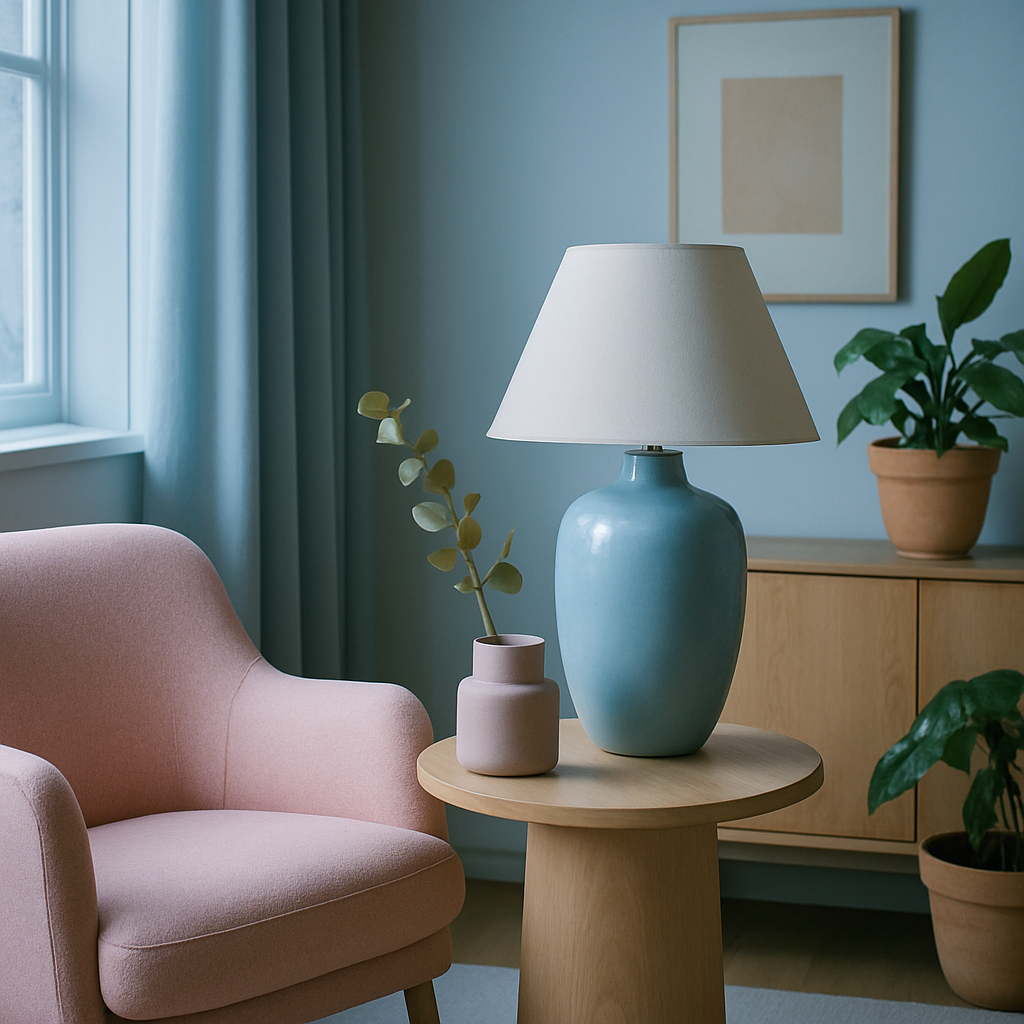
Imagine transforming your living space into an eco-friendly haven without sacrificing style or comfort. According to a 2023 Houzz survey, 70% of homeowners prioritized sustainability in their home renovations, reflecting a growing trend towards eco-conscious living. As the demand for sustainable interior design rises, understanding how to incorporate these elements into your modern home is crucial. In this article, we'll explore foundational concepts of sustainable design, delve into data-driven insights, and provide actionable strategies and expert advice to help you create a chic, environmentally friendly space.
Understanding the Basics of Sustainable Interior Design
Sustainable interior design is not just about using eco-friendly materials; it encompasses a holistic approach that considers the environmental impact of every design decision. Central to this concept is the use of materials that are renewable, recyclable, or have a minimal carbon footprint. Reclaimed wood, bamboo, and recycled metal are popular choices that offer both sustainability and aesthetic appeal. These materials not only reduce waste but also enhance the natural beauty of your interiors.
An essential aspect of sustainable design is energy efficiency. This includes optimizing natural light, using LED lighting, and integrating smart home technology to manage energy consumption. Smart thermostats, automated window treatments, and energy-efficient appliances help reduce energy bills while creating a comfortable living environment. By considering how light and air flow through your home, you can significantly decrease reliance on artificial lighting and climate control.
Water conservation is another critical component. Low-flow faucets, dual-flush toilets, and drought-resistant landscaping are practical solutions that conserve water without compromising functionality. The integration of these elements not only contributes to sustainability but also aligns with modern design aesthetics, offering sleek, minimalist solutions that cater to contemporary tastes. As we delve deeper, we'll examine the data supporting these practices.
The Data Behind Sustainable Design Choices
Industry research underscores the benefits of sustainable design, both environmentally and economically. According to the American Society of Interior Designers (ASID), homes incorporating sustainable practices can boost resale values by 5-15%, a compelling incentive for homeowners. This increase is attributed to reduced operating costs and the growing market appeal of eco-friendly homes. Such data points emphasize the financial sense of sustainability.
Moreover, the Environmental Protection Agency (EPA) reports that American households waste approximately 180 gallons of water per week due to leaks alone. Implementing water-saving fixtures can drastically reduce this waste, contributing to significant savings on utility bills. By choosing fixtures and designs that minimize water usage, homeowners can play a part in addressing broader environmental challenges such as water scarcity.
Houzz data reveals that nearly 80% of homeowners who incorporated sustainable elements into their renovations reported higher satisfaction with their living spaces. This satisfaction stems from a combination of aesthetics, cost savings, and the peace of mind that comes from contributing to environmental preservation. Next, we'll explore how you can implement these sustainable practices in your own home with actionable strategies.
Actionable Strategies for Sustainable Design
To begin incorporating sustainable elements into your home, start with a comprehensive assessment of your current space. Identify areas where sustainable improvements are most needed, such as replacing outdated appliances or enhancing natural light. Consider mapping out how you use each room to determine where energy efficiencies can be maximized. This strategic approach ensures that each design decision contributes to overall sustainability.
Next, focus on selecting materials that are both durable and sustainable. For flooring, consider options like cork or reclaimed wood, which offer longevity and a reduced environmental impact. When choosing textiles for furniture and window treatments, opt for organic cotton, wool, or linen. These materials are not only sustainable but also offer a luxurious feel that enhances modern interior design.
Lighting is another crucial aspect. Transition to LED lighting throughout your home, and explore smart lighting systems that allow you to control brightness and energy use with ease. Additionally, incorporating large windows or skylights can maximize natural light, reducing the need for artificial lighting during the day. As we move forward, we'll delve into some expert insights on sustainable design.
Expert Insights on Sustainable Design Practices
Experienced professionals often note that successful sustainable design requires a balance between aesthetic appeal and environmental impact. Certified interior designers with credentials like NCIDQ (National Council for Interior Design Qualification) emphasize the importance of integrating sustainability from the project's onset. This ensures that eco-friendly practices are woven into the very fabric of the design concept rather than being an afterthought.
According to the International Interior Design Association (IIDA), incorporating local materials not only supports regional economies but also reduces transportation emissions, adding another layer of sustainability to your design. For example, sourcing stone or wood from local suppliers can significantly diminish the carbon footprint of your project. This practice also imbues spaces with unique characteristics that reflect regional aesthetics.
Another expert recommendation is to embrace biophilic design, which emphasizes the connection between indoor spaces and nature. This can be achieved through indoor plants, living walls, or materials that mimic natural textures and patterns. Such elements not only enhance air quality but also promote well-being by creating a calming, nature-inspired environment. As we continue, we'll explore additional depth in sustainable design.
Delving Deeper into Sustainable Design Elements
Beyond basic strategies, incorporating advanced sustainable design elements can elevate your project's environmental impact. Consider the use of smart home technology to optimize energy and resource management. Smart thermostats and automated systems can adjust settings based on your daily routines, ensuring efficient energy use without compromising comfort. These technologies are a hallmark of modern, sustainable homes.
Additionally, sustainable design now extends to furniture and decor choices. Look for pieces made from recycled materials or those certified by organizations like the Forest Stewardship Council (FSC), which ensures responsible forest management. Vintage or upcycled furniture is another excellent option, offering character and sustainability simultaneously. These choices reflect a commitment to reducing waste and promoting a circular economy.
Finally, consider the role of sustainability in color and material choice. Low-VOC (volatile organic compounds) paints and finishes are essential for maintaining healthy indoor air quality. Natural color palettes inspired by earth tones and plant life can create a harmonious, eco-friendly atmosphere that resonates with the principles of sustainability. As we wrap up, we'll consider the broader implications of these practices.
The Broader Impact of Sustainable Design
Embracing sustainable interior design has far-reaching effects beyond aesthetics and cost savings. It contributes to a global movement towards environmental responsibility and can significantly reduce your ecological footprint. By prioritizing sustainability, you are not only enhancing your home's value and appeal but also taking a stand for the planet. This commitment to eco-friendly practices reflects a broader societal shift towards sustainable living.
As you incorporate these elements into your design, consider how your choices influence your community and future generations. Sustainable design is a powerful tool for change, offering a path to a greener, more conscientious lifestyle. How can your home reflect your values and inspire others to consider sustainability in their own spaces?
The journey towards sustainable interior design is ongoing, with new technologies and materials constantly emerging. Staying informed and adaptable is key to maintaining a sustainable and stylish home. As we conclude, let's consider how you can take the next steps in your sustainable design journey.
Conclusion: Taking Action Towards Sustainable Design
Incorporating sustainable elements into modern interior design is an impactful way to enhance your living space while supporting environmental conservation. By understanding foundational concepts, analyzing data, and applying expert strategies, you can create a home that is both beautiful and sustainable. Remember, every choice you make can contribute to a healthier planet.
Are you ready to transform your home with sustainable design? Start by browsing portfolios on Houzz or consulting with a certified interior designer from the ASID directory. Even 20 minutes of research can sharpen your eye for what aligns with your vision. With each informed decision, you're investing in a future where style and sustainability coexist harmoniously.



Comments
Post a Comment