How to Incorporate Bauhaus Interior Design into Contemporary Living Rooms
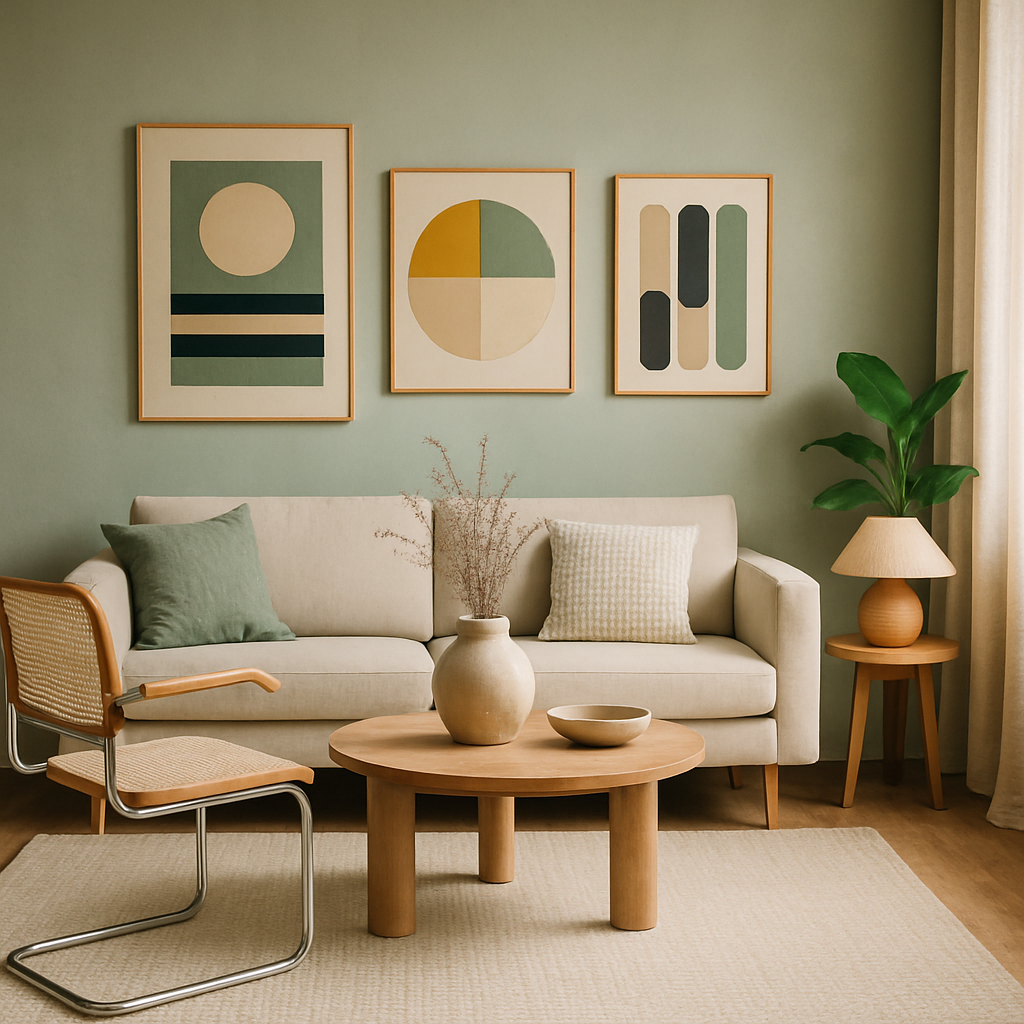
Imagine stepping into a living room where every element has a purpose, the form follows function, and aesthetic simplicity reigns supreme. This is the essence of Bauhaus interior design, a style born from the German art school known for revolutionizing the way we perceive space and objects. According to a recent survey by Houzz, simplicity and functionality are top priorities for today's homeowners, with 60% seeking minimalist design in their living spaces. In this article, we will explore how to seamlessly integrate Bauhaus principles into contemporary living rooms, providing a roadmap that includes foundational concepts, data-driven insights, actionable strategies, expert-level details, and concluding perspectives. Whether you're a seasoned interior designer or a homeowner with a keen eye for design, understanding Bauhaus can transform your living space into a masterpiece of modernity.
Understanding Bauhaus: The Foundational Concepts
The Bauhaus movement, established in the early 20th century, was a revolutionary approach to design that merged art with industrial craftsmanship. At its core, Bauhaus emphasizes simplicity, functionality, and the unity of art and technology. This design philosophy advocates for the elimination of unnecessary details, focusing instead on clean lines and geometric shapes. For a contemporary living room, this means selecting furniture and decor that prioritize utility without sacrificing aesthetics. The iconic Wassily Chair, designed by Marcel Breuer, exemplifies this principle with its sleek, tubular steel frame and minimalistic form.
To incorporate Bauhaus into your living room, consider the materials you choose. Traditional Bauhaus design favors industrial materials such as steel, glass, and concrete. These materials can be seamlessly integrated into contemporary spaces through elements like glass-top coffee tables or exposed steel beams. The use of these materials not only pays homage to Bauhaus but also aligns with current trends of industrial chic and urban loft aesthetics. For those new to this design approach, starting with small, bold pieces can gradually introduce the Bauhaus style into your living environment.
Color is another essential component of Bauhaus design. The movement traditionally employs a palette of primary colors-red, blue, and yellow-against neutral backdrops. In a modern context, these colors can be used as accents through cushions, throws, or artwork, offering vibrant pops against more subdued backgrounds. This approach not only maintains the spirit of Bauhaus but also infuses a sense of playfulness and dynamism into contemporary spaces. Transitioning from foundational concepts, we will delve into how data and trends support the integration of Bauhaus into today's living rooms.
The Data-Driven Case for Bauhaus in Modern Living Rooms
Contemporary design trends are increasingly leaning towards minimalism and functionality, making Bauhaus principles more relevant than ever. According to the American Society of Interior Designers (ASID), 72% of design professionals report that clients are prioritizing functionality over form-a core tenet of Bauhaus. This shift reflects a broader movement towards spaces that are not only visually appealing but also practical and efficient. By focusing on multi-functional furniture and open floor plans, you can create a living room that is both stylish and pragmatic.
Another compelling reason to incorporate Bauhaus into your living room is the potential increase in property value. Industry surveys suggest that well-designed interiors can boost home resale values by 5-15%. The timeless appeal of Bauhaus design, with its emphasis on clean lines and functional spaces, can make a property more attractive to potential buyers. This is particularly relevant in competitive real estate markets where unique, well-designed spaces stand out.
Data from Houzz indicates that homeowners are spending between $5,000 and $15,000 on single-room redesigns, with satisfaction rates significantly higher for those who prioritize cohesive design themes. By integrating Bauhaus elements, homeowners can achieve a harmonious balance between form and function, leading to both personal satisfaction and potential financial gain. Next, we'll explore actionable strategies for bringing Bauhaus into your living room with ease.
Actionable Strategies for Integrating Bauhaus Elements
To successfully incorporate Bauhaus interior design into your living room, start by evaluating your existing furniture and decor. Identify pieces that align with Bauhaus principles-those with clean lines, functional forms, and a lack of ornate detailing. Consider replacing overly decorative items with more streamlined alternatives, such as a minimalist media console or a geometric area rug. This initial decluttering phase is crucial for setting the foundation for a Bauhaus-inspired space.
Lighting plays a pivotal role in Bauhaus design, where function and form are intertwined. Opt for fixtures that are both practical and sculptural, such as adjustable floor lamps with exposed bulbs or pendant lights with clear glass shades. These lighting choices not only illuminate your space effectively but also serve as design focal points. For homeowners interested in smart home integration, consider automated lighting systems that complement the Bauhaus ethic of efficiency and innovation.
Art and accessories should be chosen carefully to enhance the Bauhaus aesthetic without overwhelming it. Look for pieces that feature geometric patterns or primary colors, and position them strategically to draw the eye without cluttering the space. A well-placed abstract painting or a set of Bauhaus-inspired prints can serve as conversation starters and reinforce the design theme. As we move forward, we'll delve into expert-level details that can elevate your design approach to Bauhaus living rooms.
Expert-Level Details for Elevating Bauhaus Design
Experienced professionals often note that the key to mastering Bauhaus design lies in the thoughtful selection of materials and textures. While the movement is known for its industrial materials, incorporating softer textures such as wool or leather can add warmth and comfort to a living room. A leather sofa paired with a woven wool rug can create a cozy yet modern environment that stays true to Bauhaus principles. This balance between hard and soft elements is crucial for achieving a livable space.
When considering layout, focus on open spaces and clear pathways. The Bauhaus philosophy advocates for uncluttered environments that facilitate movement and interaction. Arrange your furniture to encourage conversation and connectivity, using modular sofas or sectional pieces to define areas without creating barriers. The strategic placement of furniture not only enhances functionality but also contributes to the overall aesthetic harmony of the room.
For those seeking to delve deeper into Bauhaus design, consider consulting with certified interior designers who hold credentials such as NCIDQ (National Council for Interior Design Qualification) or ASID. These professionals can provide tailored advice and innovative solutions that reflect both your personal style and the timeless principles of Bauhaus. Next, we'll explore additional depth on the subject, including how emerging trends can be integrated with Bauhaus design.
Additional Depth: Integrating Emerging Trends with Bauhaus
As we look towards the future, several design trends can be harmoniously integrated with Bauhaus principles to create truly contemporary living spaces. For instance, biophilic design, which incorporates natural elements like plants and natural light, can be paired with Bauhaus's sleek lines to enhance a sense of calm and connection with nature. Consider adding a living wall or large indoor plants to introduce organic forms into your otherwise geometric space.
The trend of quiet luxury, characterized by understated elegance and high-quality materials, aligns well with Bauhaus's focus on simplicity and functionality. Choose furnishings that are not only beautiful but also durable and timeless. Investing in high-quality materials like oak or walnut can add a touch of quiet sophistication to your living room, ensuring that your space remains stylish for years to come.
Finally, the integration of smart home technology can complement Bauhaus design by enhancing functionality and efficiency. Automated window treatments, climate control systems, and lighting can be seamlessly incorporated into a Bauhaus-inspired living room, offering modern convenience without compromising on style. As we wrap up, we'll provide final perspectives on the enduring appeal of Bauhaus design.
Final Perspectives on Bauhaus's Enduring Appeal
Bauhaus interior design continues to captivate and inspire, thanks to its timeless principles and adaptability to modern living. Its emphasis on functionality, simplicity, and the integration of art and technology resonates with contemporary design sensibilities, making it a perfect fit for today's living rooms. The movement's ability to evolve and incorporate new trends ensures its relevance in an ever-changing design landscape.
Whether you're starting from scratch or seeking to refresh an existing space, incorporating Bauhaus elements can elevate your living room into a sleek and sophisticated sanctuary. By embracing the movement's core principles and integrating them with current trends, you can create a living room that is both aesthetically pleasing and highly functional. As you embark on this design journey, consider how each choice reflects and enhances the essence of Bauhaus.
Are you ready to transform your living room with Bauhaus design? By understanding its core concepts and applying them thoughtfully, you can create a space that truly reflects the ethos of this iconic movement. In the conclusion, we'll summarize the key takeaways and provide a clear call to action.
Conclusion: Embrace Bauhaus in Your Living Room
Incorporating Bauhaus interior design into contemporary living rooms offers a unique opportunity to blend historical significance with modern functionality. By focusing on simplicity, functionality, and the thoughtful integration of materials and technology, you can create a living room that stands the test of time. We've explored foundational concepts, analyzed data-driven insights, offered actionable strategies, and provided expert details to guide you in this design endeavor.
As you reflect on your living room's potential, consider starting by browsing portfolios on platforms like Houzz or Instagram, where you'll find inspiration and examples of Bauhaus designs in action. Even dedicating just 20 minutes of research each week can sharpen your eye for design and help you make informed choices. Are you ready to transform your living room into a Bauhaus masterpiece? Start today and watch your space evolve into a harmonious blend of form and function.



Comments
Post a Comment