How to Find Top-Rated Interior Designers Near You in 2023
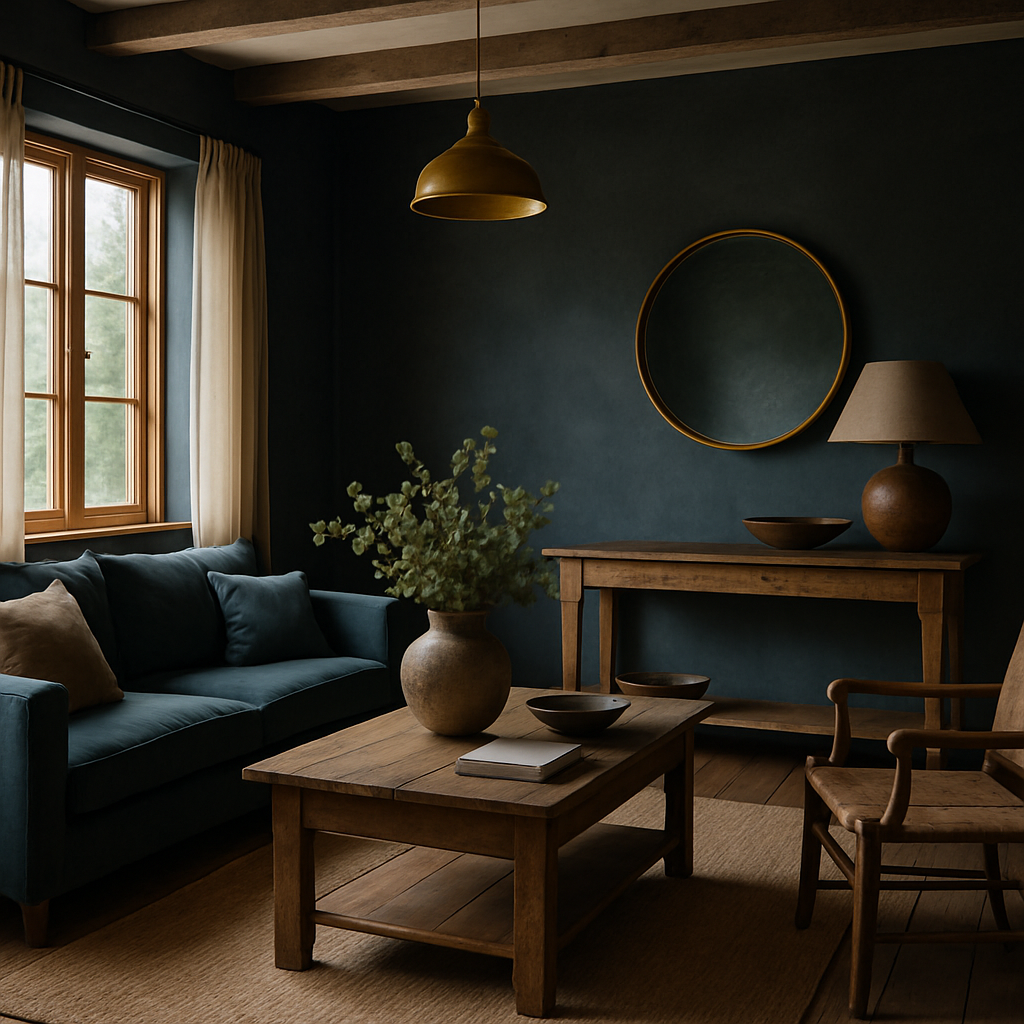
Have you ever walked into a friend's home and felt instantly envious of the impeccable design? You're not alone. According to the American Society of Interior Designers (ASID), 71% of homeowners believe that well-designed interiors increase their home's appeal and even its resale value by 5-15%. But how do you find a top-rated interior designer who can bring that level of sophistication to your own space? In this guide, we'll explore foundational concepts in hiring an interior designer, delve into industry data, provide actionable strategies for finding the best local talent, and offer expert-level insights to ensure your design project is a success.
Understanding the Role of Interior Designers
Before you begin your search, it's essential to understand what an interior designer does. Unlike decorators who focus primarily on aesthetics, certified interior designers are involved in creating functional and safe interior environments that adhere to building codes and regulations. These professionals often hold credentials like the NCIDQ (National Council for Interior Design Qualification), which signifies they've met the industry's rigorous standards. Understanding this distinction can help you identify the right professional for your project.
The process typically starts with concept development, where designers assess your needs and preferences to create a preliminary vision. This phase is crucial because it sets the tone for the entire project. Experienced professionals often note that a clear concept not only guides the design but also ensures that the project stays within budget and timeline constraints. Knowing this can save you time and money in the long run.
Then comes the design presentation, procurement, installation, and styling phases. Each step requires meticulous attention to detail and coordination among various trades. By grasping these phases, you can better communicate with your designer and set realistic expectations for the project's progression. This foundational knowledge serves as a springboard for deeper analysis and strategy development in your quest to find top-rated design talent.
Analyzing Industry Data and Trends
When searching for top-rated interior designers, industry data can offer invaluable insights. According to Houzz's annual survey, the average homeowner spends between $5,000 and $15,000 on a single-room redesign, while full-home projects can range from $50,000 to $150,000 or more. These figures highlight the financial commitment involved and underscore the importance of choosing a designer who can deliver value.
In 2023, several design trends are capturing attention. Biophilic design, which emphasizes natural materials and indoor-outdoor flow, is particularly popular. Quiet luxury, characterized by understated elegance, is also gaining traction. These trends not only reflect current aesthetic preferences but also influence how designers approach projects. For example, a designer well-versed in these trends can incorporate sustainable and reclaimed materials or smart home integration to enhance both style and functionality.
It's also worth noting that platforms like Instagram and Pinterest are increasingly used by designers to showcase their portfolios. According to industry surveys, 87% of designers now use social media to connect with potential clients. By analyzing these online portfolios, you can get a sense of a designer's style and versatility, which is critical when making your selection. With these insights in hand, you're better equipped to make informed decisions.
Actionable Strategies to Find Local Designers
Ready to start your search for top-rated interior designers near you? Begin by leveraging professional organizations. The ASID and the International Interior Design Association (IIDA) offer directories of certified designers in your area. These resources are invaluable for confirming credentials and ensuring you're hiring a qualified professional. But how do you narrow down the list to find the best fit for your project?
One effective strategy is to seek recommendations from friends and family who have recently completed design projects. Hearing firsthand about their experiences, both positive and negative, can provide unique insights that online reviews might miss. When gathering recommendations, ask specific questions about the designer's communication style, adherence to budget, and project satisfaction. This will help you gauge compatibility beyond just the designer's portfolio.
Additionally, consider scheduling initial consultations with multiple designers. Many offer a free or low-cost meeting to discuss your project goals and budget. Use these meetings to ask pointed questions about their design process, fee structures, and timelines. Comparing these interactions can illuminate differences in their approach and help you identify the designer whose style and methodology align most closely with your vision. With these strategies, you're well on your way to finding the perfect match.
Expert-Level Insights for Evaluating Designers
Evaluating potential designers goes beyond reviewing portfolios and assessing credentials. Experienced professionals often advise clients to dig deeper into a designer's past projects. Look for case studies that detail challenges faced and solutions implemented. This can reveal a designer's problem-solving ability and adaptability, which are crucial during unforeseen project hiccups.
Another expert insight is to examine how designers incorporate cutting-edge technology into their workflow. Many top-rated designers now use AR/VR tools for room visualization. These tools allow you to experience a virtual walkthrough of your redesigned space before any physical changes occur. This not only helps in fine-tuning design elements but also ensures that you and your designer share the same vision.
Finally, consider the designer's network of contractors and suppliers. A well-connected designer can facilitate smoother procurement and installation phases, potentially saving you both time and money. By leveraging their established relationships, you might gain access to exclusive materials or receive expedited services. These expert-level considerations can significantly impact the outcome of your project, leading to a more seamless and satisfying experience.
Additional Considerations for Your Design Journey
As you embark on your search, it's essential to keep additional factors in mind. Budget transparency is crucial. Be upfront about your financial constraints and ensure the designer provides clear estimates and timelines. This transparency fosters trust and sets a positive tone for the collaboration. Have you considered how your lifestyle might influence design choices? Discussing daily routines with your designer can lead to personalized solutions that enhance your living experience.
Another consideration is understanding the designer's fee structure. Interior designers typically charge a flat fee, an hourly rate ranging from $150 to $500, a percentage of the total project cost, or procurement markups on furniture. Knowing how these fees align with your budget can prevent misunderstandings down the road. Choose a fee structure that suits your financial situation and project scope.
Finally, be open to your designer's expertise. While you may have a vision, designers bring a wealth of knowledge and creativity that can elevate your project beyond initial expectations. Trust their recommendations, especially regarding materials and layout. With these additional considerations, you're equipped to navigate your design journey with confidence.
Concluding Thoughts on Finding Top Designers
Finding top-rated interior designers near you in 2023 is a multifaceted process that requires a blend of research, strategy, and trust. By understanding the role of interior designers, analyzing industry data, and applying actionable strategies, you're well-prepared to embark on this exciting journey. Expert-level insights further refine your approach, ensuring that you choose a designer who aligns with your vision and budget.
Are you ready to transform your space with the help of a top-rated interior designer? Start by browsing designer portfolios on platforms like Instagram and Houzz this week. Even 20 minutes of research will sharpen your eye for what you want. Armed with the insights from this article, you're poised to make an informed decision that will enhance your living space and perhaps even your home's value.


Comments
Post a Comment