How to Find the Perfect Local Interior Design Firm for Your Style
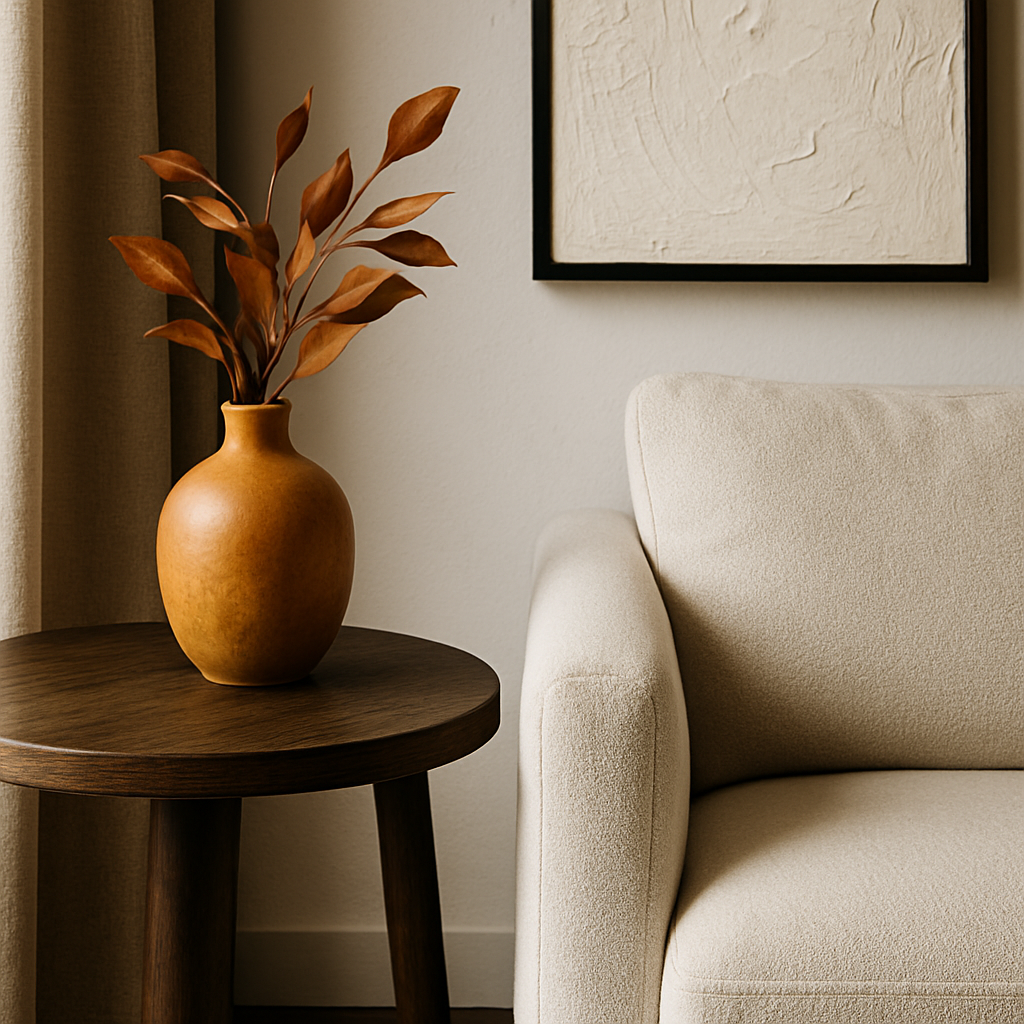
Imagine walking into a room that perfectly reflects your personality, with every detail meticulously curated to suit your style. Achieving this dream can feel daunting, especially when choosing the right interior design firm. According to Houzz, a leading platform for home renovation and design, homeowners spend an average of $5,000 to $15,000 on a single room redesign. So, how do you ensure that your investment results in a space that feels uniquely yours? This article will guide you through the essential steps to identify the perfect local interior design firm tailored to your style preferences. We will explore foundational concepts, delve into data-driven insights, and provide actionable strategies to make your search fruitful.
Understanding Your Design Preferences and Needs
Before you embark on the journey to find a local interior design firm, it's crucial to understand your design preferences and functional needs. Start by assessing the spaces in your home that require attention. Consider how you currently use each room and what elements you'd like to change. Are you drawn to the clean lines and natural materials of Japandi design, or do you prefer the opulent textures of quiet luxury? Knowing your style preferences will help narrow down firms that specialize in your desired aesthetic.
Next, evaluate the scope of your project. Are you looking for a simple room refresh, or do you need a full-home redesign? Understanding the scale of your project will help you determine your budget. According to industry experts, well-designed interiors can enhance your home's resale value by 5-15%. This potential return on investment should be considered when planning your budget and selecting a design firm.
Finally, identify any specific needs or challenges your space presents. Do you require smart home integration, or are you interested in incorporating sustainable and reclaimed materials? These considerations will further refine your search for a design firm that aligns with your values and technical requirements. With a clear understanding of your needs, you can more effectively communicate with potential designers.
Researching and Evaluating Local Interior Design Firms
Once you have a clear idea of your preferences, it's time to research local interior design firms. Begin by exploring platforms like Houzz and Instagram, where many designers showcase their portfolios. Pay attention to the styles and projects that resonate with you, and note any firms whose work consistently aligns with your vision. You can also consult the American Society of Interior Designers (ASID) directory for a list of certified professionals in your area.
When evaluating potential firms, consider their credentials and experience. Certified interior designers often hold credentials such as NCIDQ (National Council for Interior Design Qualification), which ensures a high standard of expertise. Experienced professionals often note the importance of checking a designer's portfolio for diversity in projects, as this indicates adaptability and creativity. Additionally, look for testimonials or reviews from past clients to gauge satisfaction and reliability.
Another critical factor to assess is the firm's fee structure. Interior design firms typically charge by flat fee, hourly rate, or a percentage of the total project cost. Some may also include procurement markups on furniture. Understanding these fee structures will help you compare costs and determine which firm offers the best value for your budget. As you research, keep in mind that the most expensive option isn't always the best fit for your project.
Setting Up Initial Consultations
After narrowing down your list of potential firms, set up initial consultations to discuss your project in detail. These meetings are an opportunity to evaluate the firm's communication style and approach. Prepare a list of questions to ask during your consultations, such as their process for concept development, design presentation, procurement, installation, and styling. Getting a clear picture of their workflow will help you determine if their approach aligns with your expectations.
During the consultation, discuss your budget and timeline constraints openly. A reputable interior design firm will be transparent about their ability to work within your parameters and provide realistic estimates. It's also essential to ask about their use of technology, such as AR/VR room visualization tools, which can enhance the design process by offering a virtual preview of your space.
Finally, trust your instincts. Do you feel comfortable with the designer's style and communication? Are they receptive to your ideas and feedback? These consultations are as much about assessing the firm's fit with your project as they are about evaluating their expertise. A strong rapport with your designer will ensure a smoother collaboration and a more satisfying end result.
Leveraging Expert Insights and Industry Trends
Staying informed about current interior design trends can provide valuable context for your project. For example, biophilic design, which emphasizes natural materials and indoor-outdoor flow, is gaining popularity for its calming effects. Understanding such trends can help you make informed decisions about your design preferences and ensure your space feels fresh and contemporary.
Additionally, experienced professionals often emphasize the importance of sustainability in design. Incorporating reclaimed materials not only reduces environmental impact but also adds character and history to your space. When interviewing potential firms, inquire about their experience with sustainable design practices and whether they can source eco-friendly materials.
Another trend to consider is the integration of smart home technology. From automated lighting and climate control to advanced security systems, these features can enhance the functionality and convenience of your space. Discuss your interest in smart home integration with potential designers to ensure they have the expertise to incorporate these elements seamlessly.
Considering Long-term Collaboration and Support
When selecting an interior design firm, think beyond the initial project. Consider the potential for a long-term partnership, especially if you anticipate future design needs. A firm that offers ongoing support and maintenance services can be a valuable asset, providing assistance with seasonal updates, new furniture acquisitions, or additional renovations.
Evaluate the firm's customer service approach and post-project support. A firm committed to client satisfaction will offer follow-up services to address any concerns or adjustments needed after project completion. This level of service not only ensures a successful initial project but also builds trust for future collaborations.
Finally, assess the firm's ability to grow with your needs. If your lifestyle or design preferences evolve, a versatile design partner can adapt and continue to create spaces that reflect your changing tastes. This adaptability is particularly important for clients who plan to expand their homes or incorporate new technologies over time.
Finalizing Your Decision
Having gathered all necessary information, it's time to make your decision. Reflect on your interactions with each firm and how well they align with your design goals and values. Consider their expertise, portfolio, and communication style, as well as feedback from past clients.
Ultimately, the right interior design firm will not only understand your vision but also enhance it with their creativity and expertise. They will provide a balance of guidance and flexibility, allowing you to be an active participant in the design process. As you finalize your choice, ensure you're comfortable with the firm's contract terms and have a clear understanding of the project's next steps.
Remember, selecting an interior design firm is a significant commitment that can transform your living space and, by extension, your quality of life. Take your time to make a well-informed decision, and trust that the right partner will help bring your design dreams to reality.
Conclusion
Finding the perfect local interior design firm for your style is a meticulous process that requires clarity, research, and thoughtful evaluation. By understanding your design preferences and project scope, researching potential firms, and leveraging industry trends, you can make an informed decision that aligns with your vision and budget. Remember to trust your instincts and prioritize clear communication and compatibility with your design partner.
Are you ready to take the next step in your interior design journey? Start by browsing portfolios on platforms like Houzz and Instagram this week-even 20 minutes of research will sharpen your eye for what you want. With the right design firm, you can transform your space into a stunning reflection of your personal style.



Comments
Post a Comment