How to Find Expert Interior Designers Near Me for Your Dream Decor
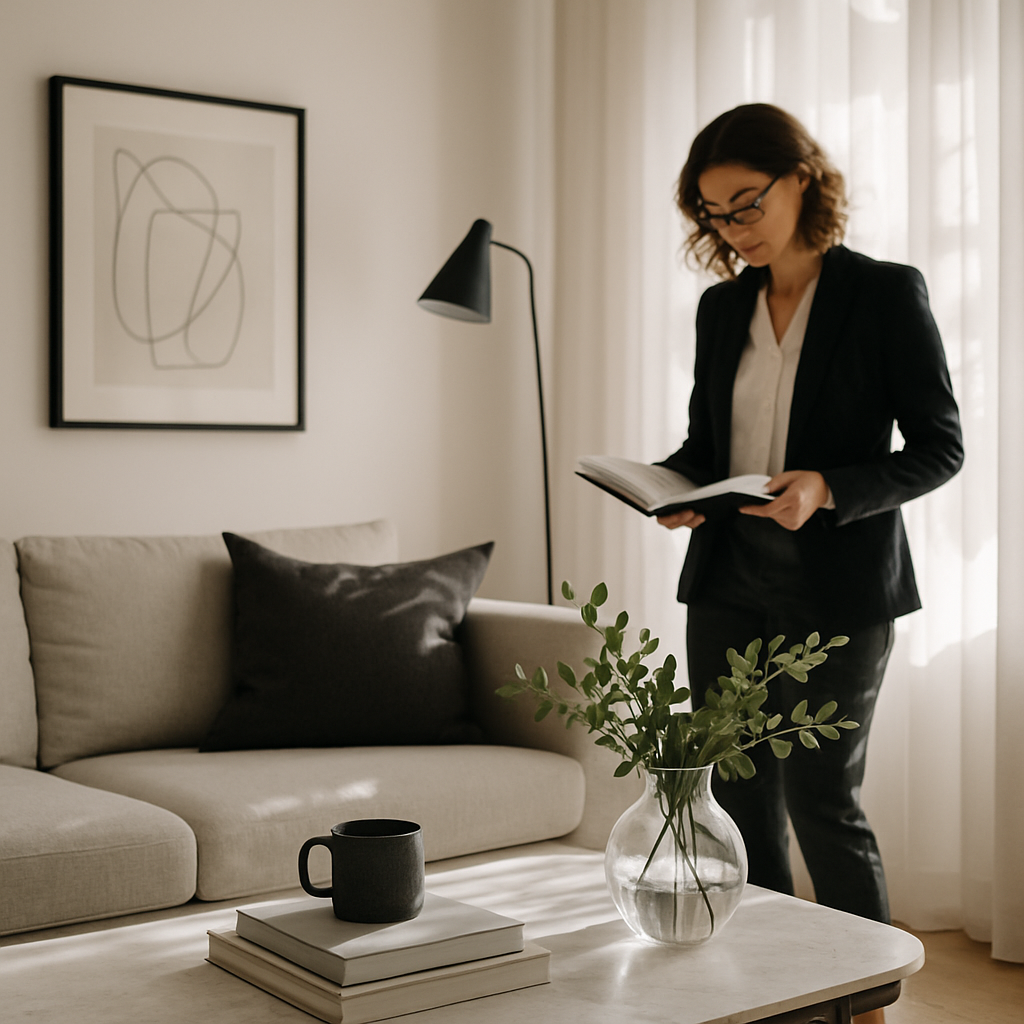
Imagine stepping into a living room that feels like a sanctuary, perfectly reflecting your style and needs. Yet, the journey to achieving this can often feel overwhelming. According to Houzz's annual survey, 77% of homeowners feel stressed about home renovation projects. If you're asking, "How do I find expert interior designers near me to transform my space?", you're not alone. This guide will walk you through the process of identifying and hiring the right professional for your project, from understanding credentials to evaluating portfolios and leveraging technology. Ready to create the environment of your dreams?
Understanding the Role of an Interior Designer
Before diving into how to find an interior designer, it's essential to understand what exactly they do. Interior designers are not just about aesthetics; they are trained professionals who understand the science behind spatial planning and functionality. Many possess certifications such as the NCIDQ (National Council for Interior Design Qualification), which is regarded as a gold-standard credential. This ensures they have the requisite education and experience to handle complex design challenges.
Interior designers differ from decorators in significant ways. While decorators focus primarily on surface appearances, certified designers delve into the architectural aspects of a space. They consider elements like safety codes, structural changes, and long-term sustainability, making them indispensable for significant renovation projects. This depth of expertise can be crucial, especially when projects involve structural changes or require compliance with local building codes.
Moreover, hiring a certified interior designer can enhance your property's resale value. Well-designed interiors can increase a home's value by 5-15%, according to industry consensus. This potential return on investment makes finding a qualified professional even more critical. Understanding these distinctions helps you appreciate the value and breadth of services a certified interior designer provides, setting the stage for finding the right expert for your needs.
Evaluating Credentials and Experience
When searching for "expert interior designers near me," consider credentials and experience as key factors. Reputable designers often hold certifications from organizations like the ASID (American Society of Interior Designers) or IIDA (International Interior Design Association). These affiliations indicate a commitment to professional standards and ongoing education in the field. Experienced professionals often note that credentials are a marker of reliability and skill, distinguishing serious practitioners from hobbyists.
In addition to certifications, examine a designer's portfolio to assess their style and versatility. Platforms like Houzz and Pinterest can be invaluable resources for this purpose. They allow you to review completed projects and client feedback, providing insights into a designer's capability to handle projects similar to yours. Don't hesitate to ask designers about their most challenging projects and how they overcame obstacles-this can reveal much about their problem-solving skills and creativity.
Lastly, consider the designer's experience with projects of your scale and type. Whether you're looking to redesign a single room or undertake a full-home renovation, the designer's past work should reflect their ability to manage similar scopes. Experience with local suppliers and contractors can also be a significant advantage, ensuring smoother project execution. These factors collectively help you narrow down potential candidates who are not only qualified but also well-suited to your specific requirements.
Strategizing Your Search for Local Experts
Finding the right interior designer starts with a strategic approach. Begin by leveraging online directories and local resources. Websites like Houzz and the ASID directory provide searchable databases of qualified interior designers, complete with reviews and project examples. These platforms are particularly useful for narrowing down candidates based on location, style, and specialties.
Networking can also play a crucial role in your search. Attend local art and design events or join online forums related to interior design. Engaging with communities like these can lead to personal recommendations and insights that aren't available online. Additionally, ask friends and family for referrals-word-of-mouth remains a powerful tool in finding trustworthy professionals.
Once you have a shortlist, schedule consultations with potential designers. This is your opportunity to discuss your vision, budget, and timeline. Pay attention to how they respond to your ideas and whether they offer creative solutions within your constraints. A designer's communication style and enthusiasm can significantly impact the success of your project. Are they listening to your needs? Do they ask insightful questions? These interactions are as important as their portfolio in determining the right fit.
Diving Into Project Phases: What to Expect
Understanding the typical phases of an interior design project can help set realistic expectations and timelines. Most projects begin with the concept development phase, where designers create initial sketches and mood boards based on your discussions. This phase is crucial as it establishes the design direction and ensures alignment with your vision.
Following concept development, the design presentation phase includes more detailed plans, color schemes, and material choices. This is often where clients see their ideas come to life in a tangible form. Many designers utilize AR/VR room visualization tools at this stage, allowing you to experience the proposed designs in a virtual space. This technology helps in fine-tuning details and making informed decisions.
The procurement and installation phases involve purchasing materials and overseeing the implementation of the design. Designers often manage these logistics, leveraging their relationships with suppliers to source quality materials, sometimes at discounted rates. Understanding these phases and the designer's role in each can help you appreciate the value they bring in terms of expertise and efficiency, leading seamlessly into discussions about budgeting and costs.
Budgeting and Fee Structures
When hiring an interior designer, understanding their fee structures is as critical as finding someone with the right aesthetic vision. Designers typically charge one of several ways: a flat fee, an hourly rate ranging from $150-$500, a percentage of the total project cost (usually 10-25%), or a combination of these. Each structure has its pros and cons, depending on the scope and nature of your project.
It's important to discuss your budget openly with potential designers. This conversation should cover all aspects of the project, including design fees, furniture and materials, and potential contingencies. The Houzz survey indicates that projects often exceed initial budgets by about 20%, so planning for this possibility is wise. A transparent discussion about costs can prevent misunderstandings and ensure that both parties have aligned expectations.
In addition to design fees, consider procurement markups, which are charges added to the purchase price of furniture and materials. These markups can range from 10% to 30% but often come with the benefit of access to exclusive trade discounts. Understanding these aspects of a designer's fee structure can help you make an informed decision, balancing cost with the value of expert guidance.
Final Considerations and Next Steps
As you conclude your search for "expert interior designers near me," remember that the relationship between you and your designer is a partnership. Effective communication and mutual respect are key to a successful project. Take the time to ensure that your chosen designer understands your needs and that you are comfortable with their approach.
Consider starting with a smaller project to test the waters. This can provide valuable insights into how the designer works and whether their style aligns with your vision. If the collaboration proves successful, you can proceed with larger projects with confidence. This step-by-step approach can minimize risk and build trust over time.
Ultimately, finding the right interior designer is about aligning your goals with their expertise. By considering credentials, experience, communication style, and fee structures, you can identify a professional who will transform your space into a reflection of your personality and lifestyle.
Conclusion: Begin Your Design Journey Today
Embarking on a home design project can be both exhilarating and daunting. By following the strategies outlined here, you can confidently navigate the process of finding expert interior designers near you. From evaluating credentials to understanding project phases and budgeting, you now have the tools to make informed decisions. Are you ready to take the next step?
Start by browsing portfolios on platforms like Houzz and ASID this week. Even dedicating just 20 minutes to research can sharpen your eye for what you want and help you identify the perfect designer to bring your vision to life. With the right preparation and professional guidance, your dream decor is within reach.



Comments
Post a Comment