How to Elevate Your Minecraft Space: Trendy Interior Design Tips
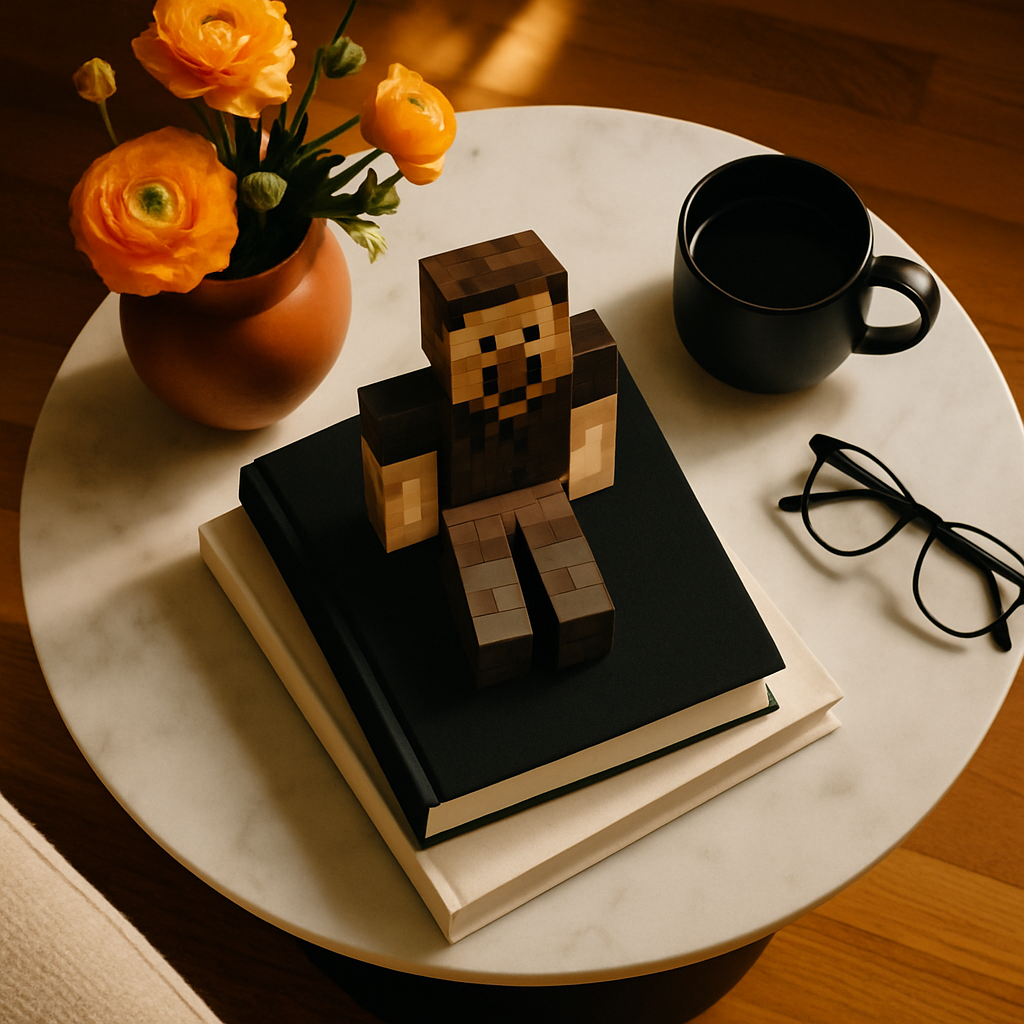
With over 140 million active players, Minecraft is more than just a game; it's a canvas for creativity and a testbed for aspiring designers. Have you ever wondered how you can transform your Minecraft space from a basic build into something truly spectacular? Leveraging interior design principles can take your virtual creations to new heights. This article will guide you through the process of applying real-world design trends to your Minecraft builds, from foundational concepts to expert-level insights. We'll explore how to integrate biophilic design, utilize smart home features, and more, ensuring your Minecraft realms are both trendy and functional.
Understanding Minecraft Interior Design Basics
Just like in real-world design, starting with a strong foundation is key in Minecraft. The first step is understanding the spatial dynamics of your virtual environment. Consider the scale of your rooms and the proportion of elements, just as you would in a real home. In Minecraft, blocks are the primary building units, analogous to materials like wood and stone in real life. It's crucial to balance the size of these blocks with the space available, ensuring that your design doesn't feel cramped or overwhelmingly vast.
Lighting is another fundamental aspect of interior design that applies to Minecraft. Proper lighting can set the mood and highlight specific areas of interest within your build. While Minecraft offers a variety of lighting options, such as glowstone and sea lanterns, the placement and quantity can dramatically impact the ambiance. Experienced players often use lighting to create focal points or guide the flow of a space, similar to track lighting in a modern home.
Color theory is also essential in both real-world and Minecraft design. Using contrasting colors can create visual interest and guide the eye, while complementary colors can unify a theme. Pay attention to your color palette; too many colors can overwhelm, while too few can make a space feel monotonous. These basic concepts form the backbone of any successful Minecraft interior design project and lay the groundwork for more advanced techniques.
Incorporating Real-World Design Trends
Bringing real-world design trends into Minecraft can elevate your build from simple to stunning. One such trend is *biophilic design*, which emphasizes the connection between humans and nature. In Minecraft, this can be achieved by incorporating natural elements like water features, greenery, and open spaces that mimic outdoor environments. According to the International Interior Design Association (IIDA), such designs can improve well-being and productivity, even in virtual settings.
Another trend gaining popularity is the concept of *quiet luxury* or understated elegance. This involves using high-quality materials and clean lines to create a sophisticated yet simple aesthetic. In Minecraft, this might mean selecting rare or aesthetically pleasing blocks, such as quartz or polished basalt, to construct minimalist environments. Industry surveys suggest that spaces designed with understated elegance can create a sense of calm and focus, a benefit even in the Minecraft world.
Finally, consider the integration of *smart home technology*, a trend that is reshaping real-world interiors. While Minecraft doesn't support technology in the traditional sense, redstone circuits can mimic smart systems by automating lighting, doors, and even complex machinery. This incorporation not only enhances functionality but also adds an interactive layer to your design, engaging visitors and enhancing the overall experience.
Actionable Strategies for Your Minecraft Space
To begin transforming your Minecraft space, start by setting a clear design vision. Ask yourself: What mood do I want to create? What function will each room serve? This clarity will guide your design choices and keep your build cohesive. Consider creating mood boards using platforms like Pinterest or Houzz to gather inspiration and visualize your ideas before execution.
Next, prioritize layout and flow. In Minecraft, as in reality, the arrangement of rooms and pathways affects how spaces are experienced. Use open-plan designs to create a sense of continuity and spaciousness, or strategically place partitions to delineate areas and add privacy. A well-thought-out layout not only enhances functionality but also improves aesthetic appeal.
Finally, think about texture and layering. Mixing different textures can add depth and interest to your designs. Combine smooth blocks like concrete with natural textures like leaves or wood to create contrast. Layering these textures can emulate the complexity of real-world interiors, making your Minecraft spaces feel more authentic and immersive. These actionable strategies will help you create a Minecraft space that's both stylish and functional.
Expert-Level Insights for Advanced Design
Experienced professionals often note that advanced design in Minecraft requires a deep understanding of detail and nuance. One technique is utilizing *scale and perspective* to create the illusion of larger or more intricate spaces. By varying the size of structures and using depth of field, you can manipulate how players perceive your builds, much like architectural designers do with real buildings.
Consider also the role of *focal points* in your design. A well-placed piece of art or a grand staircase can draw attention and anchor a room. In Minecraft, you can achieve this by using unique blocks or designing intricate patterns that stand out from the surroundings. This approach mirrors real-world strategies where focal points guide viewers and enhance visual interest.
Another expert-level insight involves *sustainability and resource management*. In the context of Minecraft, this means using resources efficiently and creatively. Reclaimed materials, such as using leftover blocks from previous builds, can add character and sustainability to your designs. This mirrors the growing trend of sustainable materials in real-world interiors, where reclaimed wood and recycled elements are increasingly popular.
Exploring Additional Design Layers
Beyond the basics and advanced techniques, consider adding additional layers to your Minecraft design for a truly immersive experience. One way is through *thematic storytelling*, where each room or area tells a part of a larger narrative. This can be achieved by using signs, custom maps, and cleverly designed spaces to convey stories, adding a unique and personal touch to your build.
Custom texture packs can also dramatically alter the appearance of your Minecraft world, offering new possibilities for design. These packs can change the look of blocks, introducing new textures that align with your design vision. Platforms like *CurseForge* provide a variety of texture packs that can be used to enhance your Minecraft interiors.
Lastly, collaborating with other players can provide fresh perspectives and ideas. Join communities or forums where you can share your builds and receive feedback. Engaging with others can inspire new concepts and techniques, much like professional designers collaborate and share insights to push the boundaries of creativity.
Final Perspectives on Minecraft Design
As you delve deeper into the world of Minecraft interior design, you will find that the possibilities are as limitless as your imagination. Whether you're creating a cozy cottage or a sprawling castle, the principles of design remain constant. The key is to experiment and iterate, learning from each build to refine your skills.
Remember, the best designs are those that reflect your personal style and creativity. Don't be afraid to break the rules and try new things. The beauty of Minecraft is its flexibility; there is no right or wrong way to design your space. What matters most is that your creations bring you joy and satisfaction.
Incorporating these trendy interior design tips into your Minecraft builds can transform them into spaces that inspire and amaze. By embracing both foundational principles and advanced techniques, you can elevate your designs to new heights. So, what will you create next?
Conclusion
In conclusion, elevating your Minecraft space with trendy interior design tips involves a blend of foundational knowledge, real-world trends, and creative experimentation. From understanding the basics of space and color to incorporating advanced strategies like biophilic design and smart technology, there are countless ways to enhance your virtual environments. As you apply these insights, remember to keep your personal style at the forefront of your designs.
Are you ready to transform your Minecraft world? Start by exploring new design ideas on Pinterest or Instagram, and consider joining design communities for feedback and inspiration. Even a small change can make a significant impact on your overall design. Begin your journey today, and let your creativity shine.


Comments
Post a Comment