How to Create a Cozy Atmosphere: Essential Room Interior Design Trends
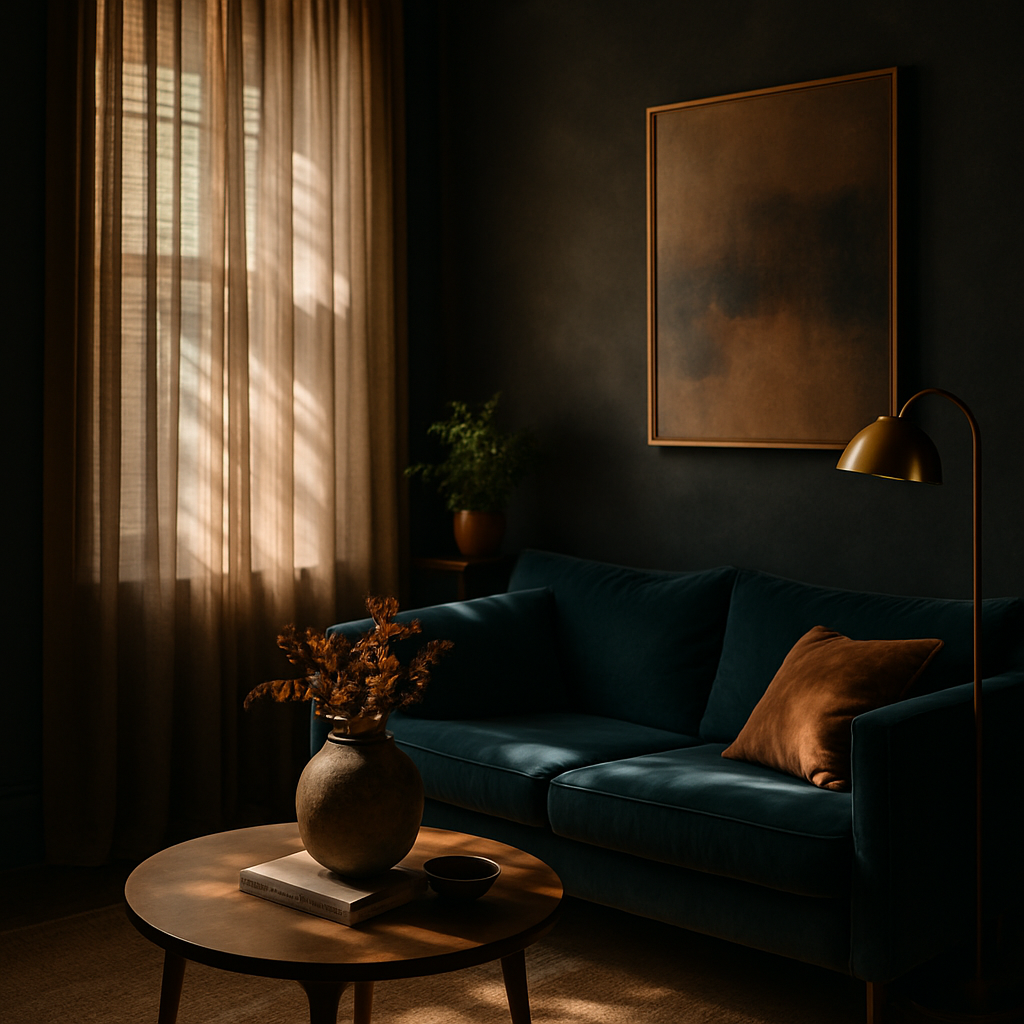
Imagine walking into a room that instantly envelops you in warmth and comfort. The sensation is not merely a product of temperature but of thoughtful design. According to a Houzz survey, a well-designed space can improve your overall mood by 75%. Creating a cozy atmosphere in your home isn't just about aesthetics; it's about crafting an environment that nurtures well-being. In this article, we will explore essential interior design trends that can transform any space into a cozy haven. From foundational concepts to expert-level details, you'll gain insights into how to integrate these trends effectively. Whether it's biophilic design or smart home integration, you'll find actionable strategies to achieve the cozy atmosphere you desire.
Foundational Concepts for a Cozy Atmosphere
Creating a cozy atmosphere begins with understanding the foundational concepts of interior design. One of the primary elements to consider is texture. Soft textiles, such as plush rugs, velvet cushions, and woolen throws, can make a significant difference in how a room feels. Using varied textures adds depth and interest, making the space more inviting. Experienced professionals often note that layering different materials can create a tactile richness that plain surfaces fail to deliver.
Color is another critical factor in cultivating coziness. Warm, earthy tones like terracotta, deep greens, and soft neutrals can evoke a sense of calm and relaxation. According to the American Society of Interior Designers (ASID), these hues are not only comforting but also versatile, allowing for a harmonious blend with other design elements. Incorporating color psychology into your design can enhance the emotional impact of a room.
Lighting, too, plays a crucial role in creating a cozy atmosphere. Natural light is ideal, but when that's not possible, consider using layered lighting. This includes ambient, task, and accent lights to create a warm glow rather than harsh brightness. The International Interior Design Association (IIDA) suggests using dimmable fixtures to adjust the light intensity according to the time of day and mood you wish to create. As we delve deeper into these elements, you'll see how they come together to form a cohesive, comfortable environment.
Deeper Analysis with Data-Driven Insights
Data from various sources provide valuable insights into creating a cozy atmosphere. According to a report by Houzz, 45% of homeowners prioritize comfort in their living spaces, reflecting a shift towards more personalized, comforting environments. This trend underscores the importance of integrating comfort-focused elements into design plans. Are you one of the many who prioritize comfort in your home's atmosphere?
Another significant trend is the rise of biophilic design, which emphasizes natural elements such as wood, stone, and plants. Incorporating these materials can increase feelings of tranquility and connection to nature. The National Council for Interior Design Qualification (NCIDQ) highlights that spaces designed with biophilic principles can enhance both mental and physical well-being. This is particularly important in urban settings where access to natural environments may be limited.
Additionally, the integration of smart home technologies is becoming increasingly popular. Smart lighting and automated window treatments can be programmed to simulate natural light patterns, enhancing the room's coziness. According to industry surveys, homes with integrated smart technologies see a 20% increase in homeowner satisfaction. As we move into actionable strategies, these data points will guide your design choices.
Actionable Strategies for Implementing Cozy Design
Now that you understand the foundational and data-driven elements, it's time to translate these into actionable strategies. Start by assessing your current space and identifying areas where coziness can be enhanced. For example, if your living room feels stark, introduce soft furnishings like throw blankets or cushioned seating. This simple addition can dramatically alter the room's ambience.
Next, consider the strategic use of color. Paint one wall in a warm, earthy tone to create a focal point without overwhelming the space. Complement this with coordinating textiles and accessories. According to ASID, even small changes in color can have a big impact on the overall feel of a room. Do you have a favorite color that makes you feel at ease and could be incorporated in your space?
Finally, invest in quality lighting solutions. Use a combination of floor lamps, table lamps, and wall sconces to create varying light levels. This approach not only enhances coziness but also adds layers of interest and functionality. The IIDA recommends choosing LED bulbs with adjustable brightness to mimic natural light changes throughout the day. With these strategies in mind, let's explore expert-level details that can further refine your interior design project.
Expert-Level Details for Refined Coziness
For those looking to delve deeper into creating a cozy atmosphere, considering expert-level details can make all the difference. One such detail is acoustic design. Sound significantly affects how a space feels. Incorporating sound-absorbing materials like heavy curtains, upholstered furniture, or area rugs can reduce noise levels, contributing to a more serene environment.
Another expert tip involves the strategic placement of mirrors. Mirrors can reflect light and create the illusion of a larger space. By positioning mirrors opposite windows, you can maximize natural light and enhance the room's warmth. This technique is often recommended by certified interior designers, especially in smaller rooms where light is limited.
Additionally, scent plays a critical role in the perception of coziness. Consider using candles, diffusers, or incense to introduce inviting fragrances. Scents like vanilla, lavender, or cedarwood can make a space feel more welcoming and calm. According to Houzz, incorporating scent into your design plan can elevate the sensory experience of a room, making it truly cozy. As we continue, the next section will offer further insights into creating a comprehensive design strategy.
Additional Depth to Your Cozy Design Approach
To achieve a fully integrated cozy design, it's important to consider the layout of your space. Flow and functionality should guide your furniture arrangement. According to the AIA, creating clear pathways and designated zones within a room can enhance comfort and usability. Think about how you use the space daily and adjust the layout to support those activities.
Consider incorporating sustainable materials into your design. Reclaimed wood, recycled textiles, and eco-friendly paints not only add character but also align with environmentally-conscious principles. This aligns with the rising trend of quiet luxury, where understated elegance meets sustainability. Are you interested in incorporating more sustainable choices into your home design?
Lastly, explore the use of AR/VR visualization tools during the design phase. These technologies allow you to see a virtual representation of your space before making physical changes. This can be particularly helpful in visualizing how different elements will come together to create a cozy atmosphere. As we wrap up, we'll synthesize these ideas into a final perspective.
Final Perspectives on Creating a Cozy Atmosphere
Creating a cozy atmosphere in your home is a multifaceted process that combines foundational principles with innovative trends. By blending texture, color, lighting, and smart technologies, you can craft an environment that feels both warm and inviting. Whether you're redesigning a single room or an entire home, these strategies provide a roadmap to achieving your goals.
Remember that the essence of coziness is personal. It's about creating a space that feels right for you and your lifestyle. As you implement these trends, consider how each element contributes to your sense of comfort and well-being. With thoughtful planning and execution, your home can become a sanctuary of coziness and style.
Conclusion
In summary, creating a cozy atmosphere involves a blend of texture, color, lighting, and technology, all tailored to your personal tastes. By following the strategies outlined in this article, you can transform any space into a haven of comfort and relaxation. Begin by evaluating your current space and identifying areas for improvement. Start by browsing portfolios on platforms like Houzz this week - even 20 minutes of research will sharpen your eye for what you want. With these insights, you're well on your way to crafting a home that embodies coziness at its finest.



Comments
Post a Comment