How to Choose the Right Interior Designer for Your Home
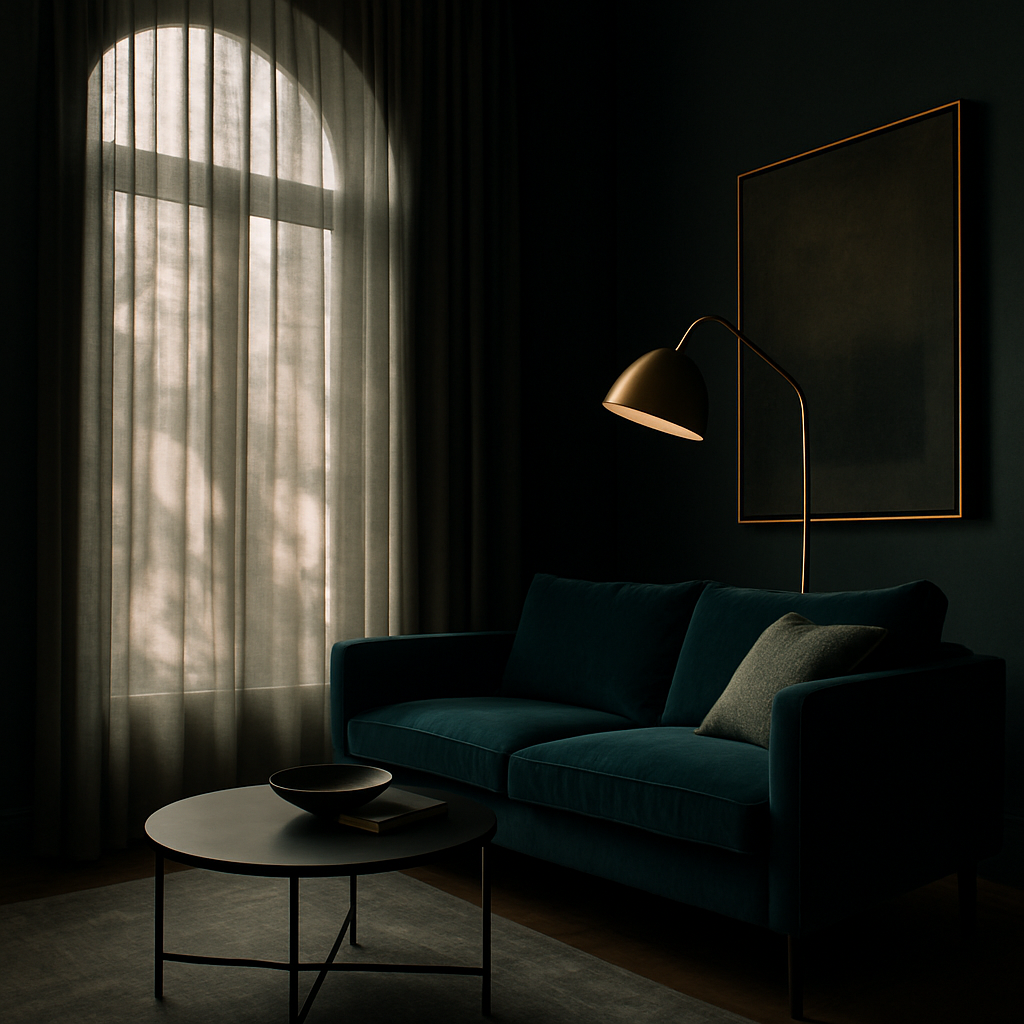
Imagine walking into a home that perfectly reflects your style yet functions seamlessly. Sounds ideal, right? Surprisingly, a 2023 survey by Houzz revealed that 72% of homeowners found their redesign projects more successful when working with a professional interior designer. But how do you choose the right one for your home? This decision can be daunting, given the plethora of options and varying expertise. In this guide, we'll explore key steps to help you make an informed choice, including understanding foundational concepts, analyzing deeper insights, and applying actionable strategies. Whether you're planning a single-room makeover or a full-home overhaul, these insights will ensure your project is in capable hands.
Understanding Interior Design Credentials
Before diving into the search for an interior designer, it's crucial to understand the distinction between certified interior designers and decorators. Certified designers often hold credentials like the NCIDQ (National Council for Interior Design Qualification), a gold standard that signifies comprehensive training and expertise. According to the American Society of Interior Designers (ASID), these professionals undergo rigorous education and examination, ensuring they possess the skills necessary to create safe and functional spaces. Conversely, decorators may have an eye for aesthetics but lack formal training.
When selecting a designer, consider their membership in professional organizations such as the ASID or the International Interior Design Association (IIDA). These associations offer directories that can help you verify a designer's credentials and experience. This step is crucial, as it not only assures you of their competence but also of their commitment to adhering to industry standards. Experienced professionals often note that a designer's ability to foresee potential issues and offer practical solutions is invaluable, especially in complex projects.
Furthermore, understanding the typical fee structures can help you budget accordingly. Designers may charge a flat fee, an hourly rate ranging from $150 to $500, or a percentage of the total project cost, usually between 10-25%. This transparency in costs can prevent any unpleasant surprises down the line, allowing you to focus on the creative aspect of your project. Next, we'll delve into deeper analysis with data to aid in your decision-making process.
Analyzing Design Styles and Compatibility
Once you have a grasp on the credentials, the next step is to analyze the design styles that resonate with you. Do you lean towards the minimalist appeal of Japandi, or does the warmth of biophilic design capture your heart? According to Houzz's annual survey, homeowners who aligned their projects with current trends, such as smart home integration and sustainable materials, reported higher satisfaction rates. Ensuring that your designer's portfolio reflects your preferred style is crucial. Review their past projects on platforms like Houzz and Instagram to get a sense of their aesthetic.
Compatibility with your designer is just as vital as their design style expertise. During initial consultations, pay attention to how well they listen to your ideas and concerns. Are they receptive to your input, or do they push their agenda? This partnership requires open communication and mutual respect. AIA (American Institute of Architects) chapters often emphasize the importance of this dynamic, as it can make or break the success of a project.
Additionally, consider the designer's approach to incorporating technology. Many modern designers utilize AR/VR room visualization tools to help clients envision the final product. This technology can be a game-changer, offering a virtual walkthrough of your redesigned space before any physical changes occur. As we move forward, we'll explore actionable strategies for finding the right designer for your home.
Actionable Strategies for Finding Your Designer
Now that you have a foundation in design styles and compatibility, it's time to implement actionable strategies to find the right designer. Start by browsing designer portfolios on reputable platforms like Houzz and AD PRO. This process can sharpen your eye for what you truly desire in your space. Pay attention to the details of their completed projects, such as material selection and space functionality.
Scheduling consultations with multiple designers is another effective strategy. This allows you to compare their approaches, fee structures, and communication styles. During these meetings, ask pointed questions about their process, timelines, and how they handle unforeseen challenges. Experienced designers will provide clear, concise answers that reflect their expertise and reliability. Don't hesitate to request references from past clients to gain firsthand insights into the designer's professionalism and work ethic.
Furthermore, consider starting with a small project if you're uncertain about committing to a full-home redesign. This trial run can provide valuable insights into the designer's workflow and compatibility with you. As we continue, we'll dive into expert-level details that can significantly influence your decision-making process.
Expert-Level Details on Project Management
Project management is a critical aspect of any redesign. Understanding how a designer handles each phase-from concept development to installation-is essential. A well-organized designer will outline a clear timeline and provide regular updates, ensuring that the project stays on track and within budget. According to a recent ASID study, projects managed by certified designers are 30% more likely to meet their projected timelines compared to those without professional oversight.
In addition, procurement is a phase where expertise truly shines. Designers with established industry connections can often secure materials at a better price, translating to cost savings for you. They are also adept at navigating supply chain challenges, ensuring that your project doesn't face unnecessary delays. The transparency in their procurement process, often detailed in initial contracts, is a hallmark of their professionalism.
Finally, styling and finishing touches can elevate a project from good to exceptional. Look for designers who understand the importance of these details and who can seamlessly blend aesthetics with functionality. The ability to transform a space with carefully chosen accessories, lighting, and textures is what distinguishes seasoned professionals from novices. Next, we'll explore additional depth in terms of trends and personal preferences.
Balancing Trends with Personal Preferences
While it's tempting to follow the latest design trends, it's crucial to balance these with your personal preferences. Remember, what's trendy today might not appeal to you in a few years. According to industry surveys, homeowners who prioritize personal comfort over fleeting trends report higher long-term satisfaction with their spaces. Consider timeless elements that reflect your personality, such as heirloom pieces or art collections, and discuss how these can be incorporated into the design.
Your designer should be adept at merging these elements with current trends like quiet luxury or sustainable materials. This balance ensures that your home remains stylish yet personal. Engage in conversations about how trends like biophilic design can be tailored to suit your lifestyle. For instance, integrating natural materials and indoor plants can create a calming effect, enhancing your home's ambiance.
Ultimately, your home should be a reflection of you, not just a showcase of the latest trends. As we move into the final perspectives, consider how your choices today will impact your living environment in the long run.
Final Perspectives on Choosing Your Designer
Choosing the right interior designer involves more than just evaluating portfolios and credentials. It's about finding someone who understands your vision and can bring it to life within your budget and timeline. Take the time to research and communicate openly with potential designers to ensure a successful partnership. Experienced professionals often emphasize the importance of this collaborative relationship, as it fosters creativity and innovation.
Reflect on the insights and strategies discussed in this guide. How do they align with your goals and expectations? Make a list of your top priorities and use these to guide your final decision. Remember, the right designer can transform your space into a haven that enhances your lifestyle.
In conclusion, choosing the right interior designer requires careful consideration and strategic planning. From understanding credentials to balancing trends with personal preferences, each step plays a vital role in ensuring a successful outcome. Begin your journey by browsing portfolios on Houzz or AD PRO this week-investing even 20 minutes can significantly sharpen your eye for design and help you identify the ideal professional for your project.


Comments
Post a Comment