How to Choose the Right Interior Designer: A Complete Guide for Homeowners
Have you ever walked into a home and been immediately struck by its perfect blend of aesthetics and function? Such transformations are often the handiwork of skilled interior designers. According to Houzz's annual survey, over 85% of homeowners report greater satisfaction with remodels when they've enlisted professional help. But how do you choose the right interior designer to bring your vision to life? This guide delves into the crucial steps and considerations for selecting a designer who aligns with your style, budget, and project goals. We will explore foundational concepts, analyze industry data, offer actionable strategies, and provide expert-level insights to guide you through this journey.
Understanding the Interior Design Landscape
Choosing the right interior designer begins with understanding the landscape of design professionals. Interior designers can hold various certifications, such as the NCIDQ (National Council for Interior Design Qualification), which signifies a high level of expertise. Unlike decorators, who focus primarily on aesthetics, certified interior designers are trained to understand spatial planning, building codes, and other technical aspects. Knowing the difference can significantly impact your project's outcome.
Another key aspect of the interior design landscape is the range of services offered. Some designers provide end-to-end services, from concept development to installation, while others may specialize in particular phases. According to the American Society of Interior Designers (ASID), the majority of full-service designers handle everything from design presentation to procurement and styling, offering a seamless experience. Understanding these offerings helps you set realistic expectations and choose a designer whose services match your needs.
Have you considered how your lifestyle influences your design needs? Designers often incorporate elements like smart home integration or biophilic design to match clients' lifestyles. By identifying your priorities-whether they are energy efficiency, sustainable materials, or tech integration-you can better communicate your vision to a prospective designer. This foundational understanding sets the stage for a successful partnership.
Analyzing Costs and Value
One of the most pivotal considerations in choosing an interior designer is cost. Industry surveys suggest that a single room redesign typically ranges from $5,000 to $15,000, while full-home projects can exceed $150,000. Designers might charge a flat fee, an hourly rate (ranging from $150 to $500 per hour), or a percentage of the total project cost, usually between 10% and 25%. It's essential to understand these structures and determine which aligns best with your financial planning.
The value of a well-executed design project often extends beyond aesthetics. According to Architectural Digest, well-designed interiors can increase a home's resale value by 5% to 15%. This potential return on investment underscores the importance of selecting a designer who can enhance both the look and the functional value of your space. Would you consider this potential boost when budgeting for your project?
Moreover, the design process itself can influence costs. Procurement markups on furniture and materials are common, and experienced professionals often note that these markups can vary significantly. Discussing these details upfront with potential designers can prevent unexpected expenses and help you stay within budget. The next section will delve into strategies to navigate these discussions effectively.
Strategies for Selecting Your Designer
Now that you have a grasp on costs and services, how do you actually choose the right designer? Start by researching and creating a shortlist of candidates. Platforms like Houzz and the ASID directory can be invaluable for browsing portfolios and reading client reviews. These resources provide a window into the designer's style, expertise, and track record, helping you identify candidates whose work resonates with you.
Once you've narrowed down your options, schedule initial consultations. Use these meetings to gauge not only the designer's creative vision but also their communication style and approach to project management. Experienced professionals often note that a successful designer-client relationship hinges on clear communication and mutual respect. How comfortable are you discussing your ideas and concerns with them? This comfort level is crucial for a collaborative process.
Finally, don't overlook the power of visual aids. Many designers use AR/VR tools to help clients visualize the end result. This technology can be a game changer in aligning expectations and ensuring that both you and the designer are on the same page. As you move into the next section, we'll explore expert-level details on what to expect during the design process itself.
Expert Insights into the Design Process
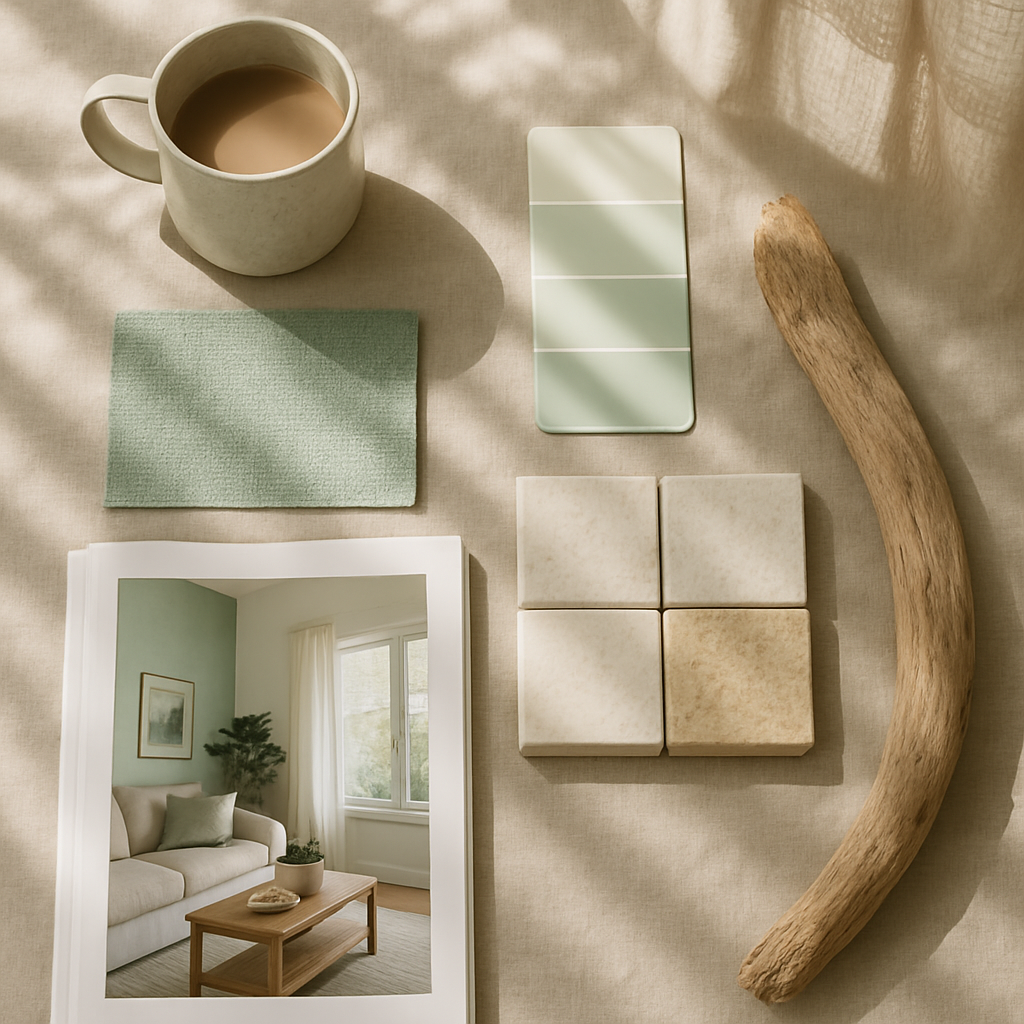
The interior design process typically unfolds in several key phases: concept development, design presentation, procurement, installation, and styling. Each phase requires a distinct set of skills and attention to detail. For example, during concept development, designers will create initial sketches or mood boards to capture the essence of your vision. This stage is critical for setting the overall direction of the project.
In the design presentation phase, you'll receive more refined plans, including floor layouts and 3D renderings. This stage offers an opportunity for feedback and adjustments. According to industry consensus, this is also when budget and timeline considerations should be finalized. Are you prepared to make decisions that will affect the project's scope and direction at this point?
Procurement and installation involve the selection and purchase of furnishings and materials, managed by the designer. This phase can be the most complex, as it involves coordination with suppliers and contractors. Be sure to discuss your involvement in decision-making here, as some clients prefer to be hands-on, while others leave the details to the designer. The next section will provide additional depth with insights from industry veterans.
Additional Insights from Industry Experts
Experienced designers often emphasize the value of flexibility and adaptability throughout the design process. Unexpected challenges, such as supply chain disruptions or design changes, can arise. A designer's ability to pivot and provide solutions is invaluable. This adaptability not only keeps the project on track but also ensures that the final outcome meets your expectations.
Another critical insight from the field is the importance of setting realistic timelines. While it's tempting to rush to the finish line, quality design work takes time. According to the International Interior Design Association (IIDA), even single-room projects can take several months from start to finish, depending on complexity and scope. Understanding this timeline helps manage expectations and allows for a more enjoyable experience.
Finally, consider the designer's network. A well-connected designer often has access to exclusive resources, such as custom fabricators or artisans, which can elevate your project's uniqueness. This network can also expedite problem-solving by leveraging trusted relationships with contractors and suppliers. As you approach the conclusion, consider how these insights align with your goals and the type of professional you wish to collaborate with.
The Final Decision: Making Your Choice
Choosing the right interior designer is both an art and a science. It requires balancing your personal vision with practical considerations like budget and timeline. Reflect on the insights and strategies discussed in this guide. Have you prioritized your design goals and clarified your expectations? These steps are vital in ensuring a successful partnership.
As you finalize your decision, trust your instincts. Often, the right choice is not just about credentials or portfolio but also about the rapport you establish with the designer. Do you feel confident that they understand and can execute your vision? This mutual understanding is the foundation of a fruitful collaboration.
With your decision made, you're ready to embark on an exciting design journey that will transform your space and enhance your lifestyle. In the conclusion, we'll offer a specific next step to take as you begin this creative endeavor.
Conclusion: Taking the Next Step
In summary, choosing the right interior designer involves understanding the design landscape, evaluating costs, and employing strategic selection methods. Armed with insights from industry professionals and a clear understanding of your project's goals, you're well-equipped to make an informed decision. Remember, the right designer will not only bring your vision to life but also add significant value to your home.
Ready to get started? Begin by browsing designer portfolios on Houzz or the ASID directory this week. Even dedicating just 20 minutes can sharpen your eye for styles and features that resonate with you. This simple step could be the beginning of a transformative journey for your home. Are you excited to see your vision take shape?


Comments
Post a Comment