How to Choose the Right Interior Designer for Your Style and Budget
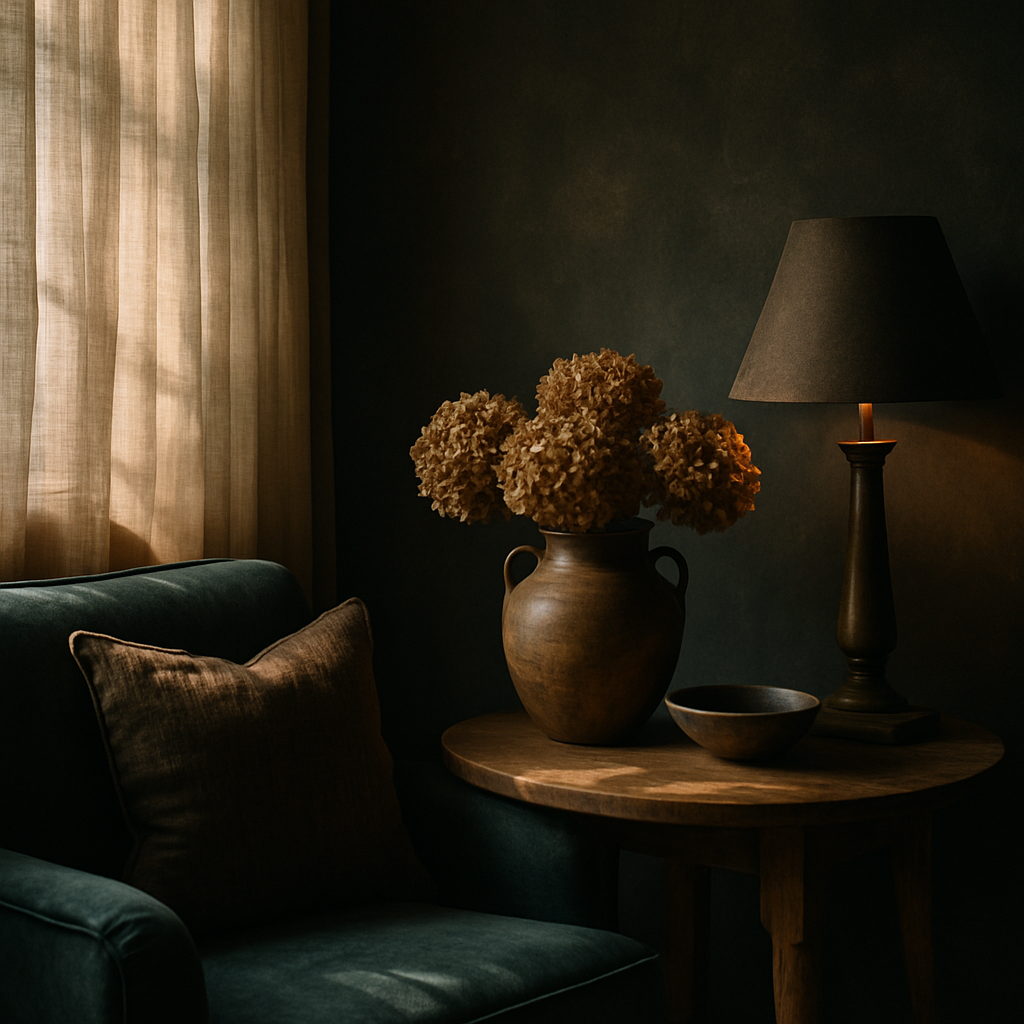
Did you know that a well-designed interior can increase your home's resale value by 5-15%? According to industry surveys, investing in professional interior design is not just about aesthetics-it's a strategic move for your property's value. However, choosing the right interior designer for your style and budget can be a daunting task. With myriad options and varying fee structures, how do you ensure you make the best choice? This comprehensive guide will walk you through foundational concepts, delve into deeper analysis with data, provide actionable strategies, offer expert-level detail, and conclude with final perspectives to help you make an informed decision.
Understanding the Role of an Interior Designer
When embarking on an interior design project, understanding the role of an interior designer is crucial. A certified interior designer is not just someone who picks out colors and furniture; they are trained professionals who hold credentials such as NCIDQ (National Council for Interior Design Qualification) certification or membership in ASID (American Society of Interior Designers). These credentials ensure that the designer has a comprehensive understanding of design principles, building codes, and safety regulations.
The distinction between interior designers and decorators is important. While decorators focus primarily on aesthetics and furnishings, certified interior designers integrate architectural details, space planning, and project management. This holistic approach ensures that every aspect of your space is considered, from lighting and acoustics to sustainability and functionality. Are you looking for a designer who can seamlessly blend form and function?
Moreover, a professional designer guides you through various project phases, including concept development, design presentation, procurement, installation, and styling. This process not only maintains consistency across your project but also ensures that your vision is executed within your budget. Transitioning from understanding their role, let's explore how to assess these professionals.
Evaluating Interior Designers: Data and Insights
Evaluating potential interior designers requires more than just a glance at their portfolio. According to Houzz's annual survey, homeowners prioritize designers who offer transparent pricing and clear communication. In fact, 75% of respondents cited communication as the most critical factor in a successful design project. This data underscores the importance of establishing a rapport with your designer from the outset.
When reviewing portfolios, pay attention to the diversity of projects. A versatile designer should demonstrate an ability to adapt to different styles and preferences. Platforms like Houzz and Instagram offer a wealth of visual inspiration and portfolio examples, allowing you to assess whether a designer's past work aligns with your vision. Could you see your dream space among their past projects?
In addition to creative alignment, consider logistical aspects such as fee structures. Designers may charge a flat fee, hourly rate, or a percentage of the total project cost. Hourly rates range from $150 to $500, while project percentages typically fall between 10-25%. Understanding these options will help you set realistic budget expectations. Now that we've covered evaluation criteria, let's discuss strategies for finding the perfect fit.
Strategies for Selecting the Right Designer
Once you understand what to look for, the next step is to implement strategies for selecting the right designer for your style and budget. Start by defining your style preferences and project goals. Use platforms like Pinterest to create mood boards that reflect your tastes. This visual tool not only helps you articulate your vision but also serves as a reference point during consultations.
Next, leverage professional networks. The IIDA (International Interior Design Association) and ASID directories are excellent resources for finding qualified designers in your area. These organizations ensure that listed professionals meet industry standards and adhere to ethical practices. Contact at least three designers for consultations to compare their approaches and fee structures.
During consultations, ask targeted questions about their experience, process, and past projects. Experienced professionals often note that a good designer-client relationship is built on mutual trust and understanding. Don't shy away from discussing budget constraints upfront-transparency is key to avoiding misunderstandings later. With these strategies in mind, we can now delve into more expert-level details.
Expert-Level Insights into Designer Selection
To take your selection process to the next level, consider the latest trends and technologies in interior design. Many designers now use AR/VR tools for room visualization, allowing you to virtually experience your redesigned space before committing. This technology provides a tangible sense of scale and layout, reducing uncertainty in decision-making.
Additionally, awareness of current design trends can influence your choice. The 2026 trends emphasize biophilic design, quiet luxury, and sustainable materials. A designer who is well-versed in these trends can not only create a stylish space but also enhance its functionality and appeal. Are you interested in integrating smart home features into your design?
Furthermore, consider a designer's connections with suppliers and contractors. A well-connected designer can access exclusive materials and negotiate better prices, ultimately providing more value for your investment. Transitioning from expert insights, let's explore additional depth to refine your decision-making.
Additional Depth in Selecting Your Designer
Beyond trends and technology, understanding the value of project management in interior design is vital. A designer who excels in project management can efficiently handle timelines, budgets, and contractor coordination. This expertise is particularly beneficial in larger projects, where complexities multiply.
Moreover, consider designers who prioritize sustainability. With the growing demand for eco-friendly solutions, designers who integrate sustainable practices can help reduce environmental impact while maintaining style. Look for those who use reclaimed materials or incorporate energy-efficient systems.
Finally, reflect on the long-term relationship you might develop with your designer. A successful collaboration can lead to future projects or referrals. Establishing a rapport with a trusted professional can provide continuity and ease when embarking on new design endeavors. As we wrap up, let's consider the final perspectives on choosing the right interior designer.
Final Perspectives on Making Your Choice
Choosing the right interior designer is as much about personal alignment as it is about professional credentials. The process involves careful consideration of style, budget, and the potential for a lasting partnership. Remember, the right designer should feel like an extension of your own vision, someone who can translate your ideas into reality with expertise and flair.
Reflect on the insights gained from this guide. Have you identified the key qualities you seek in a designer? Are there specific questions you need to ask in your consultations? By addressing these aspects, you can approach your selection process with confidence and clarity.
Ultimately, the right choice will lead to a harmonious blend of your personal taste and professional design, resulting in a space that not only meets your needs but also enhances your quality of life. In conclusion, here's a concrete step to take next.
Conclusion
In summary, choosing the right interior designer involves understanding their role, evaluating them based on data and insights, employing strategic selection methods, and considering expert-level details. This comprehensive approach ensures that your designer aligns with both your style and budget. As you move forward, start by browsing designer portfolios on platforms like Houzz or Instagram. Spend just 20 minutes this week to refine your vision and shortlist potential candidates. This small step will sharpen your eye for what you truly desire in your space.


Comments
Post a Comment