How to Choose the Perfect Interior Design Company for Your Home
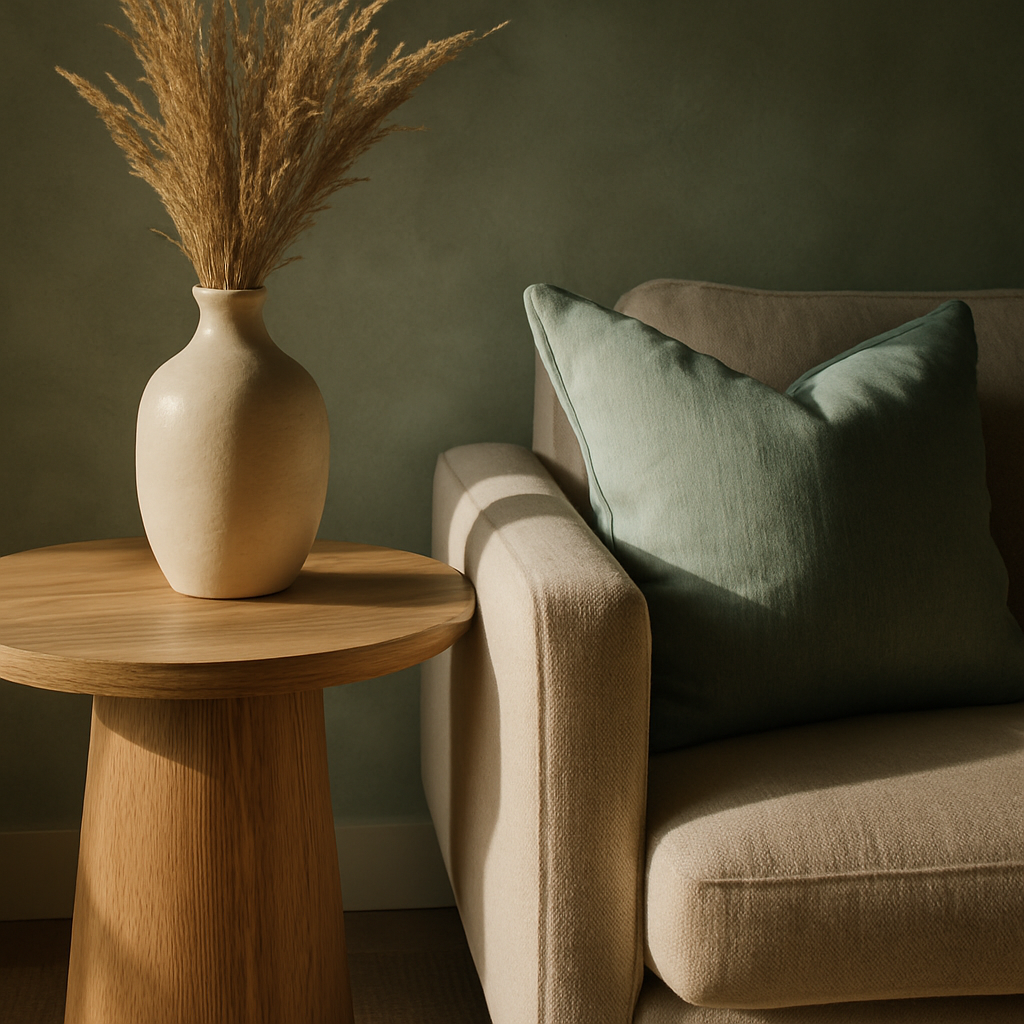
Choosing an interior design company for your home is one of the most consequential decisions you will make as a homeowner. The right firm becomes a creative partner that transforms your vision into a tangible reality, while the wrong choice can lead to frustration, budget overruns, and results that feel disconnected from your personal style. With thousands of design companies operating across the country, each with distinct specialties, philosophies, and price points, narrowing the field requires a structured approach grounded in self-awareness and informed evaluation. The American Society of Interior Designers (ASID) recommends that homeowners invest as much care in selecting their design partner as they do in choosing the design itself, because the quality of the collaboration shapes every aspect of the outcome. This comprehensive guide provides a step-by-step framework for evaluating design companies, understanding what distinguishes exceptional firms from adequate ones, and making a selection that sets your project up for lasting success.
Defining Your Project Scope and Personal Style Before You Search
Before contacting a single design company, invest time in clarifying what you actually need. This preparation phase is the foundation of an efficient and productive search process. Begin by walking through your home with fresh eyes, noting what works, what frustrates you, and what you wish were different about each space. Document these observations in a simple notebook or digital file, organized room by room. Are you seeking a comprehensive whole-home renovation that involves structural changes, or are you looking for a focused refresh of specific rooms? Do you need help with furniture selection and arrangement, or does your project require architectural modifications, custom millwork, and contractor coordination? The answers to these questions will determine the type of company you need, as firms that specialize in full-service design build operate very differently from those focused on decorating and styling.
Equally important is developing an honest understanding of your personal aesthetic preferences. Collect images from design publications, social media platforms, and platforms like Houzz that resonate with you emotionally. Look for patterns across your collection: do you gravitate toward warm, earthy palettes or cool, contemporary tones? Are you drawn to clean-lined Japandi simplicity or richly layered traditional interiors? Do you prefer rooms that feel cozy and intimate or spacious and airy? This visual vocabulary becomes an invaluable communication tool during initial consultations with design companies, helping potential partners quickly assess whether their style capabilities align with your vision. Approximately seventy-eight percent of designers surveyed by professional organizations report that clients who arrive with clear inspiration materials experience smoother project launches and higher satisfaction with final results.
Budget clarity is the third essential element of your preparation. Determine a realistic investment range for your project by researching typical costs for the scope of work you envision. Interior design fees vary widely based on the company's location, reputation, and service model. Hourly rates for experienced designers typically fall between $150 and $500 per hour, while flat-fee and percentage-based models offer alternative pricing structures that may better suit certain project types. Beyond the design fee itself, budget for furnishings, materials, contractor labor, and a contingency reserve of ten to fifteen percent for unexpected expenses. Being forthcoming about your budget during initial conversations with design companies is not a weakness but a strength, as it enables firms to assess honestly whether they can deliver an excellent result within your parameters. Have you established a firm budget ceiling, or are you flexible depending on the value a company demonstrates? Understanding your own financial boundaries prevents uncomfortable conversations later in the process.
Researching and Creating a Shortlist of Design Companies
With your project scope, style preferences, and budget defined, you can begin researching companies with a targeted approach. Professional organization directories are your most reliable starting point. ASID and the International Interior Design Association (IIDA) both maintain searchable databases of member firms organized by location, specialty, and project type. Membership in these organizations requires meeting professional standards that ensure a baseline of competency and ethical practice. The National Council for Interior Design Qualification (NCIDQ) certification is another important credential to seek, as it verifies that the firm's designers have passed a comprehensive examination covering design principles, building codes, and professional practice. Companies that employ NCIDQ-certified designers demonstrate a commitment to professional standards that directly benefits their clients.
Supplement directory research with portfolio review and reputation assessment. Visit each candidate company's website and examine their project galleries critically. Look beyond beautiful photography to assess consistency of quality, range of style capabilities, and relevance to your specific project type. A firm that predominantly showcases commercial office projects may not be the ideal partner for a residential kitchen renovation, regardless of the quality of their commercial work. Read client testimonials and third-party reviews on platforms like Houzz, paying attention to comments about communication quality, budget management, and timeline adherence rather than focusing exclusively on aesthetic praise. Reviews that mention specific positive interactions, such as how the firm handled a construction delay or accommodated a mid-project design change, provide more useful insight than generic endorsements.
Aim to create a shortlist of three to five companies that meet your criteria across style alignment, credential verification, relevant experience, and geographic accessibility. This number is large enough to provide meaningful comparison but small enough to allow thorough evaluation without decision fatigue. For each shortlisted company, note the specific projects in their portfolio that most closely resemble your vision, as these will serve as useful reference points during consultations. Also note any questions or concerns that arose during your research, such as a portfolio that seems to lack projects at your budget level or a review that mentions communication challenges. Bringing these observations to the consultation demonstrates that you are a prepared and engaged client, which in turn encourages the firm to invest its best thinking in your project from the very first meeting.
Conducting Thorough Consultations and Interviews
The consultation process is where research transitions into relationship assessment. Request meetings with each shortlisted company and prepare a consistent set of questions that allows you to compare responses meaningfully. Essential questions include how the firm structures its design process from concept through completion, what their typical project timeline looks like for a scope similar to yours, how they handle budget management and cost overruns, and what their communication protocols include. Ask about the specific team members who would work on your project and request to meet them during the consultation. In many larger firms, the principal designer whose name is on the door may not be the person managing your day-to-day project, and understanding the team structure upfront prevents disappointment later.
During the consultation, observe how the company representatives engage with you and your space. The best design firms begin by asking questions rather than offering solutions. They want to understand how you live in your home, what daily routines matter most to you, what irritates you about your current environment, and what experiences or emotions you want your redesigned space to inspire. AD PRO has profiled numerous award-winning firms that cite deep listening as the single most important factor in their success, emphasizing that great design begins with understanding the human beings who will inhabit the space. A company that immediately begins prescribing design solutions without thorough discovery is likely to produce results that reflect their assumptions rather than your reality. Pay attention to whether the firm asks about your lifestyle beyond aesthetics, including questions about entertaining habits, work-from-home requirements, family dynamics, and future plans such as expanding your household.
Request a detailed proposal from each finalist that outlines their recommended scope of work, fee structure, estimated timeline, and deliverables at each project milestone. Compare these proposals not just on price but on specificity and comprehensiveness. A lower fee may signal fewer included services, while a higher fee may encompass project management, procurement coordination, and installation oversight that would otherwise require your direct involvement. Ask each company to walk you through their proposal in detail, explaining what each line item includes and identifying any areas where costs could vary. How transparent is the firm about its pricing structure? Companies that are open and detailed in their financial discussions tend to maintain that transparency throughout the project, while firms that are vague about costs during the proposal phase may present unwelcome surprises during execution.
Evaluating Design Philosophy and Creative Alignment
Beyond credentials and logistics, the creative philosophy of a design company must align with your own aesthetic values and lifestyle priorities. Some firms are known for a distinctive signature style that they apply across all projects, while others pride themselves on adaptability, tailoring their approach to each client's unique vision. Neither model is inherently superior, but the right choice depends on your preferences. If you have fallen in love with a firm's specific aesthetic and want that look translated into your home, a signature-style company is an excellent match. If you have a clear personal vision and want a design partner who will amplify your ideas rather than impose their own, an adaptive firm may serve you better. Ask each company directly about their approach to creative direction and listen carefully to whether their answer aligns with the collaborative dynamic you envision.
Explore how each company approaches the specific design themes that matter most to you. If sustainability is a priority, ask about their sourcing practices, preferred sustainable material vendors, and experience with environmentally responsible design specifications. If smart home integration is important, inquire about their technology partnerships, their approach to infrastructure planning, and examples of past projects where technology was seamlessly incorporated. If biophilic design appeals to you, discuss their experience with living walls, natural material palettes, and indoor air quality optimization. If quiet luxury resonates with your taste, ask about their relationships with artisan workshops, custom fabrication capabilities, and experience working with premium natural materials. The depth and enthusiasm of a company's responses to these specific questions will reveal whether their expertise is genuine or superficial.
Creative alignment also encompasses the company's attitude toward collaboration and client input. The ideal design partnership is one where both parties contribute meaningfully to the creative process. The designer brings professional expertise, technical knowledge, and trained aesthetic judgment, while the homeowner contributes intimate knowledge of their lifestyle, preferences, and the intangible qualities that make a house feel like home. Companies that dismiss client input or treat design decisions as matters of professional authority rather than collaborative exploration tend to produce spaces that feel more like showrooms than personal sanctuaries. Conversely, firms that defer entirely to client preferences without offering professional guidance may deliver results that lack the sophistication and cohesion that justify their fees. Do you want a design partner who challenges your assumptions and introduces you to new possibilities, or one who faithfully executes your existing vision? The most satisfying partnerships usually involve a balance of both, with the designer stretching the client's comfort zone while respecting their fundamental preferences.
Understanding Contracts, Timelines, and Project Management
Once you have identified your preferred design company, the formalization of the engagement through a comprehensive contract is a critical step that protects both parties. A well-drafted design contract should specify the complete scope of services, fee structure and payment schedule, estimated timeline with defined milestones, revision and change-order policies, procurement responsibilities and markup disclosures, intellectual property provisions, and termination clauses. ASID provides contract templates and guidelines that establish industry-standard terms, and many reputable firms use these as the foundation for their client agreements. Review the contract thoroughly, and do not hesitate to ask questions about any provision you do not fully understand. A company that is transparent and patient during the contracting process is likely to maintain that standard of communication throughout the project.
Timeline management is one of the most common sources of friction in design projects, and understanding a company's approach to scheduling will help you set realistic expectations. Full-service residential design projects typically span several months from initial concept through final installation, with larger renovations sometimes extending beyond a year. Lead times for custom furniture, specialty materials, and artisan-made pieces can add weeks or months to the overall schedule, and reputable companies will factor these variables into their project plans from the outset. Ask about how the company handles delays, whether caused by supply chain disruptions, construction complications, or client decision-making. Firms with robust project management systems and experienced coordinators are better equipped to navigate these inevitable challenges without allowing the overall timeline to spiral out of control.
Project management capabilities vary significantly among design companies, and this is an area where larger firms often hold an advantage over smaller studios. Dedicated project managers track procurement orders, coordinate deliveries, schedule trade installations, and serve as the primary point of contact for contractors and vendors. They maintain detailed project schedules, manage punch lists, and ensure that quality standards are met at every phase. For complex renovations involving multiple trades and extended timelines, this level of organizational support is invaluable. Smaller firms may compensate with more personalized attention and greater flexibility, but they may also rely on the client to take a more active role in coordination and oversight. What level of involvement do you want in the day-to-day management of your project? Some homeowners relish the details, while others prefer to delegate everything and see only the finished result. Matching your preference to the company's operating model is essential for a smooth and enjoyable experience.
Making Your Final Decision With Confidence
After completing your research, consultations, and proposal evaluations, the moment arrives to make your selection. If your process has been thorough, you should have a clear frontrunner based on the cumulative evidence of creative alignment, professional competency, communication quality, and interpersonal rapport. Trust the body of evidence you have assembled rather than second-guessing your conclusions. The company that consistently demonstrated understanding of your vision, transparency in their business practices, relevant experience with your project type, and a genuine enthusiasm for the collaboration is almost certainly the right choice. Reference checks should confirm your assessment. Contact two or three former clients and ask specific questions about their experience: Did the project stay within budget? Was the timeline managed effectively? How did the company handle unexpected challenges? Would they hire this firm again without hesitation?
It is equally important to listen to your emotional response to each company you have evaluated. Interior design is an intimate process that unfolds over an extended period, and the quality of the human relationship between you and your design team significantly influences both the experience and the outcome. A company whose portfolio is impressive but whose principals make you feel rushed, condescended to, or unheard is unlikely to produce results that feel authentically yours. Conversely, a firm whose work inspires you and whose team makes you feel respected, excited, and confident is positioned to create something truly special. The best design partnerships are characterized by mutual respect, shared enthusiasm, and honest communication. These qualities cannot be faked in a proposal or a portfolio; they emerge through genuine interaction.
Once you have made your decision, communicate it clearly and move forward with commitment. Notify the companies you did not select with a courteous message acknowledging their time and professionalism. Engage fully with your chosen firm by signing the contract, establishing the payment schedule, and participating actively in the kickoff process. The journey ahead will involve hundreds of decisions, some thrilling and some tedious, but with the right design company at your side, every choice becomes part of a coherent narrative that culminates in a home that is genuinely, unmistakably yours. Begin today by clarifying your vision, researching your options, and taking the first step toward a partnership that will transform not just your space but your experience of living within it. The perfect design company for your home is waiting to hear from you.
More Articles You May Like



Comments
Post a Comment