How to Choose the Best Online Interior Designer for Your Dream Home
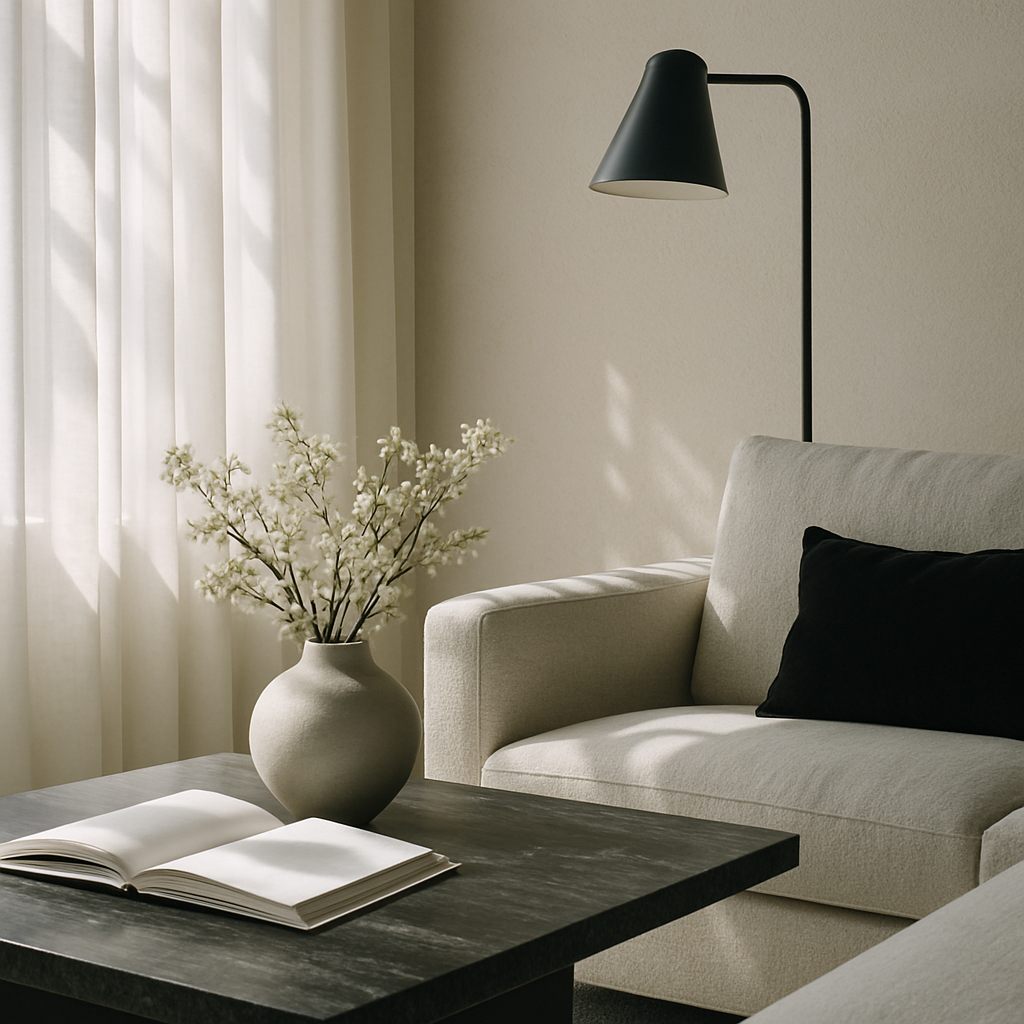
Imagine stepping into your home, only to be greeted by a space that perfectly reflects your style, needs, and personality. Yet, achieving such a transformative experience can feel daunting, especially when navigating the vast world of online interior design. According to industry surveys, over 70% of homeowners express dissatisfaction with their initial design attempts, often due to mismatched expectations with designers. How do you ensure your vision aligns with the expertise of an online interior designer? This article will guide you through the essential steps to select the best professional for your dream home, covering foundational concepts, detailed analysis, actionable strategies, and expert insights.
Understanding Online Interior Design Services
Online interior design services have revolutionized the way homeowners approach renovations, offering convenience and access to a broad range of professionals. These services typically start with an initial consultation, which can be done via video call, followed by a design proposal, and finally, the implementation phase. The flexibility of virtual consultations allows clients to connect with top-tier designers without geographical constraints, a significant advantage for those living in areas with limited local resources.
One key distinction to understand is the difference between certified interior designers and decorators. Certified designers often hold credentials such as NCIDQ (National Council for Interior Design Qualification) or are members of ASID (American Society of Interior Designers) or IIDA (International Interior Design Association). These certifications ensure a designer has met rigorous education and experience standards. In contrast, decorators may not have formal qualifications but can be highly skilled in aesthetics and style management.
For many homeowners, cost is a decisive factor. Online services generally offer more competitive pricing than traditional in-person designers. Typically, online design packages can range from $500 to $2,500 per room, depending on the complexity and service level. Understanding these foundational elements can help set realistic expectations and guide your selection process. Next, we'll delve into the data and details that illuminate the selection process further.
The Role of Data in Choosing an Online Designer
The decision to hire an online interior designer should be informed by data as much as by intuition. For instance, Houzz's annual survey data reveals that 85% of homeowners consider reviews and ratings crucial when selecting a designer. This is where platforms like Houzz, which aggregate user reviews and project satisfaction scores, become invaluable. They provide a transparent view of a designer's track record, helping you assess their reliability and success in meeting client expectations.
Furthermore, consider leveraging social media platforms such as Instagram and Pinterest to gauge a designer's aesthetic. Many designers showcase their portfolios on these platforms, giving you a visual sense of their style and expertise. According to Architectural Digest's AD PRO network, designers who actively engage and maintain a strong online presence tend to have higher client satisfaction rates, as they are more attuned to current trends and client preferences.
Budgets are another critical consideration. While online design services are generally more economical, they still require investment. A single room redesign might cost between $5,000 and $15,000, while full-home projects can exceed $50,000. Understanding the financial commitment required can help you align your budget with the potential resale value increase of 5-15% that well-designed interiors can bring. With this data-driven approach, you're better equipped to make an informed decision. Let's now explore actionable strategies for selecting the right designer.
Strategies for Selecting the Right Designer
When choosing an online interior designer, clarity on your own design goals and preferences is paramount. Start by mapping out how you use each room-where you drop your keys, where the kids do homework, where you relax at the end of the day. This self-awareness will not only help you communicate your needs effectively but also ensure that the designer's vision aligns with your lifestyle.
Next, conduct thorough research on potential designers. Browse platforms like Houzz and ASID directories for professional portfolios, paying close attention to their style and previous projects. Does their work resonate with your taste? Do they have experience with projects similar to yours? Experienced professionals often note that the best outcomes stem from a clear alignment between the client's personal style and the designer's expertise.
Once you've shortlisted potential designers, schedule initial consultations to discuss your project scope and budget. Use this opportunity to assess their communication style, responsiveness, and enthusiasm for your project. A designer who listens attentively and asks insightful questions is more likely to deliver results that exceed your expectations. With these strategies, you're on track to find a designer who can bring your dream home to life. Let's dive deeper into expert-level details next.
Expert-Level Insights on Working with Designers
Experienced interior designers emphasize the importance of a collaborative relationship with clients. This partnership begins with the concept development phase, where designers translate your ideas into tangible plans. According to the AIA, this phase is critical as it sets the foundation for the entire project, from design presentation to procurement and installation.
Furthermore, consider the value of innovative tools like AR/VR room visualization, which many designers now use to present concepts. These tools allow you to 'walk through' your redesigned space before any physical changes occur, ensuring that the final outcome aligns with your expectations. Designers who leverage such technologies can offer a more immersive and reassuring experience, reducing the risk of costly changes down the line.
Fee structures are another aspect to explore. While some designers charge a flat fee, others might operate on an hourly rate ranging from $150 to $500, or a percentage of the total project cost, typically 10-25%. Understanding these structures can help you plan financially and avoid surprises. As we continue, we'll discuss additional expert details that enhance the decision-making process.
Additional Expert Details to Consider
When engaging an online interior designer, it's crucial to understand the nuances of procurement and sourcing. Designers often have access to trade-only resources and discounts that can significantly enhance the quality and value of your project. This is where their expertise can save time and money, ensuring that you receive the best materials and furnishings within your budget.
Sustainability is another growing consideration in interior design. Many homeowners today prioritize eco-friendly materials and practices, such as using reclaimed wood or incorporating biophilic design elements like living walls. Discuss these preferences with potential designers to ensure their values align with yours, and explore how they integrate sustainable practices into their work.
Lastly, set realistic timelines for your project. While online services may expedite the design phase, factors such as shipping delays and installation complexities can extend the overall timeline. Clear communication and a shared understanding of project milestones can mitigate frustrations and ensure a smoother process. With these expert details in mind, let's conclude with some final perspectives on choosing an online interior designer.
Final Perspectives on Selecting Your Designer
As you embark on the journey of selecting an online interior designer, remember that the process is as much about personal connection as it is about professional expertise. The right designer will resonate with your style, respect your budget, and communicate effectively throughout the project. Reflect on what aspects of the design process matter most to you. Is it the designer's creative vision, their technical proficiency, or perhaps their ability to manage time and resources efficiently?
Experienced designers often suggest maintaining an open line of communication throughout the project. Regular updates and feedback ensure that both parties remain aligned and any adjustments are made promptly. This collaborative approach not only enhances the final outcome but also enriches the overall experience of transforming your home.
In this dynamic field, trends and technologies evolve rapidly. Staying informed and flexible allows you to adapt to new ideas and possibilities, ensuring that your home reflects both timeless elegance and contemporary innovation. As we wrap up, consider how you'll apply these insights to make an informed decision.
Conclusion: Your Next Steps
Choosing the best online interior designer for your dream home is a nuanced process that involves balancing personal preferences with professional expertise. By understanding the foundational concepts, leveraging data, and applying actionable strategies, you're well-equipped to make an informed decision. Remember to consider expert insights and additional details that can influence your project's success.
As a concrete next step, start by browsing portfolios on platforms like Houzz and ASID this week. Even dedicating 20 minutes to this research will sharpen your eye for what you truly want in a designer. Reflect on the questions raised in this article and how they apply to your specific needs and goals. With the right approach, you'll find a designer who can transform your vision into a stunning reality.


Comments
Post a Comment