How to Choose the Best Interior Design App for Your Unique Style
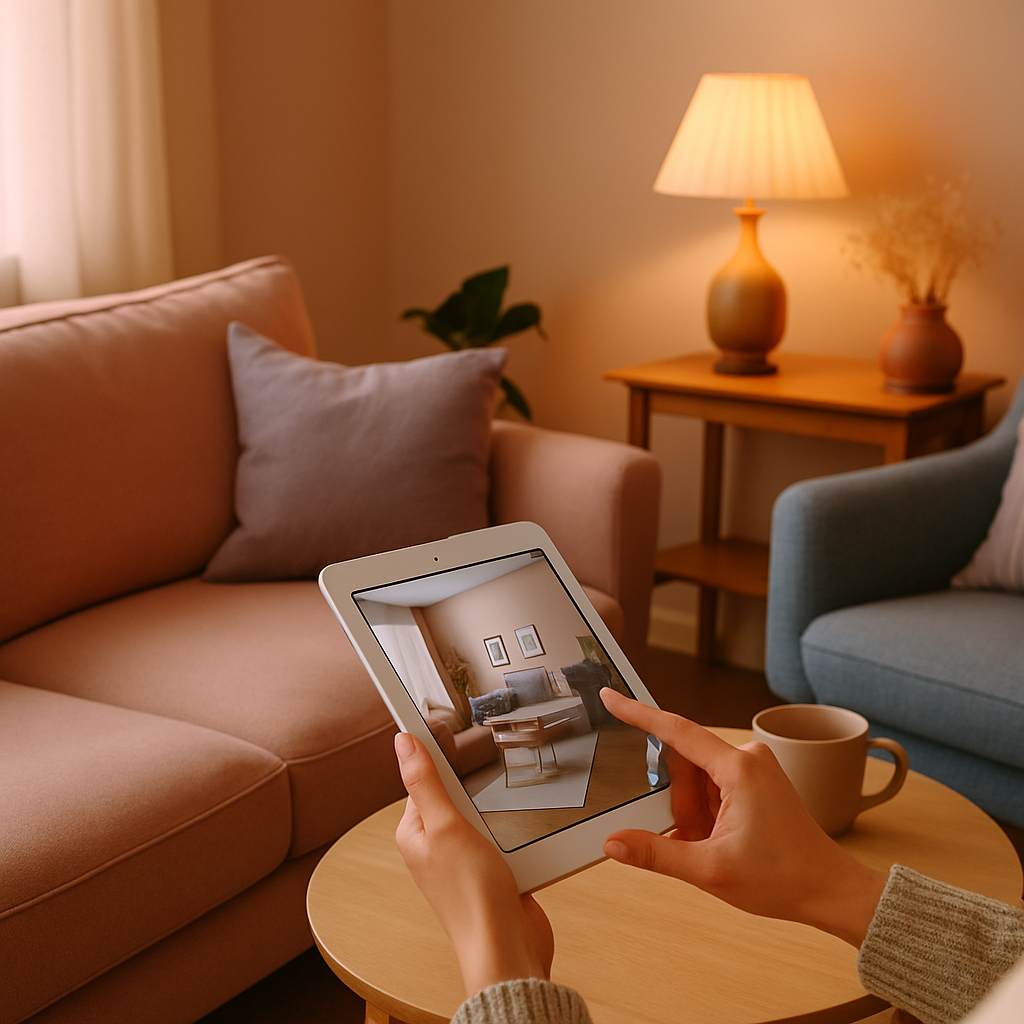
In a world where your smartphone is your most powerful tool, choosing the right interior design app can transform your living space from drab to fab. Did you know that 65% of homeowners who used interior design apps reported greater satisfaction with their renovation outcomes? This statistic, according to a Houzz survey, highlights the growing influence of technology in home design. Whether you're an amateur decorator or a seasoned pro, finding an app that aligns with your unique style can be a game-changer. This article will guide you through understanding foundational concepts, analyzing features that suit your needs, and delving into expert insights to help you make an informed choice.
Understanding the Basics of Interior Design Apps
Interior design apps are digital tools that allow users to visualize, plan, and execute home design projects. They range from simple mood board creators to complex 3D modeling software. The primary function of these apps is to aid in the visualization process, providing a platform where you can experiment with colors, layouts, and styles without the physical commitment. Experienced professionals often note that the right app can bridge the gap between concept and execution, making it an essential tool in any designer's arsenal.
These apps cater to different skill levels and project scopes. For instance, apps like Houzz and Pinterest are excellent for inspiration and mood boards, while more advanced tools like SketchUp and AutoCAD offer precise 3D modeling capabilities. Understanding your project needs and your technical comfort level is crucial in selecting the right app. A simple room makeover may only require basic features, whereas a full-scale renovation might benefit from advanced functionalities.
Moreover, many interior design apps incorporate augmented reality (AR) and virtual reality (VR) features, allowing users to visualize changes in their actual spaces. This technological advancement has revolutionized the industry, providing a realistic preview of potential outcomes. As you begin your search for the perfect app, consider what features are most important for your goals and how they align with your design vision.
With a grasp of the basics, you'll be better prepared to delve into the more nuanced aspects of choosing an app. Understanding what features are available and how they can be utilized will set a strong foundation for your selection process.
Analyzing Features and Functionality
When choosing an interior design app, it's essential to analyze its features and functionality. Industry surveys suggest that the most popular features include 3D room planners, virtual try-ons for furniture, and access to a vast database of design ideas. For instance, apps like MagicPlan allow you to create floor plans with just your smartphone camera, significantly simplifying the initial stages of design.
Another critical feature to consider is the app's ability to integrate with other platforms. Apps that can sync with social media or other design tools can enhance your creative process. For example, the ability to export designs from SketchUp into Photoshop for further editing is a valuable asset for designers looking to refine their projects. Additionally, apps like HomeByMe offer community forums where users can share ideas and get feedback, fostering a collaborative environment.
Cost is also a significant factor. While some apps offer free versions with limited features, others require a subscription or one-time purchase. Typically, advanced apps with professional-grade tools may range from $10 to $100. As with any investment, consider what you're willing to spend and the value the app brings to your design process. By weighing these factors, you can choose an app that not only fits your budget but also meets your design needs.
Analyzing the features and functionalities will help narrow down your options and focus on apps that offer the best tools for your style. This understanding will lead into actionable strategies for making the most of these apps in your next project.
Strategies for Maximizing App Use
Once you've selected an interior design app, maximizing its potential requires a strategic approach. Start by familiarizing yourself with all its features. Many apps offer tutorials or guides that can help you get the most out of their tools. For example, TinkerCad offers introductory lessons for beginners, allowing you to gradually build your skills.
Creating mood boards is an effective way to organize your ideas and refine your design vision. Apps like Pinterest provide a platform to collect and categorize images, color schemes, and furniture pieces. This can help you stay focused and inspired throughout the design process. Have you considered how your personal style can be reflected in your mood board? Using these tools creatively can lead to unique, personalized spaces.
Regularly updating your project plans and seeking feedback can also enhance your design process. Sharing your designs with friends, family, or even online communities can provide valuable insights and new perspectives. Apps like Homestyler allow you to easily share your 3D models and gather feedback, turning your project into a collaborative effort.
These strategies ensure that you're not just using the app, but leveraging its full potential to create spaces that truly reflect your style. This expertise naturally leads to understanding how professionals use these tools to elevate their designs.
Expert Insights on Professional Use
Professionals in the interior design industry utilize these apps in ways that maximize efficiency and creativity. According to the American Society of Interior Designers (ASID), many professionals integrate apps into their workflow to streamline processes such as concept development and client presentations. This integration not only saves time but also enhances communication with clients.
Certified interior designers, often holding credentials like NCIDQ (National Council for Interior Design Qualification), rely on these apps to simulate design concepts and present realistic visualizations to clients. Apps like RoomSketcher allow designers to create detailed 3D models that clients can explore and modify, providing a tangible sense of the proposed design.
Moreover, professionals often use apps to manage procurement and track project timelines. Features that allow for easy cataloging of furniture and materials, along with budgeting tools, make apps like DecorMatters invaluable for large-scale projects. These functionalities not only assist in maintaining organization but also ensure that projects stay within budget and on schedule.
Understanding how experts utilize these tools can offer new perspectives on your projects. These insights flow into additional depth on how trends influence app choice and usage.
The Role of Trends in App Selection
Current interior design trends significantly impact the choice and use of design apps. Trends like biophilic design, which emphasizes natural materials and connections to nature, require apps that offer extensive databases of sustainable materials and plants. Apps that incorporate AR features, like IKEA Place, allow users to visualize how these elements fit into their spaces.
Similarly, the trend of quiet luxury and understated elegance demands tools that can help create subtle yet sophisticated designs. Apps with high-quality rendering capabilities and access to premium furniture catalogs, such as Planner 5D, are well-suited for these projects. Do you find yourself drawn to these current trends when planning your spaces?
Japandi, a fusion of Japanese minimalism and Scandinavian warmth, has also gained popularity, requiring apps that support minimalist layouts and a neutral palette. As these trends evolve, so too must the tools designers use, ensuring they remain relevant and effective. Keeping abreast of trends will ensure your projects not only meet current demands but also push creative boundaries.
Delving into the influence of trends offers a deeper understanding of how apps can adapt and innovate. This leads to final perspectives on making informed app choices.
Final Thoughts on App Selection
Ultimately, selecting the best interior design app for your style involves careful consideration of both your personal preferences and project requirements. By understanding the essential features, learning from industry professionals, and staying attuned to design trends, you can make informed decisions that enhance your creativity and efficiency.
Remember, the right app is more than just a tool; it's a partner in your design journey. How will you ensure that your choice complements and enhances your creative process?
As technology continues to evolve, so too will the capabilities of interior design apps, offering new ways to bring your visions to life. Embrace these tools, explore their potential, and let them inspire your next masterpiece.
Conclusion
In conclusion, choosing the best interior design app for your unique style requires a blend of self-reflection, research, and experimentation. By understanding foundational concepts, analyzing features, and applying expert strategies, you can find an app that not only meets your needs but also elevates your design process. Remember to consider current trends and integrate them into your projects where applicable.
Now that you're equipped with the knowledge to make an informed choice, it's time to take action. Start by exploring popular platforms like Houzz, Pinterest, and SketchUp. Spend some time navigating their features and envisioning how they can transform your spaces. Even dedicating just 20 minutes to research can bring you closer to achieving your design goals. Let these tools guide you on your creative journey and inspire the spaces you've always envisioned.



Comments
Post a Comment