How to Choose the Best Home Interior Design Service for Your Style
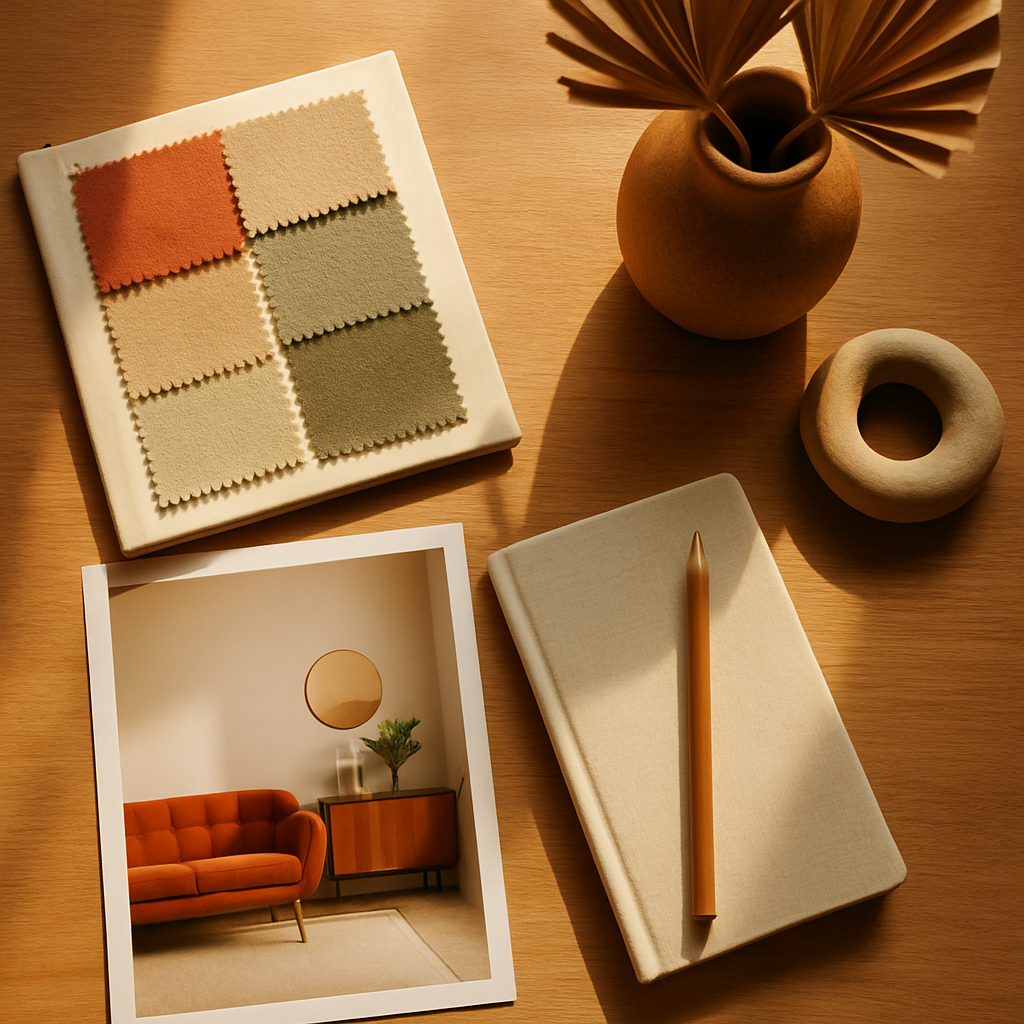
Have you ever walked into a room and felt immediately at home, as if it was designed just for you? That feeling isn't accidental - it's the result of thoughtful design tailored to your personal style. As you embark on the journey to transform your living space, selecting the right interior design service is crucial. According to a Houzz survey, 87% of homeowners say that design choices directly impact their overall happiness at home. In this guide, we'll explore how to choose the best home interior design service that aligns with your unique taste, diving into foundational concepts, detailed analysis, actionable strategies, and expert insights.
Understanding the Basics of Interior Design Services
Choosing the best home interior design service begins with understanding the roles and qualifications of professionals in the field. Certified interior designers, who often hold credentials such as the NCIDQ (National Council for Interior Design Qualification), offer a depth of expertise that decorators may not. While decorators focus primarily on aesthetics, certified designers integrate function, safety, and building codes into their concepts. This foundational knowledge can significantly impact the quality and longevity of your design.
Budgeting is another critical factor. Interior design fees vary widely, with some designers charging a flat fee while others may bill hourly, ranging from $150 to $500 per hour. Alternatively, some may take a percentage of the total project cost, typically between 10-25%. Understanding these fee structures helps in selecting a service that matches your financial plans. For instance, a full-home project might cost between $50,000 to $150,000, while a single room redesign can range from $5,000 to $15,000.
Finally, aligning your vision with a designer's style is crucial. Reviewing portfolios on platforms like Houzz and Architectural Digest can provide insight into a designer's previous work and their ability to deliver on your aesthetic preferences. As you explore these resources, ask yourself: Does their style resonate with mine? Are their previous projects similar to what I envision for my home? These questions can guide you toward a designer who truly matches your style.
Analyzing Trends and Data in Design
Current trends can also inform your choice of interior design service. The rise of biophilic design, which emphasizes natural materials and indoor-outdoor flow, has become increasingly popular. According to a recent ASID report, biophilic elements not only enhance aesthetic appeal but also improve mental well-being and productivity. If these aspects are important to you, seeking a designer with experience in biophilic design could be beneficial.
Another trend to consider is the integration of smart home technology in design. Experienced professionals often incorporate smart lighting, climate control, and automated window treatments into their projects, creating a seamless blend of technology and style. The IIDA (International Interior Design Association) frequently highlights the importance of these features in modern homes. If technology integration is a priority, ensure your potential designer has expertise in this area.
Additionally, while exploring trends, don't forget the economic impact of your design choices. Well-designed interiors can increase a home's resale value by 5-15%, according to multiple industry surveys. This statistic underscores the importance of selecting a service that not only enhances your current living experience but also adds value to your home in the long term. Consider how each design choice could affect your home's market appeal.
Strategies for Choosing the Right Service
Now that you understand the basics and trends, how do you choose the right service? Start by mapping out your requirements. Do you need a complete home overhaul or just a room refresh? This will determine the scope of services you require. Once you have clarity, begin by compiling a list of potential designers. Use resources like the ASID directory to find professionals with verified credentials and positive client feedback.
Next, schedule consultations with your shortlisted designers. During these meetings, inquire about their design process, fee structure, and timeline. Discuss your vision and observe how they respond. Are they listening actively? Do they offer insightful suggestions? These interactions will help you gauge their level of engagement and compatibility with your project. Remember, a good designer will not only provide solutions but also inspire confidence in their ability to bring your vision to life.
Finally, consider asking for a preliminary design proposal. This document should outline the designer's understanding of your needs, initial ideas, and a rough budget estimate. Evaluating these proposals can help you identify which designer best understands your style and constraints. As you review them, ask yourself: Does this proposal reflect my vision? Is it within my budget? These considerations will guide your selection process.
Expert Insights into the Design Process
Experienced professionals often note that a successful project hinges on clear communication between the client and designer. From the initial concept development to final styling, maintaining an open dialogue ensures that your expectations are met at every stage. The design process typically involves several phases: concept development, design presentation, procurement, installation, and styling. Understanding each phase helps you anticipate what to expect and prepare accordingly.
Concept development is where your ideas begin to take shape. During this phase, you and your designer will refine your vision into actionable plans. This is followed by a design presentation, where you'll review sketches and digital mock-ups. Many designers now use AR/VR tools to visualize designs, allowing you to experience your space before any physical changes occur.
The procurement phase involves selecting and purchasing materials and furnishings. Here, designers often leverage their industry connections to source unique items and negotiate better prices. Installation and styling bring the project to completion, with designers overseeing every detail to ensure a cohesive and polished result. By understanding this process, you can engage more effectively with your designer, ensuring a smoother journey to your dream home.
Additional Considerations for Your Design Service
Beyond style and budget, there are other factors to consider when selecting a design service. Sustainability is increasingly important to many homeowners. If this is a priority for you, look for designers who specialize in using sustainable and reclaimed materials. This approach not only benefits the environment but also adds unique character to your space.
Another consideration is the designer's availability and project timeline. Before committing, clarify their current workload and how it might impact your project. Are they able to start immediately, or will you need to wait? Understanding these logistics can help manage your expectations and ensure a timely execution of your project.
Finally, think about the long-term relationship you wish to build with your designer. A successful collaboration often leads to future projects and referrals. Consider whether the designer's communication style and professionalism align with your preferences. A harmonious working relationship can significantly enhance the overall experience, making the process not only productive but also enjoyable.
Final Perspectives on Choosing Your Design Service
As you narrow down your options, keep in mind the importance of aligning your choice with both your personal style and practical needs. The right interior design service should feel like a partnership, where your vision is honored and enhanced by the designer's expertise. By taking the time to thoroughly vet potential designers, you increase the likelihood of a successful and satisfying project outcome.
It's also valuable to reflect on the journey itself. What have you learned about your style preferences and how you wish to live in your space? These insights can be invaluable, not only for this project but also for future endeavors. As you make your final decision, trust your instincts and the research you've conducted.
Ultimately, the goal is to create a space that feels distinctly yours. With careful planning and the right professional guidance, you can achieve a home that not only meets but exceeds your expectations. As you move forward, keep in mind the broader impact of your choices on your lifestyle, well-being, and home value.
Conclusion
Choosing the best home interior design service for your style is a significant decision that involves careful consideration of numerous factors, from budget and trends to sustainability and professional credentials. By following the strategies and insights outlined in this guide, you can approach this process with confidence and clarity. Remember to leverage resources like the ASID directory and Houzz for finding potential designers, and engage actively in the design process.
Ready to start your design journey? Begin by browsing designer portfolios on Houzz this week. Even 20 minutes of research can sharpen your eye for what you want and help you make informed decisions. Your dream space awaits, and the right interior design service can bring it to life with precision and flair.


Comments
Post a Comment