How to Blend Vintage and Modern Interior Design Aesthetics for Timeless Charm
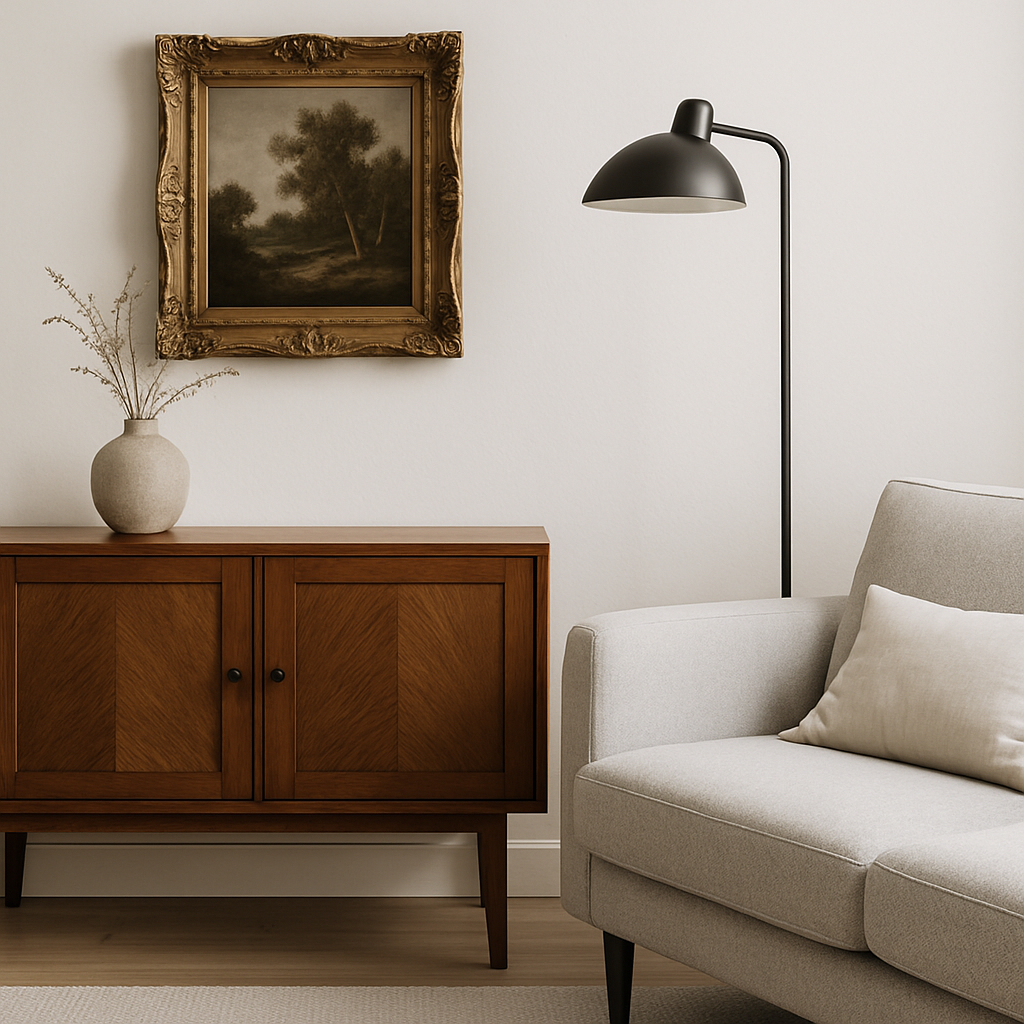
Imagine walking into a room where an elegant mid-century sideboard harmonizes with sleek, contemporary lighting. The juxtaposition of vintage and modern interior design can create spaces that feel both timeless and fresh. According to Houzz's annual survey, homeowners increasingly seek to merge old with new, reflecting a desire for design that tells a story while embracing comfort and innovation. This article will explore foundational concepts of blending styles, delve into deeper analyses supported by data, offer actionable strategies, and provide expert-level insights to achieve a cohesive look. Whether you're a seasoned design enthusiast or just starting, understanding how to balance these aesthetics is key to creating spaces that resonate with history and modernity.
Understanding the Foundations of Vintage and Modern Design
To effectively blend vintage and modern interior design, it's essential to grasp the core elements that define each style. Vintage design typically incorporates pieces from the past, such as antique furniture, retro prints, and distressed finishes. These elements evoke nostalgia and offer a sense of character and depth. On the other hand, modern design emphasizes clean lines, minimalism, and functional forms. By understanding these distinct characteristics, you can begin to see how they might complement each other within a space.
One of the first steps in merging these styles is to identify key focal points. For vintage pieces, this might be a well-preserved Victorian armchair or a 1960s Danish sideboard. Modern design elements could include a sleek glass coffee table or a minimalist light fixture. The key is to pick standout pieces from each style that can serve as anchors in the room. This approach not only highlights the uniqueness of each piece but also allows them to coexist without competition.
It's also crucial to consider the color palette. Vintage design often features warm, muted tones, while modern design leans towards neutral and monochromatic schemes. By selecting a complementary palette, you can ensure that vintage and modern pieces enhance each other's presence rather than clash. This foundational understanding sets the stage for deeper exploration into how these styles can be seamlessly integrated.
Analyzing the Balance: What the Data Shows
According to research conducted by the American Society of Interior Designers (ASID), a balanced blend of vintage and modern elements can significantly impact a home's perceived value. Homeowners report a higher satisfaction rate when their spaces reflect a harmonious combination of old and new. In fact, well-designed interiors that adeptly mix styles can increase property value by 5-15%. This statistic underscores the financial and aesthetic benefits of thoughtful design integration.
The ASID study also highlights that 70% of homeowners who incorporated both vintage and modern elements found their spaces more comfortable and inviting. This comfort stems from the personalized narrative created by blending styles, making a home feel uniquely yours. By weaving together pieces with history and contemporary designs, you create a space that tells a story, offering both visual and emotional appeal.
However, achieving this balance requires careful consideration. Houzz data suggests that the most successful designs maintain a 60-40 ratio, where 60% of the room reflects a dominant style, while the remaining 40% introduces the contrasting aesthetic. This ratio allows for a dominant theme while still providing room for eclectic touches that prevent the space from feeling rigid or overly thematic.
Actionable Strategies for Blending Styles
Are you ready to blend vintage and modern elements in your own home? Begin by assessing your current space. Identify which pieces you already own that align with either vintage or modern aesthetics. From there, consider what additional elements you might need to achieve your desired balance. For example, if your space predominantly features modern furniture, integrate vintage accents such as a classic rug or an antique mirror to add depth.
Next, focus on layering textures. Vintage pieces often bring rich textures like velvet or distressed wood, while modern design favors sleek materials like glass and metal. By combining these textures, you can create a dynamic and inviting space. For instance, pair a vintage leather sofa with a modern steel coffee table. This contrast not only adds visual interest but also highlights the unique qualities of each piece.
Finally, lighting plays a crucial role in integrating styles. Consider using modern lighting fixtures to highlight vintage furniture or vice versa. A contemporary chandelier can bring a vintage dining set into the 21st century, while a retro lamp can add warmth to a modern office. Strategic lighting choices can bridge the gap between eras, making your space cohesive and stylish.
Expert Insights: Crafting a Cohesive Look
Experienced professionals often note that the key to a successful blend of vintage and modern aesthetics is in the details. Pay attention to the small elements that tie a room together, such as hardware and accessories. For example, updating a vintage dresser with sleek, modern handles can instantly refresh its look while maintaining its original charm. Similarly, incorporating contemporary art on the walls can provide a modern counterpoint to vintage furniture.
Another expert tip is to use technology to your advantage. Many designers now employ AR/VR room visualization tools to experiment with different styles in a virtual setting. This technology allows you to see how various pieces will interact in a space before committing to a purchase. By visualizing the space, you can make more informed decisions, ensuring that the final result is both functional and aesthetically pleasing.
Finally, consider enlisting the help of a certified interior designer with NCIDQ (National Council for Interior Design Qualification) credentials. These professionals have the expertise to balance styles and offer insights that might not be immediately apparent. Whether you seek a full redesign or just need guidance on specific elements, their experience can be invaluable in achieving a harmonious blend of vintage and modern design.
Additional Depth: Navigating Challenges
Blending vintage and modern design isn't without its challenges. One common hurdle is scale. Vintage pieces often have different proportions than modern ones, which can make integration tricky. To overcome this, consider the scale of your space and how each piece will fit. For instance, a large vintage armoire might overshadow a modern minimalist sofa if not balanced correctly. Pay attention to the scale to ensure harmony in your design.
Budget can also be a concern when mixing styles. Vintage items can range from affordable flea market finds to high-end antiques. Meanwhile, modern furniture often varies widely in cost depending on design and materials. Establishing a clear budget upfront can help guide your selections and prevent overspending. Consider starting with key investment pieces and gradually building your collection over time.
Lastly, personal taste plays a significant role in design. While trends can provide inspiration, your home should ultimately reflect your personality and lifestyle. Don't be afraid to experiment and make bold choices. After all, the most memorable spaces often arise from a willingness to take risks and express individuality. This fearless approach can lead to a truly unique blend of vintage and modern charm.
Final Perspectives on Timeless Design
As you embark on the journey of blending vintage and modern interior design, remember that patience and creativity are your greatest allies. It may take time to find the perfect combination of pieces, but the result will be a space that is uniquely yours. Consider the stories each piece tells and how they contribute to the overall narrative of your home. This thoughtful approach will ensure a design that stands the test of time.
Reflect on what elements of vintage and modern styles resonate most with you. Is it the nostalgia of a well-loved antique, or the sleek functionality of contemporary design? By identifying what you love about each style, you can create a space that not only looks good but feels right. This personal connection is what truly makes a design timeless.
In conclusion, blending vintage and modern aesthetics is more than a design choice; it's a way to craft a home filled with character and harmony. By understanding foundational concepts, analyzing the balance, implementing actionable strategies, and considering expert insights, you can achieve a space that is both classic and contemporary. Start by exploring design portfolios on platforms like Houzz or Pinterest to gather inspiration and begin planning your unique interior today.



Comments
Post a Comment