How to Blend Functionality and Aesthetics in Interior Architecture Design
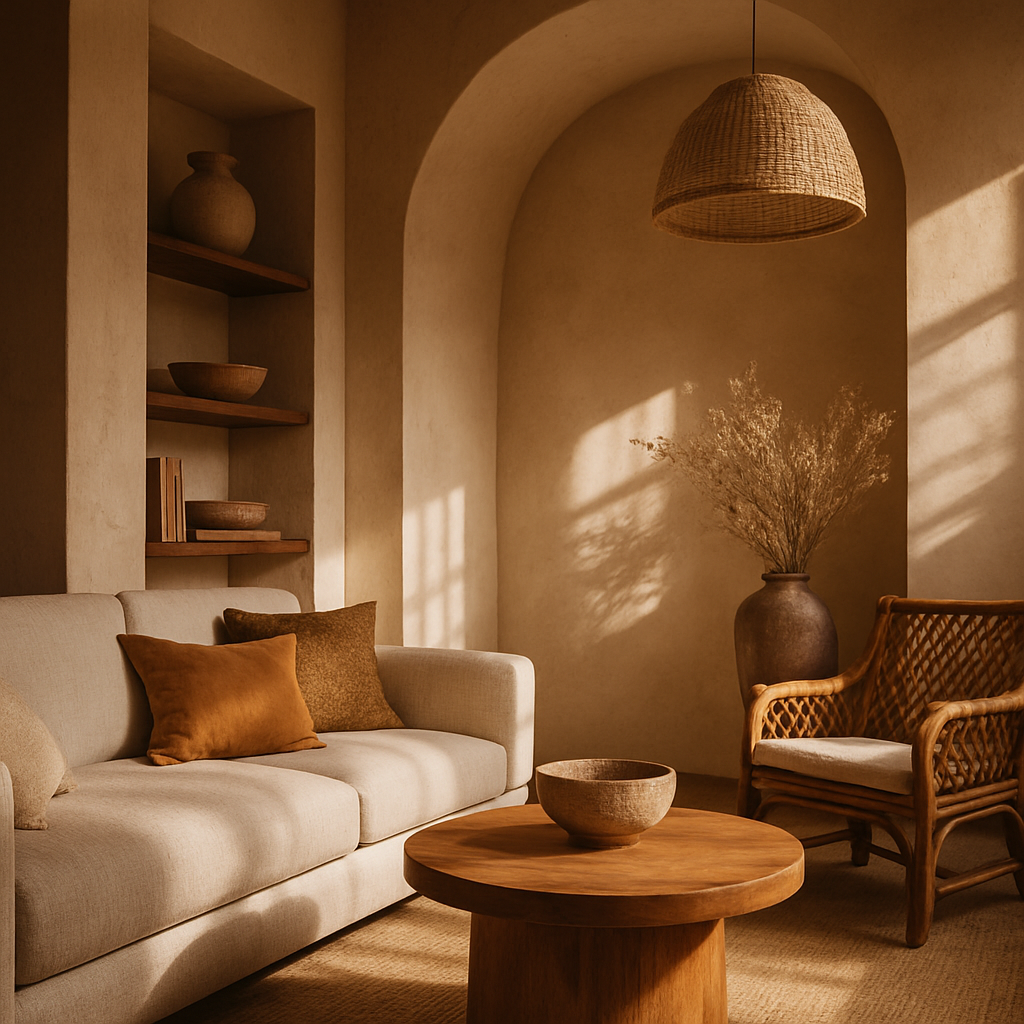
Imagine walking into a room that feels as good as it looks-a seamless blend of functionality and aesthetics that enhances both your living experience and the visual appeal of your space. According to a recent Houzz survey, homeowners who invest in well-thought-out designs can see a 5-15% increase in their home's resale value. This statistic underscores the importance of merging beauty with utility in interior architecture design. In this article, we will explore essential concepts, analyze key data, provide actionable strategies, and delve into expert insights to help you achieve a harmonious balance between form and function in your interior spaces.
Understanding the Foundations of Interior Architecture Design
At its core, interior architecture design is about crafting spaces that are not only visually appealing but also highly functional. The process begins with understanding the fundamental principles of spatial planning and human-centric design. Experienced professionals often note that successful design starts by assessing the needs and habits of the people who will use the space. For instance, a family with young children will require different design considerations compared to a single professional living in a city apartment.
Incorporating elements of functionality involves more than just choosing the right furniture or paint color. It requires a deep understanding of how space is used daily-where natural light falls, the flow of foot traffic, and even where the furniture can serve dual purposes. According to the American Society of Interior Designers (ASID), a well-designed space can significantly enhance productivity, comfort, and overall satisfaction.
Aesthetics, while subjective, are guided by design principles such as balance, contrast, and harmony. As you plan your space, consider how these principles can play into both the visual and functional aspects. For example, symmetry can be pleasing to the eye and also lead to a more organized space. How do you ensure that your designs are not only beautiful but also practical? This question is central to the field of interior architecture design.
The Data-Driven Approach to Design
Data plays a crucial role in informing design decisions, helping to blend aesthetics with functionality effectively. According to Architectural Digest's AD PRO network, utilizing data from surveys and studies can guide designers on current trends and preferences. For instance, a 2024 survey by ASID found that over 70% of homeowners prioritize functionality over aesthetics, yet 90% believe that the two can coexist harmoniously with the right approach.
One example of data-driven design is the increasing popularity of biophilic design, which integrates natural elements into interiors. This trend is not just about aesthetics; it's backed by research indicating that natural materials and greenery can reduce stress and increase well-being. The natural textures and colors also offer a timeless beauty that complements a wide range of styles.
Understanding these trends and statistics allows you to make informed choices. Tools like Houzz provide access to vast databases of project photos and designer portfolios, enabling you to see what others are doing and how you can adapt these ideas to your own space. Are you leveraging the power of data to inform your design choices? If not, now might be the time to start.
Actionable Strategies for Blending Form and Function
To achieve a balance between functionality and aesthetics, start by mapping out the practical needs of each room. Consider how you actually use your spaces: where do you drop your keys, where do the kids do homework, and where do you relax at the end of the day? These insights will guide you in selecting furniture, lighting, and decor that serve a dual purpose.
Consider integrating smart home technologies that enhance both functionality and aesthetics. Automated lighting, climate control, and window treatments can be both visually unobtrusive and highly practical. Platforms like Pinterest can provide inspiration on how to incorporate these technologies seamlessly into your design.
Another strategy is to use multifunctional furniture. Pieces like foldable desks or storage ottomans maximize space without sacrificing style. According to the International Interior Design Association (IIDA), incorporating flexible design elements can significantly improve the usability of smaller spaces. As you plan, think about how each piece of furniture can serve multiple roles.
Expert Insights on Advanced Design Techniques
Experienced interior designers often emphasize the role of color and texture in balancing aesthetics with functionality. A neutral color palette can serve as a versatile backdrop, allowing bolder elements to stand out without overwhelming the space. Additionally, using varied textures can add depth and interest, making a room feel more dynamic and inviting.
Lighting is another critical component. It not only affects the mood and functionality of a space but also highlights its aesthetic features. Layering different types of lighting-ambient, task, and accent-can help create a balanced environment that is both functional and beautiful. The National Council for Interior Design Qualification (NCIDQ) highlights the importance of lighting design in their certification standards, underscoring its importance in the field.
Furthermore, consider the flow between indoor and outdoor spaces. Biophilic design principles suggest incorporating elements like living walls or large windows to create a seamless transition. This approach not only enhances aesthetic appeal but also expands the functional living area. How do you currently integrate outdoor elements into your interior spaces? This question can open up new avenues for design exploration.
Additional Depth: Sustainability in Design
Sustainability is a growing concern in interior architecture design, influencing both aesthetics and functionality. Using sustainable and reclaimed materials not only reduces environmental impact but also adds a unique character to spaces. For example, reclaimed wood can provide a rustic charm while contributing to a more sustainable design approach.
Smart design choices, such as energy-efficient appliances and low-VOC paints, can significantly enhance the functionality of a space while maintaining its aesthetic appeal. The American Institute of Architects (AIA) encourages the use of sustainable practices in design, highlighting their importance in reducing the carbon footprint of buildings. How can you incorporate more sustainable choices into your own design projects?
Moreover, the concept of quiet luxury, characterized by understated elegance and quality materials, aligns well with sustainable design practices. This trend focuses on creating timeless spaces that prioritize quality over quantity, encouraging the use of fewer, but better, materials.
Final Perspectives on Blending Functionality and Aesthetics
Blending functionality with aesthetics in interior architecture design is an ongoing process that requires careful consideration and adaptation. As trends evolve, the fundamental principles of good design remain constant: understanding user needs, leveraging data, and applying expert insights. The integration of new technologies and sustainable practices will continue to shape the future of interior design.
By focusing on both the practical and the beautiful, you can create spaces that not only meet functional requirements but also inspire and delight. Remember, a well-designed space is more than just a showcase; it is a place that enhances the quality of life for those who use it.
Whether you're renovating a single room or designing an entire home, keep the balance between form and function at the forefront of your planning. This mindset will guide you in making choices that are both aesthetically pleasing and highly practical.
Conclusion: Your Next Steps in Design
Incorporating both functionality and aesthetics into your interior architecture design can transform your living spaces into environments that are not only visually stunning but also highly livable. By understanding foundational concepts, analyzing data, implementing actionable strategies, and considering expert insights, you can achieve a harmonious balance that serves your needs and reflects your style.
As you embark on your next design project, start by browsing portfolios on platforms like Houzz and Pinterest. Even 20 minutes of research will sharpen your eye for what you want and need. Consider reaching out to certified professionals with NCIDQ or IIDA credentials for guidance tailored to your specific project.
Ultimately, the journey of design is one of discovery and creativity. As you blend functionality and aesthetics, remember that your space is a reflection of you and your lifestyle. Embrace the process and enjoy creating a home that truly works for you.



Comments
Post a Comment