How to Blend Contemporary Style with Traditional Charm in Interior Design
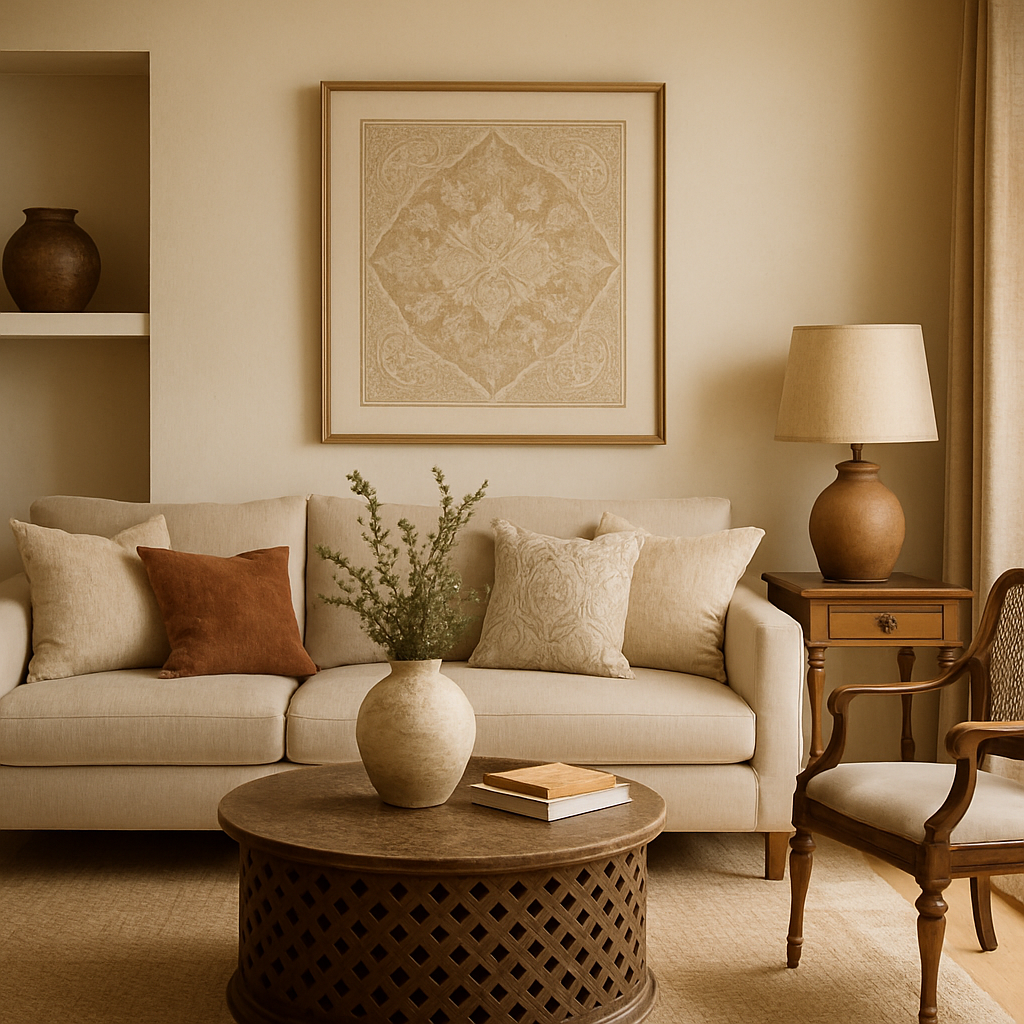
Imagine walking into a home where sleek lines meet vintage elegance, creating a space that feels both fresh and comfortably familiar. According to a Houzz survey, 70% of homeowners want a distinctive style that incorporates both modern and traditional elements. Blending contemporary style with traditional charm is more than just a trend; it's a way to create a unique and personalized home environment. This article will explore foundational concepts, provide a deeper analysis with data, offer actionable strategies, delve into expert-level details, and conclude with additional depth, all to help you master this artful balance in your own space.
Understanding the Basics of Blending Styles
To effectively blend contemporary style with traditional charm in your interior design, it is crucial to first understand the defining characteristics of each. Contemporary design is known for its simplicity, clean lines, and minimalist approach. It often features neutral color palettes, open spaces, and a focus on functionality. In contrast, traditional design is rich with ornate details, classic patterns, and a warm, inviting atmosphere. By recognizing these core elements, you can begin to see how they might interact harmoniously.
A successful blend involves more than just mixing furniture styles; it's about creating a cohesive aesthetic that feels intentional. Start by identifying the key pieces in each style that resonate with you. For contemporary, this could be a streamlined sofa or a piece of abstract art. For traditional, it might be an antique side table or a Persian rug. These anchor pieces will serve as the foundation for your design.
The real challenge-and opportunity-lies in the balance. Think about how these styles will coexist in the same space. Will your contemporary elements serve as the room's focal point, or will the traditional pieces take center stage? This decision will guide your design process, ensuring that the interplay between old and new feels natural rather than forced. With this understanding, you can move forward with confidence into more detailed planning.
The Role of Color and Texture in Style Fusion
Color and texture play pivotal roles in marrying contemporary style with traditional charm. Industry surveys suggest that color schemes involving muted tones and accent colors can effectively bridge the gap between modern and classic aesthetics. For instance, a contemporary neutral palette of whites, greys, and beiges can be enriched with traditional hues like deep reds or navy blues, creating a visually appealing contrast without overwhelming the senses.
Textures are equally significant. Contemporary design often features smooth, sleek surfaces such as polished marble or glass, which can be softened with the inclusion of traditional textiles like velvet or damask. The juxtaposition of these textures adds depth and interest to a space, inviting touch and visual exploration. According to the American Society of Interior Designers (ASID), incorporating varied textures is a key strategy for achieving a well-rounded design.
Consider how these elements can be layered to enhance your interior. A room might feature a contemporary leather sofa accented with traditional patterned cushions, or a sleek modern dining table paired with ornate wooden chairs. By thoughtfully combining color and texture, you establish a dynamic interaction between contemporary and traditional styles. How will you use these elements to tell your story?
Implementing Actionable Design Strategies
With a solid understanding of the styles and the role of color and texture, it's time to consider actionable strategies for blending contemporary style with traditional charm. Experienced professionals often note that starting small can be effective. Focus on one room at a time, which allows you to experiment without feeling overwhelmed. Begin with the living room or a frequently used space where the impact will be most noticeable.
One approach is to introduce contemporary lighting fixtures to highlight traditional architecture. Swap out a classic chandelier for a modern pendant light, or add sleek track lighting to accentuate a traditional fireplace mantel. Lighting not only enhances the mood but also emphasizes the fusion of styles. Houzz data shows that homeowners who update lighting as part of their design projects report higher satisfaction levels.
Furniture selection is another key area. Opt for pieces that straddle both worlds, such as a contemporary coffee table alongside a traditional sofa. Professional designers recommend mixing and matching materials like metal, wood, and glass to achieve a balanced look. By implementing these strategies, you create a space that respects both modern trends and timeless beauty. Are there specific areas in your home where these strategies could be applied?
Diving Deeper with Expert Insights
To gain expert-level insight into blending contemporary style with traditional charm, consider engaging with certified interior designers who hold credentials such as NCIDQ (National Council for Interior Design Qualification). These professionals have the training and experience to navigate complex style integrations and can offer personalized advice tailored to your home's unique architecture and your personal taste.
Many experts suggest using AR/VR room visualization tools to preview how different design elements will work together. This technology allows you to experiment with various layouts, furnishings, and color schemes in a virtual environment before committing financially. The International Interior Design Association (IIDA) acknowledges the growing importance of these tools in achieving client satisfaction.
Additionally, attending design workshops or conferences can provide further learning opportunities. The American Institute of Architects (AIA) often hosts events where you can learn from top designers and see firsthand how they integrate multiple styles. By leveraging these resources, you equip yourself with the knowledge and confidence needed to create a space that is both contemporary and traditionally charming.
Common Challenges and How to Overcome Them
Blending contemporary style with traditional charm comes with its challenges. One common issue is achieving a balanced aesthetic without one style dominating the other. To address this, consider using a unifying element such as a consistent color palette or repeating motifs. This creates a sense of cohesion and ensures that both styles are equally represented.
Budget constraints can also pose a challenge. High-quality traditional pieces can be expensive, and contemporary items from top designers carry a premium. To mitigate costs, prioritize investment pieces that will serve as focal points, such as a statement piece of art or a unique heirloom. Complement these with more affordable contemporary accessories sourced from platforms like Houzz or local artisan markets.
Finally, it's important to be open to evolving your style over time. As trends change and your personal taste develops, your home should reflect these shifts. This flexibility allows for continuous refreshment of your space, keeping it vibrant and engaging. With these challenges addressed, the next step is to consider final perspectives on achieving this blend.
Final Perspectives on Style Integration
Integrating contemporary style with traditional charm is a journey of creativity and expression. It requires a thoughtful approach, a willingness to experiment, and a keen eye for detail. By focusing on balance and harmony, you create a space that feels both innovative and grounded in tradition. This blend can elevate your home's ambiance and even enhance its market value, with well-designed interiors potentially yielding a 5-15% higher resale value.
As you move forward, remember to draw inspiration from diverse sources. Explore platforms like Pinterest and Instagram to see how others have successfully merged these styles. Engage with design communities for feedback and new ideas. How will you incorporate these insights into your design process?
Conclusion: Taking the Next Step
Blending contemporary style with traditional charm in interior design is an art that combines the best of both worlds. By understanding foundational concepts, leveraging color and texture, implementing actionable strategies, and seeking expert insights, you can transform your home into a space that is uniquely yours. Now is the time to take action. Start by browsing portfolios on Houzz this week-even 20 minutes of research will sharpen your eye for what you want. Are you ready to begin your design journey?



Comments
Post a Comment