How to Blend Comfort and Style with Modern Rustic Interior Design Ideas
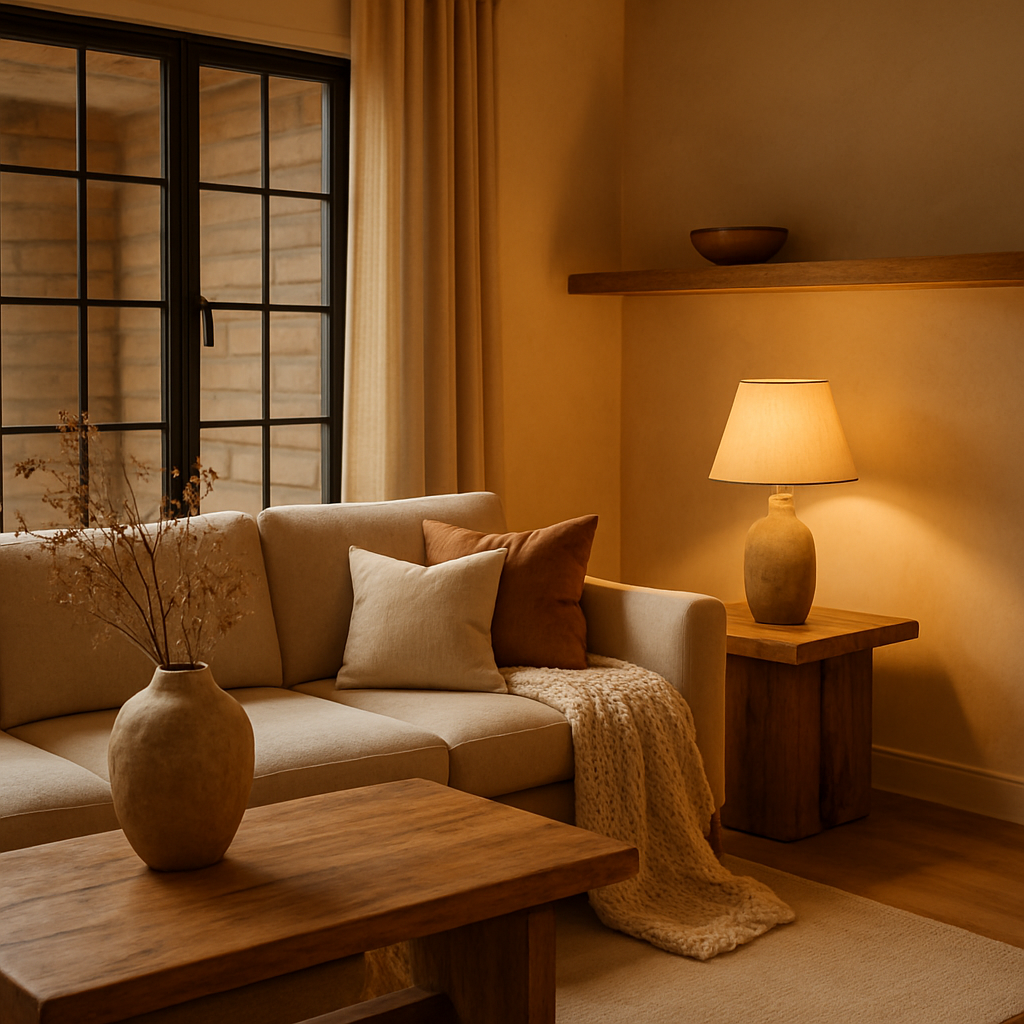
Have you ever stepped into a home and instantly felt the warmth of the space wrap around you, yet noticed the sleekness of modern design at play? This is the allure of modern rustic interior design. According to industry surveys by Houzz, homeowners are increasingly drawn to styles that marry comfort with a contemporary edge, and modern rustic is leading the charge. It's a style that seamlessly combines the cozy, lived-in feel of rustic design with the clean lines and functionality of modern aesthetics. In this article, we'll explore foundational concepts, delve into deeper analyses with data, and provide actionable strategies to help you achieve this style. We'll also offer expert-level detail and additional depth, ensuring you're equipped with all you need to transform your space.
Understanding the Foundations of Modern Rustic Design
At its core, modern rustic design is about creating a space that feels both inviting and stylish. The foundation lies in balancing natural materials with contemporary elements. Think of wood, stone, and leather paired with metal, glass, and concrete. This style celebrates imperfections, such as the natural grain of wood or the patina on metal surfaces, which add character and warmth to a room. A typical modern rustic space might feature reclaimed wood beams, a stone fireplace, and modern furniture with clean lines.
Color schemes in modern rustic design are typically neutral, with a palette that includes whites, grays, and earth tones. This allows for the natural materials to take center stage. Experienced professionals often note that incorporating textures is key to this style's success. For instance, a rough-hewn wooden coffee table paired with a sleek leather sofa creates a tactile contrast that is visually appealing. Furthermore, textiles such as knitted throws or linen curtains add layers of comfort and coziness.
Lighting plays a crucial role in modern rustic design as well. Natural light is ideal, so large windows and open spaces are common. When artificial lighting is necessary, opt for fixtures that blend industrial and rustic styles, such as wrought iron chandeliers or pendant lights with Edison bulbs. By understanding these foundational elements, you're better prepared to create a harmonious blend of comfort and style in your home.
Data-Driven Insights on Modern Rustic Popularity
Why is modern rustic design gaining momentum among homeowners? According to Houzz's annual survey, over 40% of homeowners who renovated in the past year opted for styles that included rustic elements. This trend is largely driven by a desire for homes that offer both aesthetic appeal and livability. The survey also indicated that spaces designed with modern rustic principles tend to have higher homeowner satisfaction, with respondents citing warmth and comfort as key benefits.
Another compelling statistic is the impact of well-designed interiors on home value. Research by ASID (American Society of Interior Designers) suggests that homes with appealing interiors can command 5-15% higher resale values. Modern rustic design, with its broad appeal, can be a strategic choice for those looking to enhance their home's marketability. The style's mix of timeless materials and contemporary flair ensures it remains attractive to a wide audience.
Financial considerations also play a role. The cost to implement modern rustic design can vary widely, depending on the scope and materials used. Homeowners might spend between $5,000 and $15,000 on a single room redesign, while full-home projects can range from $50,000 to $150,000 or more. With such investments, understanding the potential return through increased home value and personal satisfaction is crucial. This data underscores the importance of thoughtful design choices in modern rustic interiors.
Actionable Strategies for Implementing Modern Rustic Design
Ready to transform your space? Start by mapping out how you actually use each room. Identify areas that could benefit from the comfort and aesthetics of modern rustic design. For instance, where do you drop your keys, where do the kids do homework, and where do you unwind at the end of the day? This practical approach ensures your design choices are both functional and stylish.
Next, consider incorporating biophilic design elements, which integrate natural materials and plants to enhance indoor-outdoor flow. This might involve adding indoor plants or using natural stone in flooring or countertops. Biophilic design not only aligns with modern rustic aesthetics but also promotes well-being. Research has shown that incorporating natural elements can reduce stress and improve air quality, making your home a healthier place to live.
Finally, don't overlook the power of technology in modern rustic design. Smart home integration, such as automated lighting and climate controls, can enhance the functionality of your space without compromising its rustic charm. For instance, automated window treatments can help manage natural light levels throughout the day, preserving the ambiance of your home while maximizing energy efficiency.
Expert Tips for Achieving Modern Rustic Elegance
For those seeking expert insights, the NCIDQ (National Council for Interior Design Qualification) offers a wealth of resources for certified designers. These professionals emphasize the importance of quality over quantity in modern rustic spaces. Choosing fewer, well-crafted pieces can make a stronger impact than overcrowding a room with decor. For instance, a single statement piece like a vintage leather armchair can serve as a focal point in a living room.
Another tip is to embrace sustainable materials, which are a hallmark of modern rustic design. Reclaimed wood, recycled metals, and eco-friendly textiles not only support environmental goals but also add unique character to your home. The IIDA (International Interior Design Association) notes that sustainability is increasingly important to consumers, with many prioritizing eco-friendly options when decorating their homes.
Finally, consider using AR/VR room visualization tools to experiment with different layouts and styles before making any permanent changes. These tools allow you to virtually "try out" various design concepts, ensuring your final choices align with your vision. By leveraging technology, you can confidently make decisions that reflect both your personal taste and modern rustic principles.
Diving Deeper into Modern Rustic Design Elements
When exploring modern rustic design, it's crucial to delve into the specific elements that define the style. For example, flooring choices such as wide-plank hardwood or polished concrete can set the tone for the entire room. These materials provide a sturdy foundation while complementing both rustic and modern decor. Are you considering a flooring update in your home? The choice of material can dramatically impact the overall ambiance.
Wall treatments are another area where the rustic meets modern. Shiplap and exposed brick bring texture and history to a space, while a fresh coat of white or neutral paint keeps the look contemporary. Mixing and matching these elements can create a balanced and inviting atmosphere. As you consider wall treatments, think about how they interact with the other design elements in the room.
Furniture selection is equally important. Opt for pieces that combine clean lines with natural materials. A dining table made of reclaimed wood paired with sleek metal chairs offers a perfect example of modern rustic harmony. This blend not only looks stunning but is also practical for everyday use. By focusing on these core elements, you can create a cohesive and stylish modern rustic environment.
Final Perspectives on Modern Rustic Design
As you embark on your modern rustic design journey, remember that personalization is key. While guidelines and trends provide direction, the most successful spaces reflect the personality and lifestyle of their inhabitants. Have you considered how your personal tastes can be integrated into this style? Take the time to identify specific elements that resonate with you, whether it's a color palette, a type of wood, or a particular piece of art.
Another important perspective is the evolution of the style over time. Modern rustic design is not static; it adapts to incorporate new materials and technologies while retaining its core principles. This flexibility allows for continuous innovation and creativity, ensuring that your space remains fresh and engaging.
Ultimately, modern rustic design is about creating a home that is both beautiful and functional. By focusing on the interplay of comfort and style, you can achieve a space that is uniquely yours. Consider how each design choice, from materials to technology, contributes to this balance, and let your creativity guide you.
Conclusion
Modern rustic interior design offers a compelling blend of comfort, style, and functionality. By understanding its foundational elements, leveraging data-driven insights, and implementing expert strategies, you can transform your home into a warm and stylish haven. As you begin your design project, ask yourself: What elements of modern rustic design resonate with me, and how can they enhance my living space?
Ready to get started? Begin by exploring designer portfolios on platforms like Houzz this week - even 20 minutes of research will sharpen your eye for what you want. With the right guidance and inspiration, you can create a home that not only meets your needs but also reflects your personal style. Embrace the journey of blending comfort with style, and watch your space come to life.


Comments
Post a Comment