How to Achieve a Cozy Yet Stylish Modern Interior Design Aesthetic
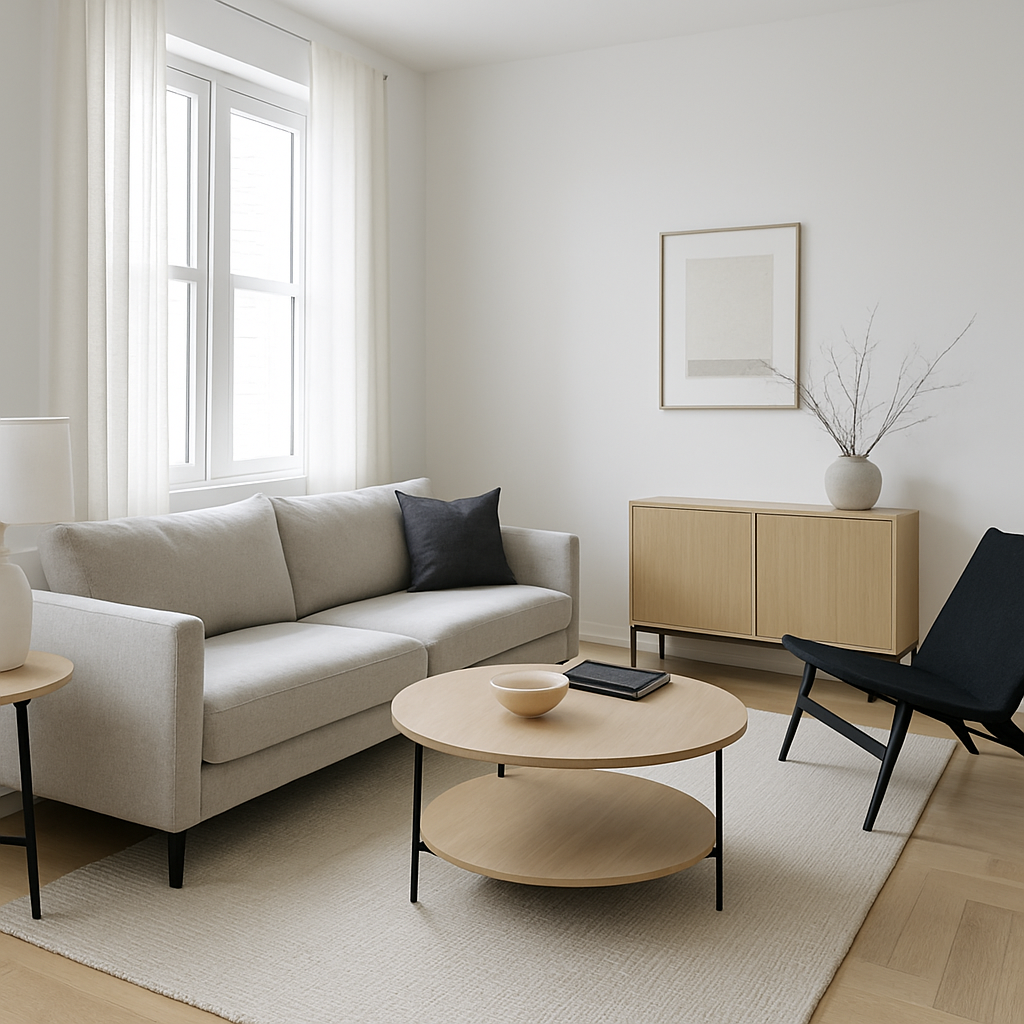
Imagine walking into a room that effortlessly combines comfort with cutting-edge style. According to the American Society of Interior Designers (ASID), a well-executed modern interior design can increase your home's resale value by 5-15%. But how do you achieve a balance between cozy and stylish without sacrificing one for the other? In this article, we'll explore the foundational concepts of modern interior design, analyze current trends with supporting data, and provide actionable strategies to transform your space. Whether you're working with a certified designer or tackling the project on your own, this guide offers expert insights and practical advice tailored for today's aesthetic preferences.
Understanding the Foundations of Modern Interior Design
At its core, modern interior design emphasizes simplicity, functionality, and a connection to the natural world. The use of clean lines, neutral color palettes, and minimalistic furniture are hallmarks of this style. Modern design often incorporates open spaces that flow seamlessly from one area to another, which can make even the smallest home feel spacious and inviting. A key element is the intentional use of space, focusing on how each room is used daily, from where the morning coffee is brewed to the nook where evening books are read.
The concept of "form follows function" is paramount in modern design. This means that every piece of furniture and decor should serve a purpose, enhancing the room's utility while contributing to its aesthetic appeal. According to the International Interior Design Association (IIDA), many homeowners are now opting for multi-functional furniture, such as ottomans with storage or foldable desks, to maximize their living spaces in practical yet stylish ways.
Material selection is another cornerstone of modern interior design. The use of natural materials like wood, stone, and leather not only adds texture but also brings warmth to a modern setting. This is particularly important in achieving a cozy atmosphere. As you consider your design choices, ask yourself: which materials will both complement my home's architecture and meet my family's everyday needs? This foundational understanding of modern design sets the stage for a deeper dive into current trends and actionable strategies.
Exploring Current Trends in Modern Interior Design
In 2026, the trend of biophilic design continues to gain traction, emphasizing the connection between interior spaces and the natural environment. This approach integrates natural elements like living walls, indoor plants, and large windows that invite outdoor views inside. According to Houzz's annual survey, homeowners report increased satisfaction when their living spaces incorporate natural elements, with 75% noting improvements in mood and productivity.
The concept of "quiet luxury" is another trend shaping modern interiors. Rather than ostentatious displays of wealth, this trend focuses on understated elegance with high-quality materials and craftsmanship. Think of plush fabrics, bespoke furniture, and timeless pieces that speak volumes through their simplicity and quality. Experienced professionals often note that investing in a few key luxurious items can elevate the entire space without overwhelming it.
Furthermore, smart home integration is becoming a staple in modern design. Automated lighting, climate control, and window treatments not only enhance convenience but also add a futuristic edge to interior aesthetics. The National Council for Interior Design Qualification (NCIDQ) recommends incorporating these technologies thoughtfully, ensuring they blend seamlessly with the overall design rather than standing out as mere gadgets. As these trends illustrate, modern design is as much about incorporating new technologies and ideas as it is about maintaining a connection to tradition and nature.
Implementing Actionable Strategies for a Cozy Yet Stylish Interior
Creating a cozy yet stylish modern interior requires deliberate planning and execution. Begin by defining the function of each space. Is your living room primarily for entertaining guests or for family movie nights? Your answer will guide your furniture and layout choices. For instance, a sectional sofa might be ideal for a family-focused space, while individual seating could better serve a room meant for conversation.
Next, consider your color palette. Modern design often relies on neutral tones such as whites, grays, and beiges, but don't shy away from adding pops of color. A strategically placed rug or piece of artwork can add warmth and personality to an otherwise minimalist room. According to Architectural Digest, incorporating color thoughtfully not only enhances visual interest but also contributes to a room's coziness.
Lighting is another crucial component. Layered lighting, which includes a mix of ambient, task, and accent lighting, can dramatically transform a space. Choose fixtures that complement your design aesthetic while ensuring they provide adequate illumination. Remember, the goal is to create a warm and inviting atmosphere, so consider dimmable lights for flexibility. By using these strategies, you can achieve a balance between style and comfort, ensuring your modern interior feels like home.
Expert Tips for Elevating Your Interior Design
For those looking to elevate their design, consider integrating sustainable and reclaimed materials into your home. Not only do these materials reduce environmental impact, but they also add unique character to your space. From reclaimed wood beams to recycled glass tiles, these elements can serve as conversation starters while aligning with modern design's emphasis on sustainability.
Another expert tip is to leverage technology for visualization. Tools like AR/VR room visualization software enable you to virtually experiment with different layouts, color schemes, and furnishings before making any physical changes. This can save both time and money, allowing you to make more informed decisions. As noted by many in the industry, these tools are becoming essential in the planning stages of design projects.
Finally, consider working with a credentialed interior designer who holds NCIDQ, ASID, or IIDA credentials. These professionals bring a wealth of experience and industry knowledge that can help you navigate complex design challenges. While their services may come at a premium, typically ranging from $150 to $500 per hour, the investment often pays off in a more cohesive and well-executed design. With these expert insights, you're well-equipped to take your modern interior to the next level.
Additional Considerations for Your Design Journey
When embarking on your design journey, budget considerations are paramount. According to industry surveys, a single room redesign can cost between $5,000 and $15,000, while a full-home project might range from $50,000 to $150,000 or more. It's crucial to establish a clear budget upfront and prioritize your spending based on which areas of your home will have the most impact.
Also, remember to account for the project phases: concept development, design presentation, procurement, installation, and styling. Each phase requires careful planning and coordination. This is where a detailed timeline can be invaluable, helping you stay on track and avoid costly delays. Are you prepared to manage these phases yourself, or will you enlist the help of a professional?
Lastly, be open to evolving your design over time. Trends shift, and your personal tastes may change. Viewing your home as a living space that grows with you allows for ongoing updates and improvements. This perspective not only keeps your home feeling fresh but also ensures it continues to meet your lifestyle needs. As we move into the final perspectives, we'll reflect on how to maintain this balance over the long term.
Maintaining Balance in Modern Interior Design
After implementing your design, maintaining the balance between cozy and stylish is an ongoing endeavor. Regularly reassess your space, keeping an eye out for clutter or areas that feel out of sync with the rest of your home. Simplifying and editing your decor can help maintain the sleek lines and open spaces characteristic of modern design.
Consider rotating art and decor pieces seasonally. This not only refreshes your space but also allows you to incorporate seasonal colors and textures without committing to permanent changes. This adaptability ensures that your interior remains vibrant and engaging year-round.
Finally, continue to seek inspiration. Platforms like Instagram and Pinterest are treasure troves of ideas, offering glimpses into how other homeowners and designers are interpreting modern design. Engaging with these communities can spark new ideas and keep your design fresh. As you embrace these strategies, remember that your home should ultimately reflect your personality and lifestyle.
Conclusion: Your Path to a Stylish and Cozy Home
Achieving a cozy yet stylish modern interior design aesthetic is a rewarding process that combines thoughtful planning with creative expression. By understanding foundational concepts, exploring current trends, and implementing actionable strategies, you can create a home that is both beautiful and functional. Remember to consider expert tips, budget wisely, and maintain flexibility in your design approach.
Are you ready to transform your living space? Start by browsing portfolios on Houzz this week - even 20 minutes of research will sharpen your eye for what you want. As you embark on this journey, remember that the most important aspect of design is creating a space that feels like home to you and your loved ones.



Comments
Post a Comment