How Online Interior Design is Revolutionizing Home Makeovers in 2023
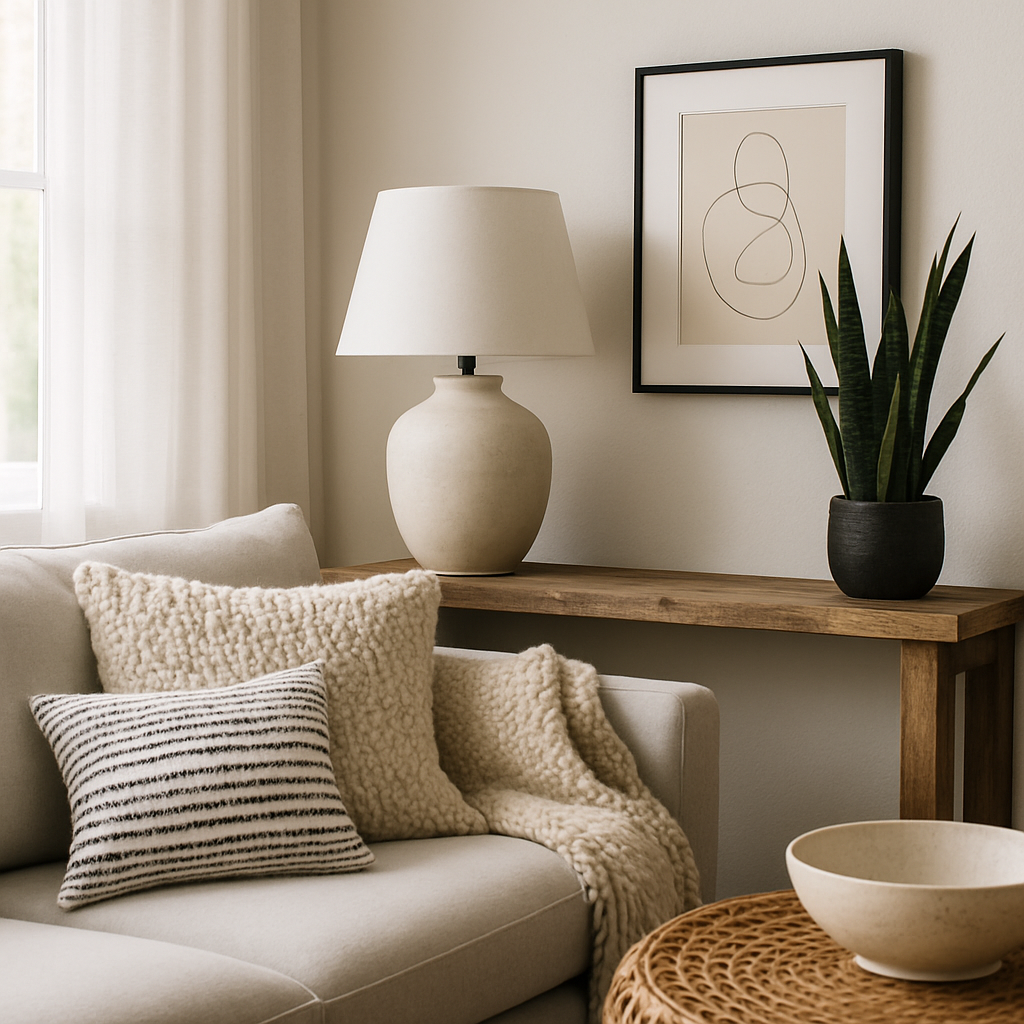
Have you ever felt overwhelmed by the thought of redesigning your home? You're not alone. In 2023, online interior design is changing the game, offering innovative solutions that make home makeovers more accessible and personalized than ever before. This shift is largely driven by technology, which enables homeowners to connect with professional designers from anywhere in the world. In this article, we'll explore how online interior design is revolutionizing home transformations. We'll cover foundational concepts, delve into data-driven insights, provide actionable strategies, offer expert-level details, and conclude with some final perspectives to guide your design journey.
The Foundations of Online Interior Design
At its core, online interior design combines the expertise of certified designers with digital tools to create customized design plans remotely. As opposed to traditional in-person consultations, this approach relies on virtual meetings, often via video calls, to discuss client needs and preferences. Platforms like Houzz and Decorilla have capitalized on this model, offering services that connect users with designers who are skilled in using digital visualization tools. This shift allows for more flexibility and convenience, enabling clients to engage with professionals without geographic limitations.
One of the primary benefits of online interior design is cost efficiency. Traditional design services can be expensive, with fees ranging from $150 to $500 per hour. Online options often provide flat-rate packages that can be more affordable. For instance, Decorilla offers packages starting at $449 for a complete room design. This democratization of design makes professional advice accessible to a wider audience, allowing more homeowners to benefit from expert guidance without breaking the bank.
Moreover, the online model caters to a tech-savvy clientele that values convenience and speed. With tools like AR/VR room visualization, clients can now see potential designs in a realistic 3D format before committing to any purchases. This innovation reduces guesswork and increases satisfaction, aligning the final outcome more closely with the client's vision. As we move forward, it's clear that technology will continue to play a pivotal role in shaping the future of home design.
The Impact of Data and Trends in Online Design
Data-driven insights are becoming a cornerstone of online interior design. According to industry surveys by Houzz, homeowners who engage with online design services report higher satisfaction rates, noting that the convenience and variety of options significantly enhance their overall experience. These findings suggest a growing trend towards integrating data analytics into design practices, allowing designers to tailor their approaches based on user preferences and market trends.
One of the standout trends in 2023 is the rise of biophilic design, which incorporates natural elements into living spaces. This approach not only enhances aesthetic appeal but also contributes to improved well-being by fostering a connection to nature. Online platforms are increasingly offering this design style, with many clients opting for sustainable and reclaimed materials. The use of these materials aligns with broader societal shifts towards sustainability, a factor that is becoming increasingly important to consumers.
Quiet luxury and understated elegance are also gaining traction, as homeowners seek to create spaces that reflect a sense of calm and timelessness. This trend is supported by data from Architectural Digest's AD PRO, which highlights a shift away from ostentatious displays towards more subtle, refined aesthetics. By leveraging these insights, online designers can provide solutions that are both current and timeless, ensuring that their designs remain relevant for years to come. As we delve deeper into actionable strategies, consider how these trends might influence your own design choices.
Actionable Strategies for Engaging with Online Design
If you're considering an online interior design service, start by defining your goals. What do you hope to achieve with your redesign? Are you looking to increase functionality, enhance aesthetic appeal, or perhaps boost your home's resale value? By clarifying your objectives, you'll be better positioned to communicate your needs to a designer effectively. Experienced professionals often note that clear communication is key to a successful partnership.
Next, research potential platforms and designers. Websites like Houzz offer extensive portfolios and client reviews, which can help you gauge a designer's style and expertise. It's crucial to choose a professional whose vision aligns with your own. Consider checking credentials as well-designers with NCIDQ (National Council for Interior Design Qualification) certification or membership in organizations like ASID (American Society of Interior Designers) are typically more reliable.
Lastly, take advantage of free consultations. Many online design services offer initial consultations at no cost, providing an opportunity to discuss your project and get a feel for the designer's approach. Use this time to ask questions and ensure that you're comfortable with the proposed process. Are there specific design elements you can't live without? What's the projected timeline for your project? These consultations are invaluable for setting expectations and ensuring a smooth design journey. As we move into expert-level details, think about how these strategies can be applied to your situation.
Expert-Level Insights into Online Design Tools
As the online interior design industry expands, so does the range of tools available to designers and clients alike. One such tool is the AR/VR room visualization technology, which allows users to immerse themselves in a virtual representation of their space. This technology is particularly beneficial during the concept development phase, enabling clients to experience different layouts and styles before making concrete decisions.
Furthermore, platforms like Pinterest and Instagram are invaluable resources for inspiration and idea sharing. Designers often use these platforms to showcase their work, providing clients with a visual library to draw from. This not only aids in the design process but also empowers clients to articulate their preferences more clearly. Have you ever found it challenging to describe the style you want? Using these visual tools can help bridge that gap.
For professionals, software like AutoCAD and SketchUp remain essential for creating detailed design plans. These programs allow designers to draft precise layouts and render realistic models, ensuring that every element is accounted for. As you explore online design services, inquire about the tools your designer uses. Understanding their process can provide peace of mind and foster a more collaborative relationship. In the next section, we'll dive into additional depth, examining the broader implications of these innovations.
Additional Depth: The Broader Implications of Online Design
The rise of online interior design has broader implications for the industry as a whole. One significant impact is the increased accessibility of professional design services. By removing geographical barriers, online platforms enable designers to reach a global audience, diversifying their client base and expanding their influence. This democratization of design not only benefits clients but also encourages designers to innovate and adapt to a broader array of styles and preferences.
Moreover, the integration of smart home technology is becoming a standard feature in many online design projects. From automated lighting and climate control to advanced security systems, these innovations enhance functionality and convenience. For homeowners, this means a more seamless living experience that aligns with contemporary lifestyle demands. Are you considering incorporating smart technology into your home? As more designers become proficient in this area, the possibilities are expanding.
Finally, the emphasis on sustainability is reshaping how designers approach projects. As consumers become more environmentally conscious, demand for eco-friendly materials and practices is increasing. This trend is reflected in the growing popularity of designs that prioritize energy efficiency and minimal environmental impact. By choosing sustainable options, you not only contribute to environmental conservation but also create a healthier living environment. As we conclude, consider how these broader trends might influence your design decisions.
Final Perspectives on the Future of Online Design
Looking forward, the future of online interior design appears bright, with technology continuing to drive innovation and accessibility. As more homeowners embrace digital platforms, the industry is poised to evolve, offering even more personalized and efficient design solutions. This ongoing transformation is supported by a growing community of designers who are eager to leverage new tools and techniques to enhance their services.
For those considering a home makeover, the benefits of online design are clear. From cost savings and convenience to a wider array of style options, this approach offers a compelling alternative to traditional methods. It's an exciting time to explore how online design can meet your needs, whether you're updating a single room or undertaking a full-home renovation.
As you contemplate your next steps, remember that the key to a successful design project lies in collaboration and communication. By engaging actively with your designer and embracing the tools at your disposal, you can transform your space into a reflection of your personal style and lifestyle. Ready to begin your design journey? In our conclusion, we'll outline the steps you can take to start your project today.
Conclusion: Embrace the Revolution of Online Interior Design
In conclusion, online interior design is revolutionizing the way we approach home makeovers in 2023. With its blend of technology, expert guidance, and convenience, it offers a dynamic solution for modern homeowners. Whether you're drawn to the cost-effective packages, the flexibility of remote consultations, or the innovative tools that bring your vision to life, the advantages are clear.
As you consider your next home project, take the time to explore the online design options available. Start by browsing portfolios on platforms like Houzz and Decorilla this week. Even 20 minutes of research will sharpen your eye for what you want and help you identify the right designer for your needs. Embrace the possibilities of online interior design and transform your space into a haven that truly reflects you.


Comments
Post a Comment