How the Interior Design Handbook Revolutionizes Modern Home Aesthetics
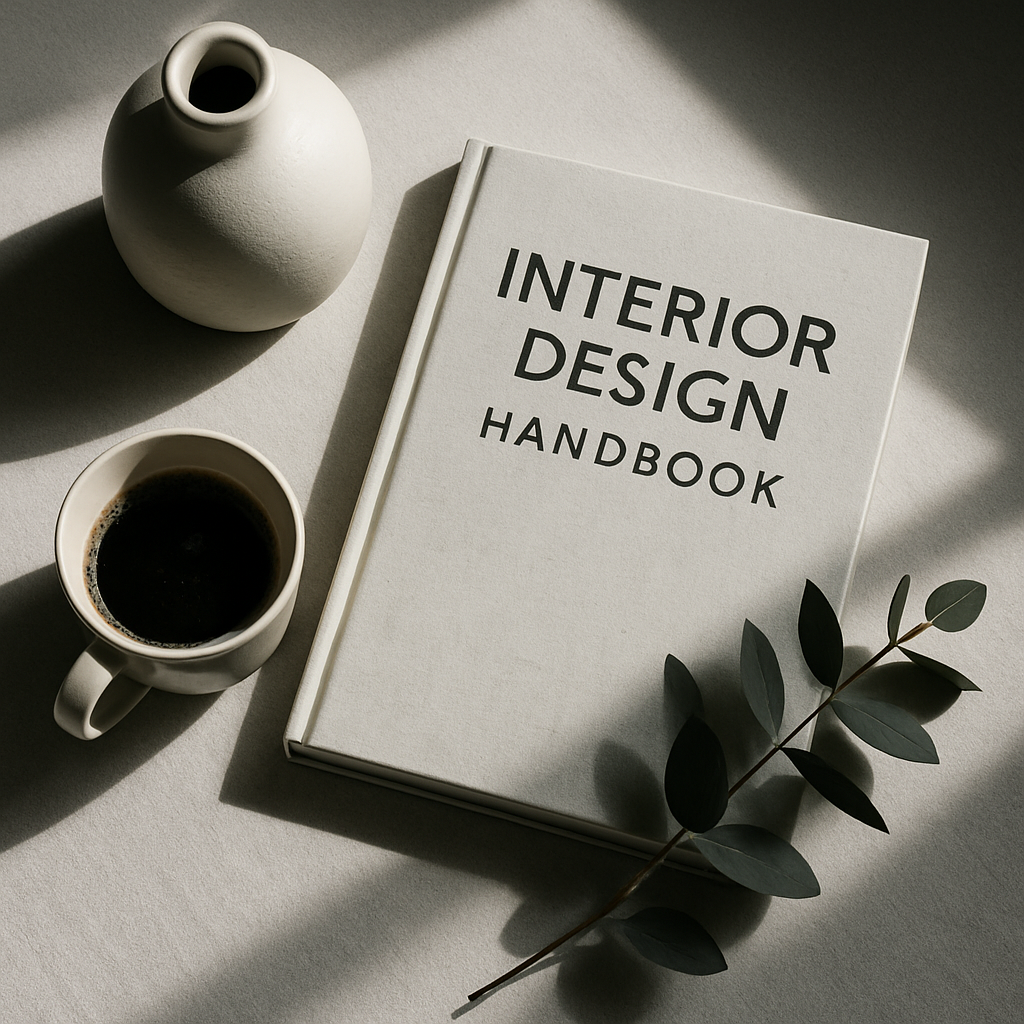
Have you ever walked into a room and felt an immediate sense of peace and harmony? According to industry surveys, over 70% of homeowners believe that the right interior design can significantly enhance their quality of life. The "Interior Design Handbook" has emerged as a groundbreaking resource in this realm, offering a fresh perspective on creating aesthetically pleasing spaces. This article explores foundational concepts within the handbook, provides a deeper analysis with data, offers actionable strategies, and delves into expert-level details. It also highlights additional insights to enrich your understanding and culminates with final perspectives to guide your next steps in transforming your own home.
Foundational Concepts in Modern Interior Design
The "Interior Design Handbook" is not just a compilation of design ideas; it lays the groundwork for understanding the core principles that underpin modern home aesthetics. At its heart is the concept of biophilic design, which emphasizes natural materials and the integration of outdoor elements within indoor spaces. This design philosophy is rooted in the belief that human connection to nature enhances well-being and productivity. By incorporating elements like living walls or strategically placed greenery, you can create a more harmonious living environment.
Additionally, the handbook addresses the importance of spatial planning, which involves a strategic layout that optimizes the flow and function of a space. Experienced professionals often note that mapping out how you actually use each room-like where you drop your keys or where the kids do homework-can dramatically improve both functionality and aesthetics. This approach ensures that every part of your home is not only beautiful but also serves a practical purpose.
Lastly, the handbook introduces the concept of quiet luxury, which focuses on understated elegance and high-quality materials. This trend, characterized by subtle sophistication, encourages the use of neutral palettes, luxurious textures, and bespoke furnishings. By understanding these foundational concepts, you can begin to see how the handbook revolutionizes modern home aesthetics, setting the stage for deeper insights.
As we delve deeper, it's important to understand how these principles translate into tangible improvements and what data supports these transformations.
Analyzing the Impact with Data
In recent years, data has become a powerful tool in validating the efficacy of modern interior design principles. According to Houzz's annual survey, homeowners who invested in high-quality interior design reported a 15% increase in overall satisfaction with their living spaces. This statistic underscores the tangible benefits of applying the principles outlined in the "Interior Design Handbook." Moreover, the survey highlighted that well-designed interiors could increase a home's resale value by 5-15%, a significant return on investment for any homeowner.
The handbook also emphasizes the role of technology in modern design, particularly the use of AR/VR tools for room visualization. These advanced technologies allow homeowners to preview design changes before making a commitment, reducing the risk of dissatisfaction and costly redesigns. According to Architectural Digest's AD PRO network, over 60% of professional designers now incorporate AR/VR technology in their presentations, illustrating its growing importance in the industry.
Furthermore, the handbook provides insights into sustainable design practices, which are increasingly in demand. Industry data suggests that 80% of millennials are willing to pay more for sustainable products, highlighting a significant shift in consumer priorities. By integrating reclaimed materials and energy-efficient designs, the handbook not only enhances aesthetics but also aligns with broader environmental goals. With these data points in mind, let's explore actionable strategies that you can implement in your own home.
With the foundational concepts and supporting data in hand, you're ready to transform theory into practice with actionable insights.
Actionable Strategies for Your Home
Implementing the strategies from the "Interior Design Handbook" can be both exciting and rewarding. One of the most accessible ways to start is by embracing the Japandi style, a harmonious blend of Japanese minimalism and Scandinavian warmth. This trend focuses on simplicity, functionality, and the use of natural materials. Begin by decluttering your space and selecting a few key pieces that offer both form and function, such as a sleek wooden coffee table or a minimalist lighting fixture.
Another strategy is to incorporate smart home technologies that align with modern design aesthetics. Automated lighting, climate control, and window treatments not only add convenience but also enhance the overall ambiance of your home. According to ASID (American Society of Interior Designers), homes with integrated smart technologies are increasingly sought after, providing both functional benefits and aesthetic appeal.
Moreover, consider the layout and flow of your home. Rearranging furniture to create a more open and inviting space can have a profound impact. Use rugs to define spaces and guide movement, and ensure that your furnishings are appropriately scaled to the room's dimensions. These small changes can make your home more comfortable and visually appealing. As we move forward, let's delve into expert-level details that can further refine your design approach.
By applying these strategies, you can begin to see an immediate transformation in your home's aesthetic. Next, we'll explore some expert-level details to take your design to the next level.
Expert-Level Details to Enhance Design
For those seeking to elevate their interior design skills, the "Interior Design Handbook" offers a wealth of expert-level insights. One such detail is the use of color theory to influence mood and perception. Color can drastically alter the feel of a space; for instance, cool tones like blues and greens can create a calming atmosphere, while warm tones like reds and oranges can energize a room. Experienced professionals recommend testing colors in different lighting conditions before making a final selection.
Another nuanced detail is the strategic use of texture to add depth and interest to a room. Combining various materials such as velvet, leather, and wood can create a rich, layered look that enhances visual appeal. The IIDA (International Interior Design Association) suggests using texture to highlight architectural features or to create focal points within a space.
Furthermore, the handbook emphasizes the importance of personalizing your design. Incorporating personal items such as family heirlooms, travel mementos, or custom artwork can make a space feel truly unique and reflective of your personality. This personal touch not only enhances aesthetics but also creates a more meaningful connection to your home. As you consider these expert details, let's explore additional insights that can further enrich your design journey.
With these expert insights, you're well on your way to mastering the art of modern interior design. Let's now delve into additional dimensions that can further deepen your understanding.
Additional Depth: Exploring Further Dimensions
The "Interior Design Handbook" encourages exploring various dimensions of design, including cultural influences and historical contexts that can inform your aesthetic choices. For example, incorporating elements from different cultures can add a layer of sophistication and intrigue to your design. Whether it's using Moroccan tiles for a backsplash or incorporating Japanese shoji screens, these elements can enrich your home's narrative.
Additionally, the handbook highlights the growing trend of multi-functional spaces, which is particularly relevant in urban living environments. Designing spaces that can serve multiple purposes, such as a home office that doubles as a guest room, maximizes utility without sacrificing style. According to NCIDQ (National Council for Interior Design Qualification), designing with flexibility in mind is a hallmark of modern interior design.
Finally, the handbook emphasizes the importance of continuous learning and adaptation. As trends evolve, staying informed about new materials, technologies, and design philosophies is crucial. Engaging with platforms like Houzz for visual inspiration or attending local AIA (American Institute of Architects) chapter events can provide valuable insights and keep your design approach fresh. Armed with this additional depth, you're well-equipped to tackle any design challenge.
With a deeper understanding of these additional dimensions, you're ready to integrate these insights into your own home design. Let's wrap up with final perspectives to guide your ongoing journey.
Final Perspectives on Modern Home Aesthetics
As you consider how the "Interior Design Handbook" can transform your home, it's important to remember that successful design is a journey, not a destination. The handbook provides a comprehensive roadmap, but your personal experiences and preferences ultimately shape the final outcome. Reflect on how each space functions and feels, and don't be afraid to make adjustments as your needs evolve.
The integration of design principles with modern technology, such as smart home systems and AR/VR tools, represents a significant advancement in the field. These innovations not only enhance convenience and efficiency but also offer new possibilities for creativity and personalization. By embracing these tools, you can create a living environment that truly reflects your lifestyle.
Finally, consider the impact of your design choices on both your immediate environment and the broader community. Sustainable practices, cultural sensitivity, and personal touches all contribute to a design that is not only aesthetically pleasing but also deeply meaningful. By applying these final perspectives, you can ensure that your home remains a source of inspiration and comfort for years to come.
With these closing thoughts, you're equipped to embark on your own design journey. Ready to start? Begin by exploring portfolios on platforms like Houzz or reaching out to certified interior designers for a consultation. Even 20 minutes of research can significantly sharpen your vision for your home.



Comments
Post a Comment