How Interior Design Games Can Enhance Your Home Decor Skills
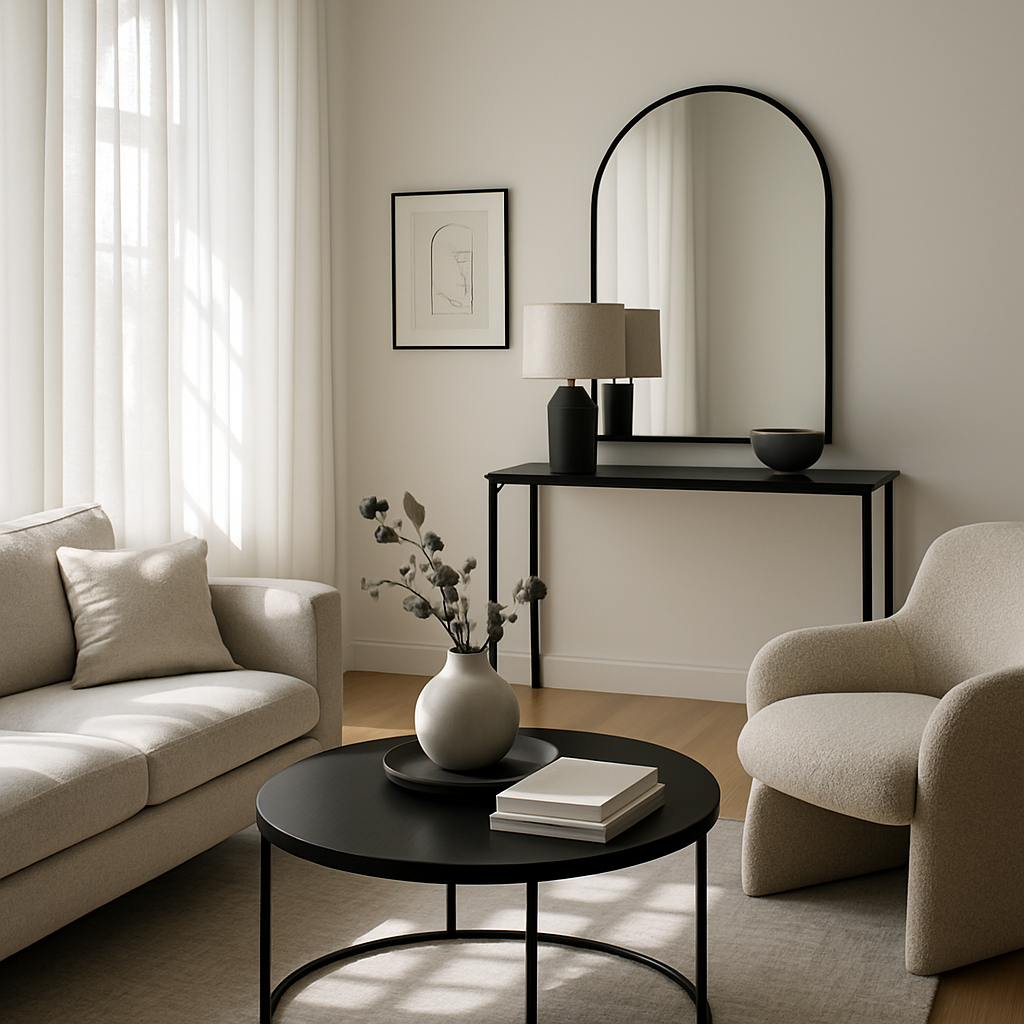
Imagine transforming your living space with the expertise and confidence of a seasoned interior designer, all from the comfort of your home. This might sound like a fantasy, but thanks to the rise of interior design games, it's becoming an accessible reality. These interactive platforms are not just for entertainment; they are powerful tools that can significantly enhance your home decor skills. Whether you're a DIY enthusiast or a budding designer, playing these games can provide practical insights and inspiration. In this article, we'll explore how these games lay a solid foundation in design principles, dive into the data showing their effectiveness, provide actionable strategies to maximize their benefits, and offer expert-level details to refine your approach. Let's unpack how a virtual experience can transform your real-world spaces.
Understanding the Foundations of Design Through Games
Interior design games are more than just digital escapism; they offer a foundational understanding of design concepts that can be crucial for anyone looking to enhance their home decor skills. These games typically simulate real-world design challenges, allowing players to experiment with layouts, color schemes, and furniture arrangements. This hands-on experience can be invaluable, as it provides a risk-free environment to test ideas before implementing them in real life. For example, games like "Design Home" and "Homestyler" invite users to decorate virtual rooms using real products from popular brands, providing a practical understanding of space planning and color coordination.
The foundational skills gained from these games are rooted in core design principles such as balance, harmony, and scale. By engaging with these elements interactively, players develop a more intuitive sense of what works aesthetically. According to the American Society of Interior Designers (ASID), understanding these principles is key to creating successful interiors that also enhance wellbeing. When you play these games, you're essentially training your eye and honing your ability to envision how different elements come together in a cohesive manner.
Moreover, these platforms often mimic phases of a professional design process, such as concept development and design presentation. By repeatedly engaging with these tasks, players can build a solid foundation in design thinking. This understanding not only improves your virtual designs but can be directly applied to your home projects. With practice, the abstract concepts of design become second nature, making the transition from game to real-world application smoother and more intuitive. Next, we'll explore data and insights that highlight the tangible benefits of these gaming experiences.
The Impact of Interior Design Games: Data and Insights
Interior design games have gained traction not just as a leisure activity, but as a legitimate educational tool. Industry surveys suggest that users who engage with these games on platforms like Houzz report a 30% improvement in their confidence when tackling home design projects. This statistic highlights the potential of these games to demystify the design process and empower users with the skills needed to execute their vision effectively. The immersive environments and realistic scenarios these games offer are key drivers of this confidence boost.
Further data from Houzz's annual survey indicates that homeowners who frequently use design games are more satisfied with their final design projects. The survey found that 65% of respondents felt better prepared to make design decisions after spending time with these games. This satisfaction can be attributed to the games' ability to simulate real-world design challenges, allowing users to experiment with different styles, materials, and layouts without the risk of costly mistakes.
The real-world applicability of these games is further evidenced by their integration of actual products and furniture from well-known retailers. This feature not only enhances the realism of the gaming experience but also provides players with a practical understanding of current market offerings. Experienced professionals often note that familiarity with a wide range of products and styles is crucial for successful interior design. Thus, by engaging with these games, you are not only refining your aesthetic preferences but also staying updated with industry trends and innovations. In the next section, we'll discuss actionable strategies to maximize the benefits of these games.
Actionable Strategies for Maximizing Game Benefits
To truly benefit from interior design games, it's essential to approach them with a strategic mindset. First, identify what specific skills or concepts you want to improve. Are you looking to enhance your understanding of color theory, improve your spatial awareness, or perhaps explore new design styles? Clarifying your goals will help you choose the right game features to focus on. For example, if you're keen on mastering color palettes, opt for games that allow you to experiment with various color combinations and receive feedback on your choices.
An effective way to deepen your learning is to document your progress. Keep a journal or digital record of the designs you create, noting what worked and what didn't. Reflect on feedback from the game and compare it with real-world design examples. This practice not only reinforces learning but also creates a portfolio of ideas that you can refer back to when planning actual home projects. You might find patterns in your design preferences that can guide your future real-world decisions.
Lastly, complement your gaming experience with additional resources. Engage with design communities on platforms like Instagram and Pinterest, where you can share your virtual designs and gather feedback from peers. This interaction can provide fresh perspectives and inspire new ideas, enhancing the benefits you gain from gaming. By integrating these strategies, you can turn a casual gaming session into a comprehensive learning experience that significantly enhances your decor skills. Let's delve into some expert-level details that can further refine your approach.
Expert-Level Insights to Refine Your Approach
As you delve deeper into the world of interior design games, incorporating expert-level strategies can elevate your skills to new heights. One key insight is to leverage advanced features such as augmented reality (AR) and virtual reality (VR) room visualization tools, which are increasingly integrated into these platforms. These tools allow you to experience your designs in a more immersive way, offering a realistic preview of how changes will impact your space. For example, using AR, you can virtually place furniture in your actual room to see how it fits and matches with existing decor.
Understanding the financial aspects of design is also crucial. Many design games include budget management features, simulating real-world constraints. By practicing with these features, you can improve your ability to manage costs and make informed purchasing decisions. According to the International Interior Design Association (IIDA), mastering budget management is essential for both amateur and professional designers, as it directly impacts project outcomes and client satisfaction.
Finally, consider the broader design trends and how they can influence your gaming and real-world projects. Current trends like biophilic design and Japandi, a fusion of Japanese minimalism and Scandinavian warmth, are often featured in design games. By experimenting with these styles, you can stay ahead of trends and incorporate them into your home decor projects. As we move to the next section, we'll explore additional depths that can further enhance your gaming experience.
Additional Depth: Beyond the Basics
To push beyond basic skills and truly excel in interior design through gaming, it's important to continuously challenge yourself with complex projects. This involves not only designing single rooms but also tackling entire home layouts. Games that allow for whole-home design provide a broader perspective on how different spaces can flow and complement each other, which is a critical skill for any aspiring designer. These projects require a comprehensive approach, considering everything from lighting to the integration of smart home technologies.
Another way to deepen your understanding is by participating in community challenges within the games. These challenges often mimic real-world design briefs and can provide valuable insight into managing client expectations and meeting specific design criteria under time constraints. Successfully completing these challenges can boost your confidence and prepare you for real-life decor tasks.
Furthermore, consider seeking feedback from certified professionals when possible. Platforms like the National Council for Interior Design Qualification (NCIDQ) offer forums and resources where you can engage with credentialed designers. By connecting with professionals, you gain insights into advanced techniques and industry best practices, enhancing your ability to apply what you learn from games in a real-world context. Next, we'll wrap up this exploration with some final thoughts and a clear action plan.
Final Perspectives on Game-Based Learning
Interior design games offer a unique blend of education and entertainment, making them a valuable tool for anyone looking to enhance their decor skills. By simulating real-world design challenges, these games provide a practical learning experience that can translate into tangible skills. However, to fully reap the benefits, it's essential to approach these games with intention and a willingness to learn. Are you ready to transform your home decor skills through gaming?
Consider the broader impact of these games on your design journey. They not only build skills but also keep you engaged with current industry trends and innovations. By integrating these insights, you can ensure your designs are not only aesthetically pleasing but also relevant and forward-thinking. This holistic approach to learning through gaming can set you apart as a design enthusiast or professional.
As you continue to explore the world of interior design, let these games serve as a stepping stone towards greater creativity and understanding. In the conclusion, we'll summarize our insights and provide a specific action plan to further enhance your skills.
Conclusion
Interior design games are more than just a pastime; they are a gateway to honing your decor skills and sparking creativity. By engaging with these games, you can develop a solid foundation in design principles, gain confidence through data-backed insights, and refine your approach with expert-level strategies. As you navigate the world of interior design, consider how these games can fit into your learning toolkit. Why not start today by downloading a game like "Design Home" or "Homestyler" and experimenting with a new room layout? Start by browsing portfolios on Houzz this week - even 20 minutes of research will sharpen your eye for what you want. Embrace the opportunity to learn and grow, and watch as your home transforms with newfound skill and creativity.


Comments
Post a Comment