How Interior Design Consulting Can Transform Your Space on a Budget
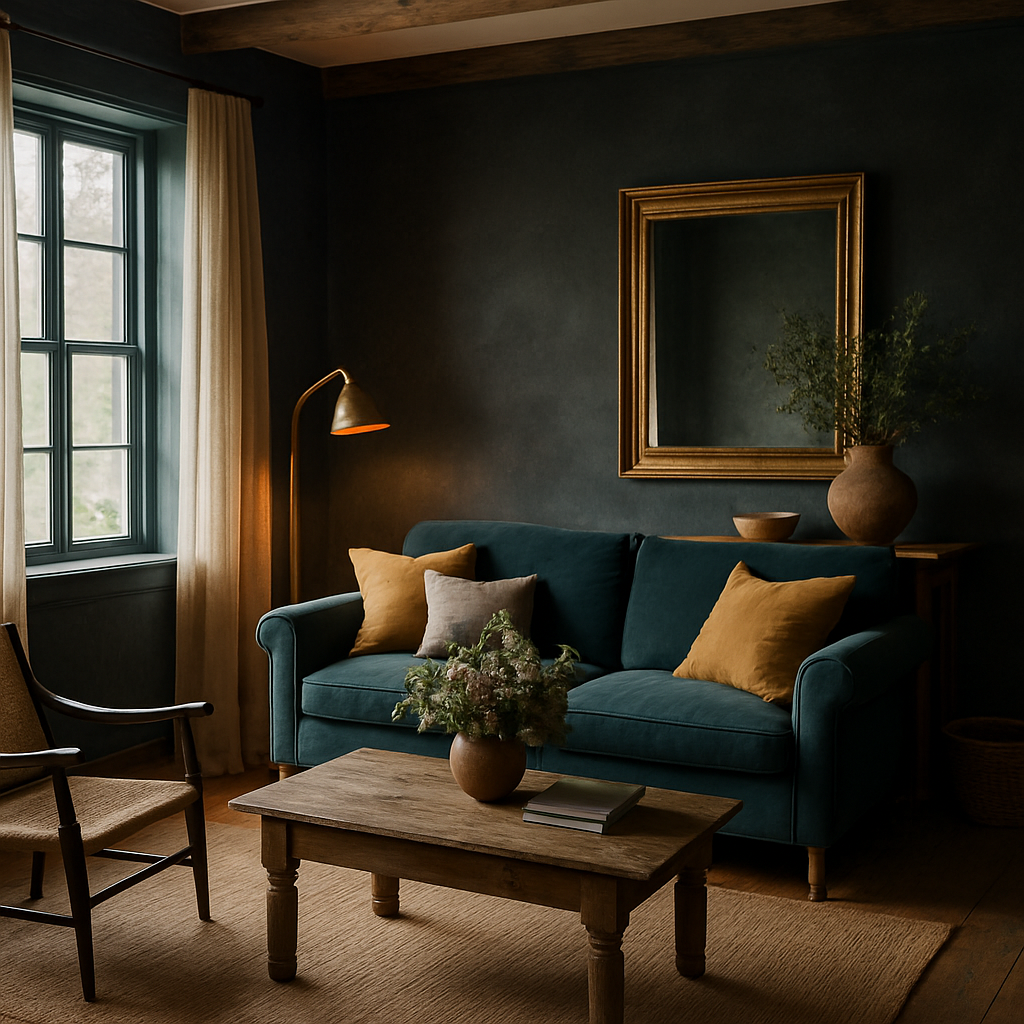
Imagine walking into your living room and feeling an immediate sense of calm and satisfaction. This is not just the dream of homeowners with deep pockets. According to a Houzz survey, 75% of homeowners engaged in redesign projects report increased happiness at home. The secret? Strategic interior design consulting that can transform your space without breaking the bank. This article reveals how you can achieve high-impact design improvements with a modest budget. We'll explore foundational concepts, delve into actionable strategies, and provide expert insights that even the savviest design enthusiasts might miss.
Understanding the Basics of Budget Interior Design
When embarking on an interior design project, understanding the foundational concepts is crucial, especially when budget constraints are in play. The first step often involves differentiating between a certified interior designer and a decorator. Certified interior designers hold credentials such as the NCIDQ (National Council for Interior Design Qualification), ensuring a high standard of practice. While decorators can bring flair and creativity, a certified designer often adds value through technical knowledge and adherence to safety standards.
Another foundational aspect is the fee structure. Interior design services can vary widely, with designers charging a flat fee, hourly rate, or a percentage of the total project cost. Hourly rates generally range from $150 to $500, while the percentage-based fees typically account for 10-25% of the project cost. For those on a tight budget, understanding these options can help you choose a structure that aligns with your financial capabilities.
Lastly, consider the project's scope. A single room redesign might cost between $5,000 and $15,000, while full-home transformations can reach $50,000 to $150,000 or more. By clearly defining the scope, you can prioritize which areas require the most attention and allocate resources effectively. Up next, we'll delve into data-driven insights that can guide your budget-friendly design decisions.
Data-Driven Insights for Cost-Effective Design
Leveraging data can significantly enhance the effectiveness of your interior design project. According to the American Society of Interior Designers (ASID), homes with well-executed interior designs can see a resale value increase of 5-15%. This statistic underscores the potential return on investment for thoughtfully curated spaces, even when working within a budget.
Another critical insight comes from the annual Houzz survey, which highlights trends in homeowner satisfaction. The survey indicates that homeowners who incorporate biophilic design elements, such as natural materials and indoor-outdoor flow, report higher levels of satisfaction. Incorporating such trends need not be costly; simple adjustments like adding indoor plants or using natural textures can be both budget-friendly and impactful.
Experienced professionals often note the importance of prioritizing where to spend and where to save. For instance, investing in quality foundational pieces like a sofa or dining table can set the tone for the entire space, while accessories and décor can be sourced from more cost-effective retailers. With these insights in mind, let's explore actionable strategies you can implement right away.
Actionable Strategies for Transforming Your Space
Transforming your space on a budget requires a strategic approach. Start by setting a clear budget and sticking to it. This may sound simple, but it is the cornerstone of a successful design project. Use tools like Houzz's budget planner to track expenses and prevent overspending. Have you considered which areas of your home need the most attention and why?
Next, embrace the power of DIY. Simple projects, like painting a feature wall or refurbishing old furniture, can dramatically alter the look of a room without a hefty price tag. Online platforms like Pinterest offer countless tutorials and ideas to inspire your DIY journey. Why not try a weekend project to refresh your space?
Additionally, take advantage of technology. AR/VR room visualization tools, commonly used by designers, can help you experiment with layouts and styles before making any physical changes. This not only saves money but also allows you to envision the end result more clearly. These strategies will prepare you for a deeper dive into expert-level details.
Expert-Level Insights for Savvy Design Choices
For those seeking a more refined approach, delving into expert-level insights can be incredibly rewarding. One such insight is the trend of "quiet luxury," which emphasizes understated elegance through quality materials and subtle design. This trend doesn't necessitate extravagant spending; instead, focus on selecting a few high-quality elements that make a big impact.
Another expert suggestion is to incorporate sustainable and reclaimed materials. This not only aligns with current design trends but also often results in cost savings. Explore local salvage yards or online marketplaces for unique finds that add character and history to your space. Such choices are not only budget-friendly but also environmentally conscious.
Consulting with professionals can also be invaluable. Many designers offer online consultations at a reduced rate compared to in-person services. This allows you to access expert advice without committing to a full-service design package. These insights will lead us to even more detailed aspects to consider in your design journey.
Additional Depth: Beyond the Basics
Going beyond the basics, consider the project's lifecycle, from concept development to styling. During the concept phase, create a mood board to visualize your style and preferences. Tools like Canva can help you compile images, colors, and textures that resonate with your vision.
During the design presentation phase, gather feedback from trusted friends or family members. This can provide new perspectives and ideas you might not have considered. Remember, collaboration can enhance creativity and lead to unexpected solutions that align with your budget.
Finally, in the installation and styling phase, pay attention to details. Swapping out cabinet hardware or adding new light fixtures are small changes that can have a big impact. The goal is to achieve a cohesive look where every element feels intentional. As we wrap up this journey, let's consider final perspectives on maintaining your newly designed space.
Final Perspectives on Maintaining Your Space
Once your space has been transformed, maintaining its look and feel becomes a priority. Regularly reassess your space to ensure it continues to meet your needs and preferences. This might mean rotating décor items or updating color schemes as trends change.
Consider implementing a cleaning and organization routine that keeps your space looking fresh and inviting. This doesn't require a significant time investment but can greatly enhance your enjoyment of your home. Are there areas of your home that could benefit from better organization?
Lastly, continue to educate yourself about interior design. Follow platforms like Architectural Digest's AD PRO network for the latest trends and tips. This ongoing learning will ensure that your space remains stylish and functional. Let's conclude with a summary and a practical next step for you.
Conclusion: Transform Your Space Today
Transforming your space on a budget is not only possible but also immensely rewarding. By understanding foundational concepts, leveraging data-driven insights, and implementing actionable strategies, you can achieve a stunning transformation that reflects your style and meets your needs. Remember to incorporate expert insights and consider the project's lifecycle for the best results.
Your journey doesn't end here. Start by browsing portfolios on Houzz this week-just 20 minutes of research will sharpen your eye for what you want. Whether you choose to consult a professional or embark on a DIY project, each step you take brings you closer to a home that truly feels like yours. Are you ready to transform your space?



Comments
Post a Comment