How Interior Design AI is Revolutionizing Home Aesthetics in 2023
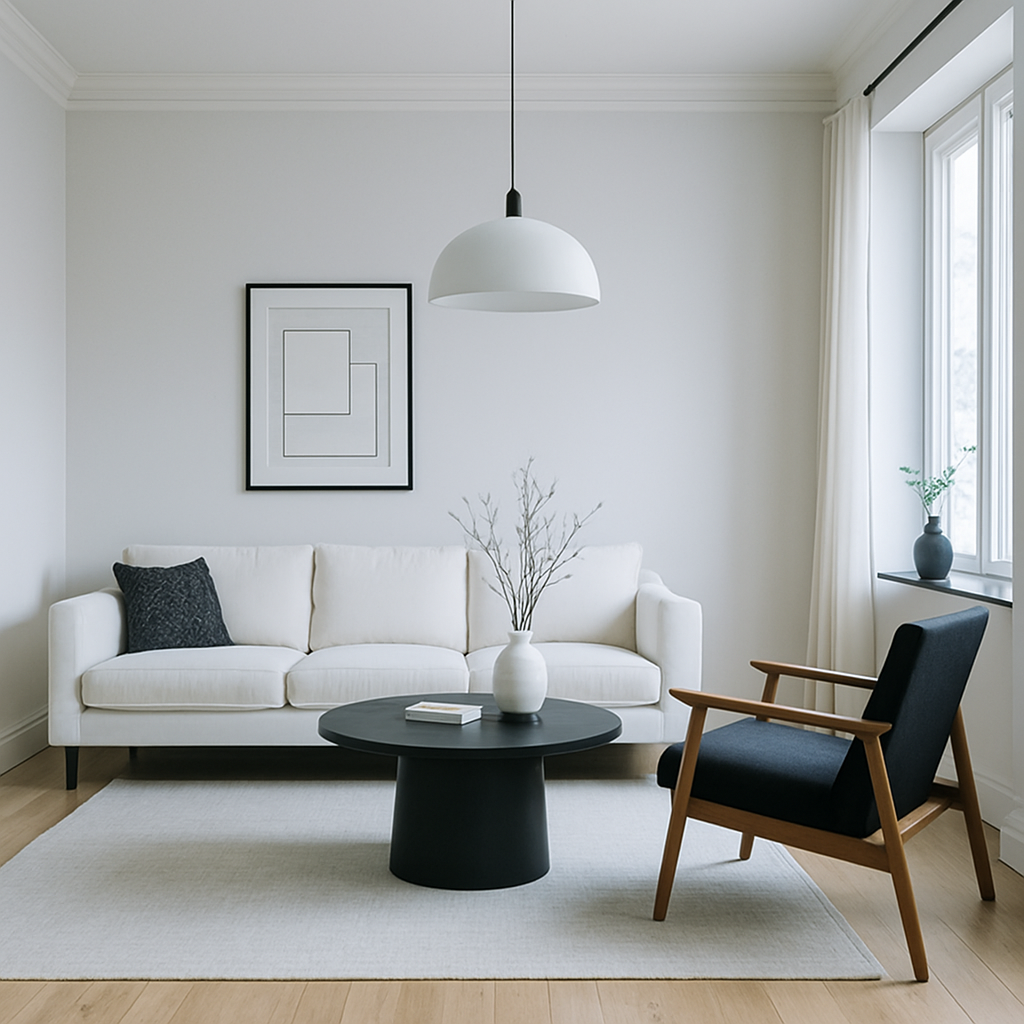
Imagine walking into a beautifully designed room that perfectly reflects your personality, style, and needs. Now, imagine that this room was designed not by a human, but by artificial intelligence. According to industry surveys, AI-driven design tools are rapidly gaining adoption, with over 60% of interior designers now incorporating some form of AI into their projects. This integration is not just a glimpse into the future; it's reshaping the present landscape of interior design. In 2023, AI in interior design is all about enhancing creativity, precision, and personalization. This article will explore the foundational concepts of AI in design, delve into data-backed insights, offer actionable strategies, and provide expert-level details on leveraging these tools for your next project.
Understanding the Core of AI in Interior Design
At its core, interior design AI leverages machine learning algorithms to analyze aesthetic preferences and spatial data, generating design recommendations that align with user input. The AI tools used in the industry today, such as Planner 5D and Foyr Neo, are capable of creating intricate design plans by processing immense amounts of data. These platforms allow users to visualize spaces in 3D, experiment with layouts, and even adjust lighting and textures with a few clicks. This technological leap provides designers with the ability to explore creative boundaries without the traditional constraints of time and resources.
One of the primary benefits of using AI in interior design is the enhancement of precision and efficiency in the planning phase. Gone are the days when designers relied solely on physical mood boards and sketches. AI technology can quickly generate multiple design iterations, enabling rapid prototyping and adjustments based on client feedback. According to the American Society of Interior Designers (ASID), this increased efficiency can lead to a 30% reduction in project timelines, allowing for faster turnaround and satisfied clients.
Moreover, AI tools help mitigate common design challenges such as spatial planning and color coordination. For instance, platforms like Modsy use AI to create personalized design recommendations that consider both aesthetic and functional needs. These tools analyze user preferences and suggest furniture arrangements that optimize space, making it easier for designers to create harmonious and practical environments. As we transition to the next section, let's explore how AI's deep learning capabilities provide data-driven insights that are transforming the industry.
Data-Driven Insights and Their Impact
AI's ability to process and analyze large datasets is revolutionizing how designers approach their projects. According to research from Houzz, AI tools can assess trends from millions of design images, identifying patterns and preferences that inform design decisions. This data-driven approach allows designers to stay ahead of trends, offering clients the most contemporary and stylish solutions. For example, AI can identify the rising popularity of biophilic design elements, such as natural materials and indoor-outdoor flows, guiding designers to incorporate these features into their projects.
Another significant advantage of AI in interior design is its capacity to predict future trends based on historical data. By analyzing past design choices and market trends, AI can forecast emerging styles that will likely gain traction. This predictive capability equips designers with the foresight to propose innovative concepts that keep clients' spaces on the cutting edge of design. Experienced professionals often note that this foresight is invaluable in creating spaces that remain relevant and desirable over time.
Furthermore, AI tools facilitate more informed decision-making by providing designers with a wealth of information at their fingertips. For instance, AI can analyze color palettes and suggest complementary shades that enhance a room's ambiance. This level of detail ensures that every aspect of the design is cohesive and intentional. As we dive into actionable strategies in the following section, consider how these insights can be applied to create personalized and impactful design solutions.
Actionable Strategies for Integrating AI
For those looking to integrate AI into their interior design practice, understanding the available tools and how to use them effectively is crucial. Start by exploring platforms like Homestyler or Floorplanner, which offer user-friendly interfaces and robust design capabilities. These tools allow you to experiment with layouts, furnishings, and lighting before committing to a final design, significantly reducing the risk of costly mistakes. But how do these platforms fit into your workflow?
One actionable strategy is to use AI tools during the initial concept development phase. By inputting clients' preferences and requirements, designers can generate multiple design options that align with the desired aesthetic. This process not only streamlines design presentations but also enhances client engagement by involving them in the creative process. According to the International Interior Design Association (IIDA), involving clients in this way can increase satisfaction levels by up to 40%.
Moreover, consider leveraging AI for procurement and sourcing. AI platforms can suggest furniture and decor pieces that fit within your client's budget while maintaining the design's integrity. This capability is especially beneficial for managing costs effectively, as AI can identify discounts and alternative options that might otherwise go unnoticed. As you implement these strategies, remember that the goal is to augment human creativity with AI's precision and efficiency, leading us into the expert-level details on maximizing these tools.
Expert-Level Details on Maximizing AI Tools
Maximizing the potential of AI tools in interior design requires a strategic approach. One key aspect is training and familiarization with the software's capabilities. Designers should invest time in learning the ins and outs of AI platforms to fully harness their power. Many platforms offer tutorials and online courses that can accelerate this learning curve, ensuring that you are equipped to use these tools to their fullest potential.
Experienced professionals often emphasize the importance of combining traditional design principles with AI insights. While AI excels at generating data-driven recommendations, it lacks the intuitive understanding of human emotion and cultural context that a seasoned designer brings. By blending AI's analytical prowess with your creative expertise, you can create spaces that are not only visually stunning but also deeply resonant with your clients' values and lifestyles.
Furthermore, staying informed about the latest advancements in AI technology is crucial for maintaining a competitive edge. Platforms like Architectural Digest's AD PRO network offer valuable resources and industry updates that can keep you abreast of new tools and trends. As we move into the next section, consider how these expert-level insights can further enhance your design practice and client offerings.
Enhancing Client Experience with AI
AI is not only transforming the design process but also significantly enhancing the client experience. By using AI-powered visualization tools, such as augmented reality (AR) and virtual reality (VR), clients can immerse themselves in a lifelike representation of their future space. This immersive experience allows clients to make informed decisions and feel more confident in their choices, ultimately leading to higher satisfaction levels.
Additionally, AI tools can facilitate real-time collaboration between designers and clients, regardless of geographical constraints. Platforms like Conceptboard enable seamless communication and feedback exchange, making the design process more interactive and inclusive. This level of engagement fosters a stronger designer-client relationship, as clients feel more involved and valued throughout the project.
Moreover, AI can personalize the design process by tailoring recommendations to individual client preferences. By analyzing data such as past purchases and online browsing behavior, AI can suggest design elements that align with the client's unique tastes. As we approach the final perspectives, reflect on how these enhancements can elevate your design practice and set you apart in a competitive market.
Final Perspectives on AI in Interior Design
The integration of AI in interior design is undeniably reshaping the industry, offering unprecedented opportunities for creativity and innovation. As AI continues to evolve, its role in design will likely expand, providing even more sophisticated tools and capabilities. However, the essence of great design lies in its ability to connect with people on an emotional level, a quality that AI alone cannot replicate.
By embracing AI as a powerful ally, designers can enhance their creative processes, push the boundaries of design, and deliver exceptional results for their clients. The key is to view AI not as a replacement for human creativity but as a catalyst that amplifies it. As you consider integrating AI into your practice, think about how you can balance technological advancements with the timeless principles of design.
Conclusion: Embrace the Future of Design
In conclusion, AI is revolutionizing home aesthetics in 2023 by providing designers with powerful tools to create innovative and personalized spaces. From data-driven insights to immersive client experiences, AI is enhancing every aspect of the design process. Are you ready to embrace this technological evolution and elevate your design practice?
Start by exploring AI-powered platforms like Houzz and Foyr Neo. Dedicate time this week to familiarize yourself with their features and consider how they can fit into your workflow. Even a brief exploration can provide a new perspective on the possibilities AI offers. As you integrate these tools, remember to balance AI's capabilities with your creative intuition to create spaces that truly resonate with your clients.


Comments
Post a Comment