How Interior Architecture Shapes Modern Living: Innovative Ideas for Your Home
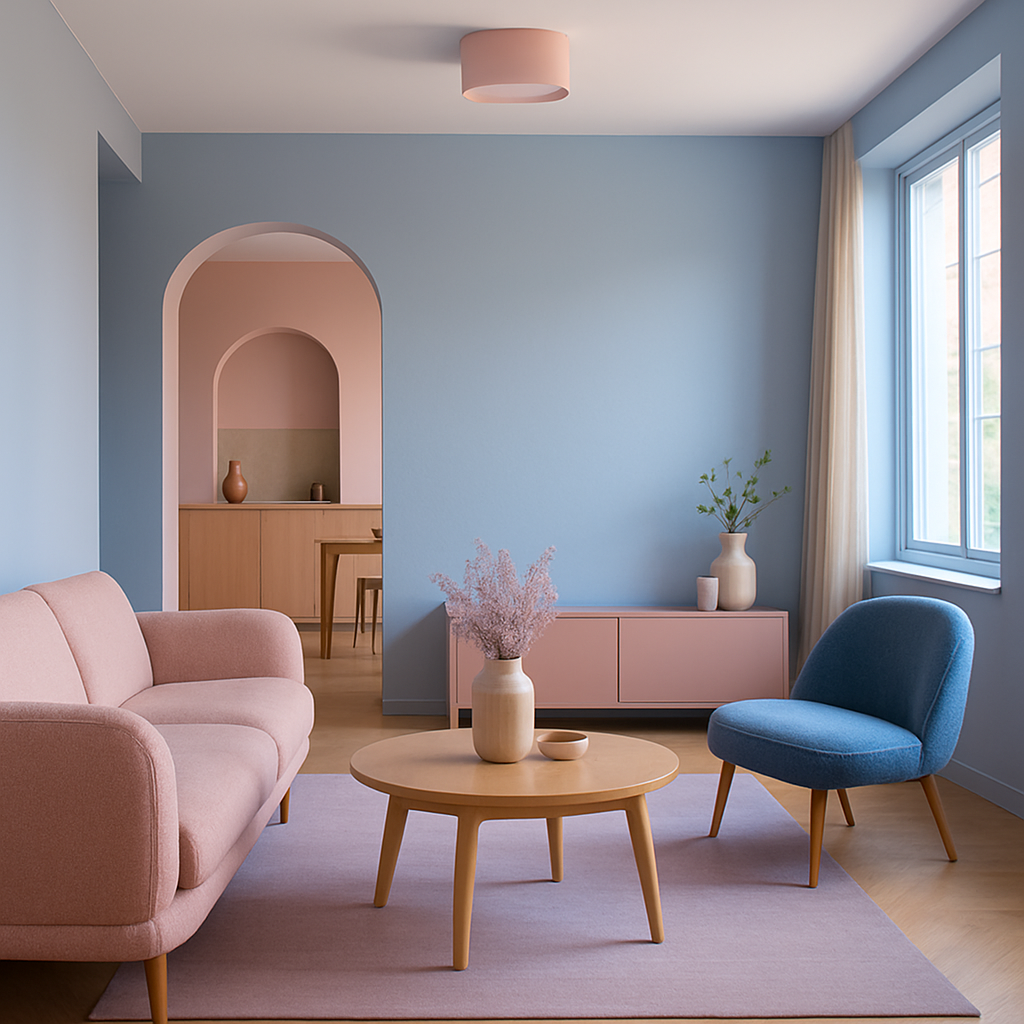
Imagine walking into a home where every element harmoniously contributes to both aesthetics and functionality. According to a study by the American Society of Interior Designers (ASID), homeowners are increasingly investing in interior architecture to enhance their living spaces, with some reporting a 15% increase in property value due to well-designed interiors. This isn't just about decoration; it's about creating environments that improve quality of life. In this article, we'll explore foundational concepts of interior architecture, analyze current trends and data, and provide actionable strategies to apply in your own home. We'll also dive into expert-level insights and additional depth on how innovative ideas are reshaping spaces today.
Understanding the Foundations of Interior Architecture
Interior architecture is the art and science of enhancing the interiors of a space to achieve a healthier and more aesthetically pleasing environment. It combines principles from both architecture and interior design to create a cohesive living experience. While interior design focuses on surface decorations, interior architecture delves deeper, involving structural changes and the integration of various systems like lighting and acoustics.
One foundational concept is the spatial flow, which refers to how people move through and interact within a space. Effective spatial flow can transform a cramped room into an open, inviting area. For instance, removing unnecessary walls or adding open shelving can enhance movement and create a sense of continuity. This is particularly important in open-plan homes where the kitchen, dining, and living areas merge into a single expansive space.
Another key element is the use of natural light. Strategic placement of windows and skylights can drastically alter the ambiance of a room. Natural light not only reduces energy consumption but also enhances mood and productivity. Have you considered how much light your space gets? According to Houzz's annual survey, natural light is a top priority for homeowners undertaking renovations. This sets the stage for exploring how these foundational elements influence modern living.
Current Trends: Data-Driven Insights
Trends in interior architecture are evolving rapidly, driven by technological advancements and shifting lifestyle preferences. Biophilic design, which incorporates natural elements like wood, plants, and natural light, has emerged as a significant trend. This approach not only provides aesthetic benefits but also promotes mental well-being. Industry surveys suggest that biophilic elements can reduce stress levels by up to 30%, a statistic supported by the International Interior Design Association (IIDA).
Another trend gaining traction is the integration of smart home technology. From automated lighting systems to climate control, smart technology enhances convenience and energy efficiency. The National Council for Interior Design Qualification (NCIDQ) highlights that 40% of new home projects now include some form of smart integration. Have you thought about how smart technology could improve your daily routines? This aspect of interior architecture is not just about gadgets but creating interconnected environments that adapt to user needs.
Furthermore, the concept of "quiet luxury" is becoming popular. This trend emphasizes understated elegance through the use of high-quality materials and craftsmanship, rather than flashy designs. Architectural Digest's AD PRO network reports that quiet luxury appeals to homeowners seeking timelessness and subtle sophistication. These trends underline the importance of data-driven insights in shaping modern living environments.
Actionable Strategies for Your Home
Implementing interior architecture strategies in your home doesn't require a complete overhaul. Start by assessing your current space: Where do you spend the most time? How do you want each room to feel? These questions can guide your design decisions. Mapping out your daily routines can reveal areas that need functional improvements, such as better lighting in workspaces or more storage in family areas.
Consider incorporating sustainable materials in your design. Reclaimed wood, recycled metal, and eco-friendly textiles not only reduce environmental impact but also add unique character to your home. The 2026 design trends suggest that sustainability will continue to be a major focus, with homeowners willing to invest more in eco-conscious choices. Even small changes, like switching to LED lighting or using non-toxic paints, can make a significant difference.
Another actionable strategy is to experiment with color and texture. A fresh coat of paint or new textiles can transform a space without major renovations. Soft, neutral palettes can create a calming atmosphere, while bold colors can add energy and personality. What color schemes resonate with you and your family? By thoughtfully choosing elements that reflect your style, you can create a personalized environment that enhances everyday living. These strategies pave the way for deeper expert-level insights into interior architecture.
Expert Insights: Beyond the Basics
Experienced professionals often note that successful interior architecture goes beyond aesthetics; it's about creating spaces that cater to specific needs and lifestyles. Certified interior designers, such as those holding NCIDQ or ASID credentials, have the expertise to balance aesthetic appeal with functional design. They consider factors like acoustics, ergonomics, and even psychological impacts when planning a space.
One advanced technique used by professionals is virtual reality (VR) visualization. This tool allows clients to experience their redesigned space before any physical changes are made. By visualizing different layouts and finishes, homeowners can make informed decisions and avoid costly mistakes. According to the American Institute of Architects (AIA), VR technology has improved client satisfaction rates by 25%.
Moreover, procurement is a critical phase where expertise can significantly impact outcomes. Professionals often leverage industry connections to source high-quality, unique pieces that fit both the design vision and budget. This includes negotiating procurement markups and ensuring that every item aligns with the overall design narrative. As we explore additional depth in the next section, the importance of these expert insights becomes even clearer.
Exploring Additional Depth in Interior Architecture
Interior architecture is not just about aesthetics; it's also about creating functional, adaptable spaces that respond to changing needs. Flexibility is a key design principle, especially in urban environments where space is limited. Multi-functional furniture, such as foldable tables or modular seating, can maximize utility without compromising style. Have you considered how adaptable your current space is?
Budget is another crucial aspect. Understanding different fee structures-whether a flat fee, hourly rate, or percentage of the project cost-can help you manage expenses effectively. According to Houzz, the average cost for a room redesign ranges from $5,000 to $15,000, while full-home projects can exceed $150,000. Knowing this, how do you plan to allocate your resources?
Additionally, the integration of sustainable practices can enhance both functionality and value. Using energy-efficient systems and sustainable materials can yield long-term savings and appeal to environmentally-conscious buyers. With well-designed interiors yielding a 5-15% higher resale value, investing in quality interior architecture is not only a lifestyle choice but also a financial strategy. As we conclude, these additional insights reinforce the transformative power of thoughtful design.
Final Perspectives on Interior Architecture
As we have explored, interior architecture plays a pivotal role in shaping modern living environments. It's an intricate blend of art and science that goes beyond mere decoration to enhance functionality and quality of life. Whether you're planning a small-scale renovation or a complete redesign, understanding these principles can guide you to make informed, impactful decisions.
What will your next step be in transforming your living space? Perhaps you'll start by incorporating more natural light, exploring smart home technologies, or consulting with a certified designer. Each of these actions can significantly improve your home's ambiance and efficiency.
As you consider the ideas shared here, remember that the ultimate goal of interior architecture is to create spaces that reflect your identity and support your lifestyle. This journey of transformation is both personal and rewarding, offering endless possibilities for innovation and creativity. In the conclusion, we'll summarize and provide a clear call to action to help you move forward.
Conclusion: Taking the Next Step
In conclusion, the power of interior architecture lies in its ability to harmonize form and function, creating spaces that are not only beautiful but also profoundly enriching. By understanding foundational concepts, leveraging current trends, and applying expert insights, you can transform your home into a space that truly serves you and your family's needs.
If you're ready to embark on this journey, start by browsing designer portfolios on platforms like Houzz or consulting with certified professionals from the ASID or IIDA. Even a brief exploration can inspire new ideas and clarify your vision. Remember, every thoughtful decision you make enhances your living environment and adds to its lasting value.
So, take that first step today. Begin by identifying small changes you can implement immediately, and watch as your home's transformation unfolds. Whether it's enhancing natural light, integrating smart technology, or simply reimagining your layout, each choice contributes to creating a space that feels uniquely yours.



Comments
Post a Comment