How Free AI Interior Design Apps are Changing the Way We Decorate
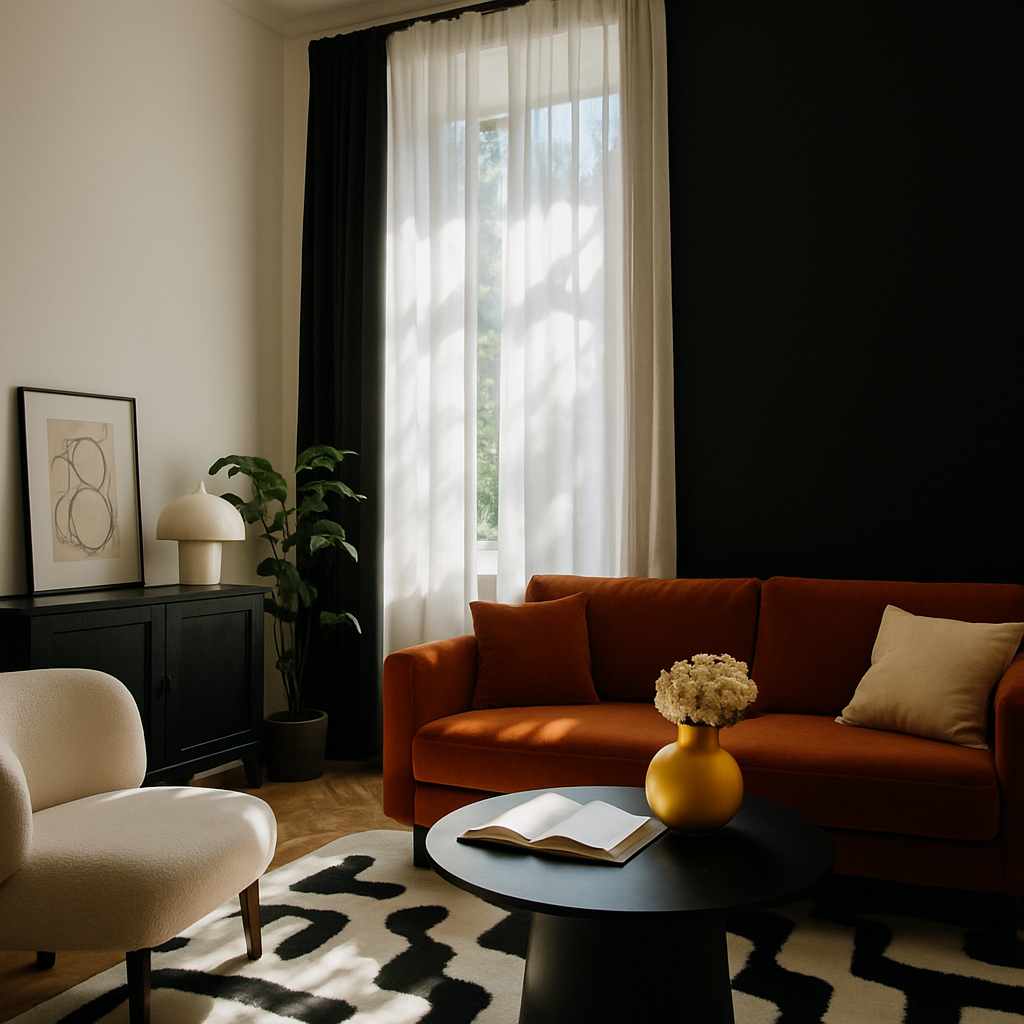
Imagine transforming your living room's layout in minutes without lifting a finger or spending a dime. That's the promise of free AI interior design apps, a promise that's capturing the imagination of homeowners and renters alike. These digital tools are not only democratizing access to professional design insights but also empowering users to experiment with their spaces like never before. In this article, we'll explore the foundational concepts of AI in design, delve into the data-driven advantages these apps offer, and provide you with actionable strategies for using them effectively. We'll also cover expert-level insights and additional depth on the subject, concluding with perspectives on the future of AI in interior design. Whether you're skeptical or already a fan, this thorough exploration will enhance your understanding of how AI is reshaping the way we decorate.
The Basics of AI in Interior Design
Artificial intelligence is a term that's been tossed around in various industries, but how does it apply to interior design? At its core, AI in interior design refers to the use of algorithms and machine learning to assist in creating aesthetically pleasing and functional spaces. These apps analyze user input, such as room dimensions and style preferences, to generate design suggestions. Unlike traditional methods, which often require hiring a designer, AI provides quick and cost-effective solutions.
One of the key features of AI interior design apps is their ability to visualize changes in real-time. Users can experiment with different layouts, color schemes, and furniture arrangements without any physical effort. This capability is particularly useful for those who struggle to visualize how a new piece of furniture might fit into a room. According to Houzz, a leading platform in design inspiration, the use of visualization tools increases user satisfaction with home projects by up to 25%.
Moreover, AI apps often integrate augmented reality (AR) features, allowing users to see virtual furnishings overlaid in their actual living space through their smartphone cameras. This technology bridges the gap between imagination and reality, making it easier to make informed decisions. As we move forward, understanding these basic functionalities will set the stage for appreciating the deeper capabilities of these apps.
The Data-Driven Advantage
AI interior design apps are not just tools for visualization; they are powerful data-driven platforms that leverage user data to enhance design accuracy and personalization. By analyzing trends, user preferences, and even local real estate data, these apps provide insights that are both relevant and timely. For instance, according to the American Society of Interior Designers (ASID), well-designed interiors can contribute to a 5-15% increase in property resale value, a factor these apps are beginning to incorporate into their algorithms.
Experienced professionals often note that data-driven design can lead to more cohesive and harmonious spaces. By considering data on color psychology, spatial dynamics, and ergonomic principles, AI-driven recommendations often align closely with professional advice. This approach not only saves time but also reduces the room for error in design projects. In essence, the app becomes a virtual consultant, guiding users based on proven data points.
Additionally, platforms like Houzz and Pinterest play a crucial role by feeding vast amounts of user-generated content into AI algorithms. This wealth of data helps applications refine their recommendations and adapt to emerging design trends, such as Japandi or biophilic design. As users interact with these platforms, they contribute to a cycle of improvement, ensuring that the apps remain cutting-edge and relevant.
Strategies for Maximizing App Potential
While AI apps are powerful tools, knowing how to use them effectively can significantly enhance your experience. Start by clearly defining the purpose of your design project. Are you aiming to refresh a single room, or are you planning a full-home renovation? By setting clear objectives, you can better leverage the app's features to meet your specific needs. For example, if your goal is to improve lighting in a space, focus on apps with robust lighting simulation capabilities.
Another strategy is to use these apps in conjunction with professional advice. Although AI provides a good starting point, consulting with a certified interior designer, such as a member of the National Council for Interior Design Qualification (NCIDQ), can offer additional insights. Professionals can provide nuanced advice that AI might overlook, such as the implications of material choices or the subtleties of local building codes.
Finally, don't hesitate to explore multiple apps before committing to a design. Each platform has unique strengths, whether in visualization, AR features, or user interface. By experimenting with different tools, you can find the one that aligns best with your design philosophy. This exploratory approach ensures that you're not limited by the constraints of a single application, allowing for a more personalized and satisfying design journey.
Expert Insights on AI Integration
Industry professionals are increasingly recognizing the value of AI apps in enhancing design efficiency and creativity. According to the International Interior Design Association (IIDA), the integration of AI tools is becoming a standard practice among designers seeking to offer more dynamic and responsive services. This trend underscores the growing acceptance of AI as a valuable partner in the design process rather than a replacement for human creativity.
Moreover, AI apps are facilitating a shift towards more sustainable design practices. By analyzing material data and sourcing options, these platforms can suggest eco-friendly alternatives that align with the user's aesthetic preferences. This aligns with the broader industry movement towards sustainability, which is expected to be a defining trend in 2026, as noted by Architectural Digest's AD PRO network.
Experienced designers often leverage AI tools to streamline the concept development phase, allowing them to focus more on the creative aspects of design. By automating time-consuming tasks such as drafting floor plans or generating color palettes, designers can allocate more resources to client interaction and customization. This symbiotic relationship between AI and human expertise is setting new benchmarks for efficiency and innovation in interior design.
The Future of AI in Home Decoration
As AI technology continues to evolve, its applications in interior design are becoming more sophisticated. Future iterations of these apps are likely to incorporate advanced features such as predictive analytics, which can anticipate design needs based on lifestyle changes or market trends. This forward-thinking approach will enable users to make preemptive adjustments, keeping their homes in sync with their evolving tastes and requirements.
Furthermore, increased collaboration between AI developers and design professionals is expected to enhance app capabilities. By integrating the nuanced expertise of designers into AI algorithms, these platforms will become even more adept at generating designs that resonate on both aesthetic and functional levels. Will this collaboration lead to a new standard in design excellence? Only time will tell, but the potential is certainly promising.
Whether you're an early adopter or a traditionalist, understanding the trajectory of AI in interior design is crucial. These apps are not just a fad; they represent a significant shift in how we approach home decoration. As they become more ingrained in the design process, staying informed will ensure that you can make the most of these powerful tools.
Concluding Thoughts
The advent of free AI interior design apps is undoubtedly transforming the landscape of home decoration. By offering accessibility, efficiency, and a touch of innovation, these tools are allowing more people to engage with design in meaningful ways. From foundational concepts to expert insights, the journey through AI-enhanced interior design is as enlightening as it is empowering.
So, what's your next step? Start by exploring the available apps and experimenting with your own space. You might be surprised by how much you can achieve with just a smartphone and a little creativity. Begin your research on platforms like Houzz and Pinterest this week-spending even 20 minutes exploring can open new doors to design possibilities.
As you embark on this exciting journey, remember that the key to effective design is a balance between technology and personal touch. Use AI as a guide, not a dictator, and let your unique style shine through. Are you ready to transform your home with the help of AI? The tools are at your fingertips.



Comments
Post a Comment