From Passion to Profession: How to Land Your Dream Interior Design Job
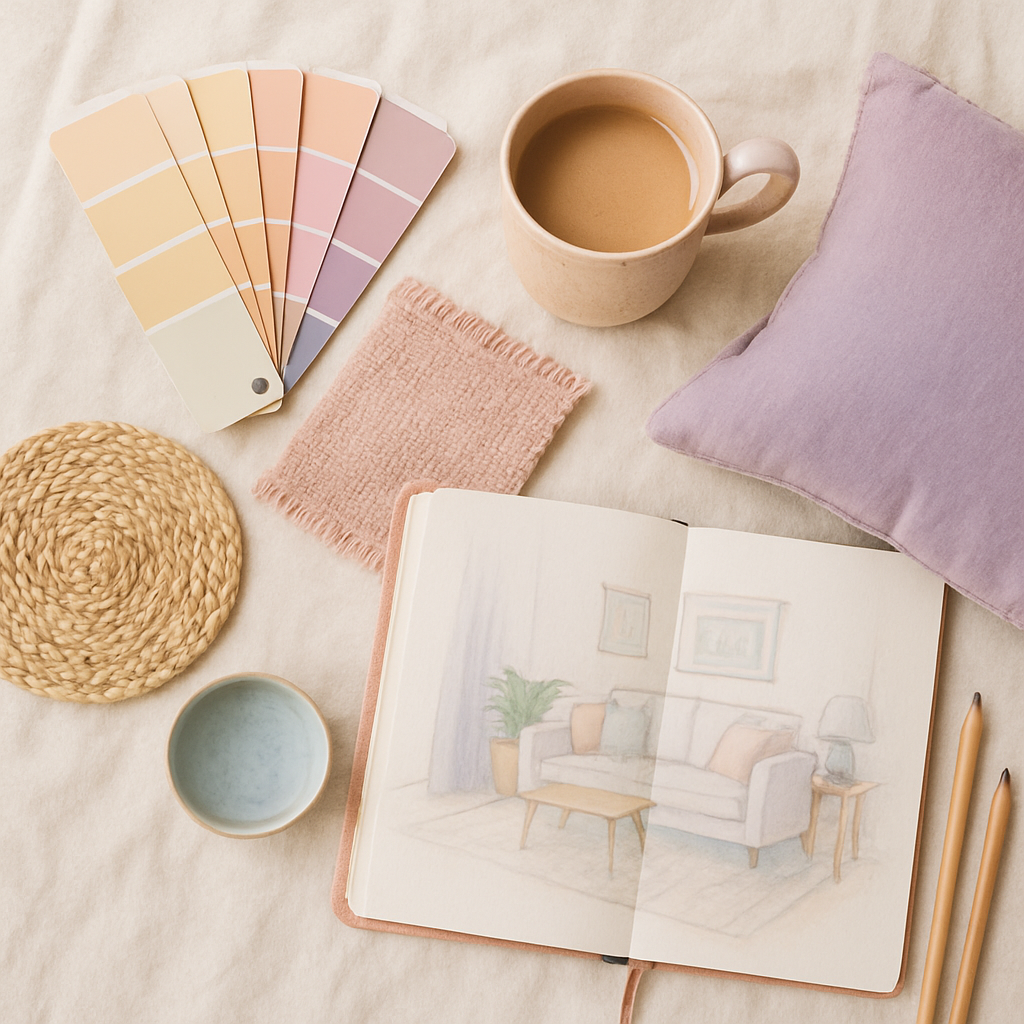
Have you ever walked into a beautifully designed room and thought, "I wish I could create spaces like this for a living"? You're not alone. Many aspiring designers dream of turning their passion into a profession. However, breaking into the interior design industry requires more than just a love for decor. It demands a strategic approach, a deep understanding of the industry, and practical experience that sets you apart. In this article, we will explore foundational concepts to kickstart your career, delve into industry data, outline actionable strategies for success, and provide expert-level insights. Whether you're just starting or looking to refine your approach, this guide is your roadmap to landing your dream interior design job.
Understanding the Foundations of Interior Design
To transition from passion to profession in interior design, it's crucial to understand the foundational concepts that underpin this creative field. At its core, interior design is about solving problems with a blend of aesthetics and functionality. Aspiring designers should familiarize themselves with the key principles of design, such as balance, contrast, harmony, and rhythm. These principles guide the creation of spaces that are not only visually appealing but also practical and comfortable for their intended use.
Education plays a significant role in establishing a solid foundation. Many professional interior designers hold degrees or certifications, such as the NCIDQ (National Council for Interior Design Qualification), which is often considered the gold standard in the industry. This credential assures clients and employers of your expertise in codes, safety, and professional practices. Pursuing formal education can also provide access to valuable networks and resources, such as those offered by the ASID (American Society of Interior Designers).
Beyond formal education, gaining practical experience is essential. Internships and entry-level positions offer hands-on learning opportunities that can't be matched in a classroom setting. These experiences allow you to apply design principles in real-world scenarios, develop a portfolio, and learn from seasoned professionals. As you build your knowledge and skills, always ask yourself: How can I bring fresh perspectives to traditional design challenges?
Analyzing Industry Trends and Data
The interior design industry is dynamic, with trends evolving to reflect changes in technology, sustainability, and lifestyle preferences. According to a recent survey by Houzz, homeowner spending on remodeling and design projects has seen a steady increase, indicating a growing demand for skilled designers. Understanding these trends is crucial for anyone looking to enter the field, as it allows you to tailor your skills to meet current market needs.
One of the most significant trends right now is the integration of smart home technologies. Designers are increasingly expected to incorporate automated lighting, climate control, and window treatments into their projects. Additionally, the rise of biophilic design-incorporating natural materials and indoor-outdoor flow-reflects a shift towards more sustainable and health-conscious living environments. Staying abreast of these trends can make you more attractive to potential employers and clients.
Experienced professionals often note that successful interior designers are those who can adapt to changes and lead with innovation. For example, the use of augmented reality (AR) and virtual reality (VR) tools is becoming more common in design presentations, allowing clients to visualize spaces before they are built. By familiarizing yourself with these technologies and incorporating them into your portfolio, you position yourself as a forward-thinking candidate ready to meet the demands of modern design.
Developing Actionable Strategies for Career Success
Landing your dream interior design job involves more than just understanding trends and principles; it requires strategic action. One effective approach is to build a robust portfolio that showcases your range of skills and design aesthetics. Your portfolio is your visual resume-an opportunity to make a compelling first impression. Include a variety of projects that highlight your ability to tackle different design challenges and reflect your unique style.
Networking is another critical strategy. Join professional organizations such as the IIDA (International Interior Design Association) to connect with industry peers and mentors. Attending trade shows, workshops, and industry events can also provide opportunities to meet potential employers and collaborators. Networking not only opens doors to job opportunities but also keeps you informed about industry developments.
Consider what sets you apart from other candidates. Is it your expertise in sustainable design, your proficiency with design software, or your ability to manage complex projects? Identifying your strengths and leveraging them in job applications and interviews can significantly improve your chances of success. Remember, every interaction is an opportunity to showcase your passion and commitment to the field.
Gaining Expert-Level Insights
To truly excel in the interior design industry, you must seek out expert-level insights that go beyond basic knowledge. Engaging with content from reputable sources, such as Architectural Digest's AD PRO network, can provide valuable perspectives from leading designers. These insights often highlight the nuances of client relationships, project management, and the creative process-areas that are crucial to mastering the profession.
Mentorship is another powerful tool for gaining expert insights. Many seasoned designers are willing to share their experiences and offer guidance to newcomers. A mentor can provide you with practical advice on navigating the industry, from negotiating fees to managing client expectations. They can also introduce you to new techniques and trends that may not yet be widely discussed.
Finally, don't underestimate the power of continuous learning. The design field is ever-evolving, and staying ahead requires a commitment to professional development. This might include taking advanced courses, attending workshops, or even participating in design competitions. By continuously expanding your knowledge and skills, you ensure that you remain competitive and relevant in the industry.
Exploring Additional Depth in Interior Design
Beyond the basics, aspiring interior designers should delve deeper into specific areas of interest to distinguish themselves. For example, specializing in sustainable or eco-friendly design can tap into the growing demand for environmentally conscious spaces. According to industry surveys, well-designed sustainable interiors can increase a property's resale value by 5-15%, making this a lucrative niche.
Another area to explore is the intersection of cultural elements in design. Understanding how to incorporate cultural motifs and styles can broaden your appeal to a diverse clientele. This requires both research and sensitivity, as you must balance cultural authenticity with modern design principles. Projects that successfully integrate cultural elements often stand out and attract attention.
Finally, consider the business side of design. Understanding fee structures, such as flat fees, hourly rates, and percentage-based pricing, is essential for managing your career effectively. Familiarize yourself with the financial aspects of design projects to ensure that you can negotiate fair compensation for your work. Armed with this knowledge, you can confidently approach potential clients and employers.
Final Perspectives on Achieving Your Dream Job
Transitioning from passion to profession in interior design is a journey that requires dedication, strategic planning, and a commitment to continuous improvement. By grounding yourself in the fundamentals, staying informed about industry trends, and developing a strong professional network, you can position yourself for success. Remember, every designer's path is unique, shaped by personal interests, skills, and experiences.
As you reflect on your career aspirations, ask yourself: What do I want to achieve in this field, and what steps am I willing to take to get there? Setting clear goals and regularly evaluating your progress can help keep your career trajectory on track. With perseverance and a proactive approach, landing your dream interior design job is within reach.
Conclusion
Turning your passion for interior design into a profession involves more than just creativity; it requires a strategic approach and a willingness to learn. By following the steps outlined in this guide, you can lay the groundwork for a successful career. Start by building a strong portfolio, networking with industry professionals, and staying informed about current trends and technologies.
Your next step? Begin by exploring design portfolios on platforms like Houzz and AD PRO to draw inspiration and refine your style. Even dedicating just 20 minutes a day to research can significantly enhance your understanding and sharpen your design eye. As you embark on this journey, remember that your dream job is not just a destination but an evolving process. Embrace each opportunity to learn and grow, and success will follow.


Comments
Post a Comment