From Passion to Profession: How to Break into Interior Design
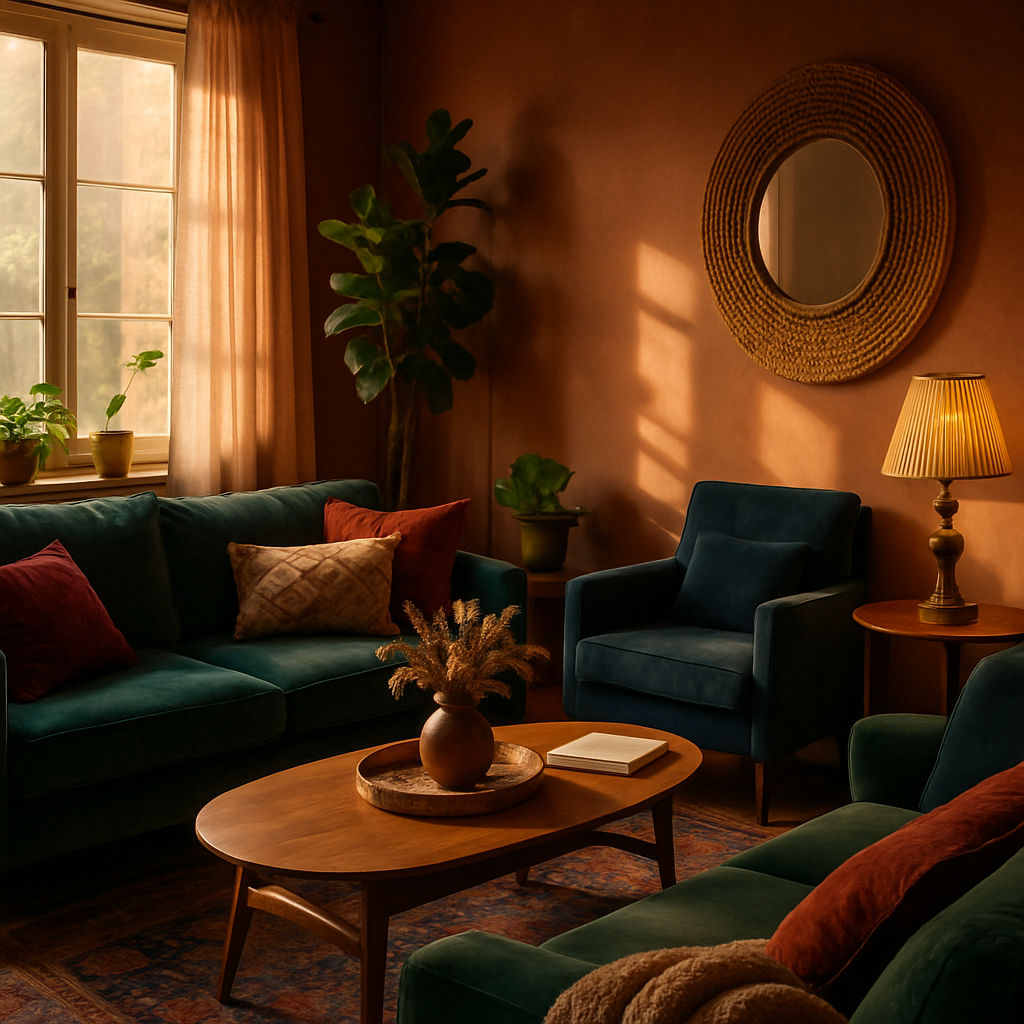
Have you ever walked into a room and instantly felt at home, as if the space was speaking directly to your soul? That transformative power of interior design is both an art and a science, and it has the potential to elevate everyday spaces into extraordinary experiences. According to the American Society of Interior Designers (ASID), the interior design industry is projected to grow by 4% annually through 2026, indicating a robust demand for skilled designers. If you've ever thought about turning your passion for interior design into a profession, you're in the right place. This article will guide you through foundational concepts, deeper analyses with industry data, actionable strategies for breaking into the field, expert insights, and more.
Understanding the Foundations of Interior Design
Before you can make a name for yourself in the world of interior design, it's essential to understand the foundational concepts that underpin the profession. Interior design is not merely about choosing color palettes or arranging furniture; it involves a complex interplay of aesthetics, functionality, and client needs. Certified interior designers, often holding credentials such as the NCIDQ (National Council for Interior Design Qualification), are trained to consider these aspects meticulously. They work to create spaces that are not only beautiful but also functional and safe.
The design process typically begins with concept development, which involves understanding the client's vision and setting the direction for the project. This phase is followed by design presentation, where ideas are articulated through sketches, mood boards, and digital renderings. Procurement, installation, and styling complete the process, ensuring that the vision is executed flawlessly. Each phase requires attention to detail and a deep understanding of materials, spatial planning, and human psychology.
Consider this: if you're serious about entering the field of interior design, you'll need to build a strong foundation in these areas. Are you ready to commit to a rigorous path of learning and growth? Understanding the foundational elements will prepare you to tackle the complexities of the industry and set you apart from amateur decorators.
Analyzing Industry Trends and Data
To truly excel in interior design, staying updated with industry trends and data is crucial. According to Houzz's annual survey, homeowners are increasingly investing in remodeling projects, with an average spend of $15,000 per room. This surge in demand is driven by a desire for personalized and functional living spaces. One of the prominent trends shaping the industry is biophilic design, which emphasizes the integration of natural elements to enhance well-being. From living walls to natural light optimization, biophilic design is reshaping how we interact with our environments.
Another trend gaining momentum is the concept of quiet luxury, characterized by understated elegance and high-quality materials. This aligns with a broader movement towards sustainability, as designers prioritize reclaimed and eco-friendly materials. The use of smart home technology is also on the rise, with automated lighting, climate control, and window treatments becoming standard features in modern interiors.
Understanding these trends is vital for anyone looking to break into the industry. Experienced professionals often note that the ability to predict and adapt to these shifts can position a designer as a thought leader. How can you leverage this information to inform your designs and stay ahead of the curve? By analyzing trends and data, you can make informed decisions that resonate with clients and enhance your design practice.
Actionable Strategies for Aspiring Interior Designers
Breaking into the interior design profession requires a strategic approach. One of the first steps is building a diverse portfolio that showcases your range and style. Start by redesigning rooms in your own home or offering your services to friends and family at a discounted rate. Document these projects meticulously, capturing high-quality photographs and creating detailed descriptions of your design choices. Platforms like Houzz and Instagram are excellent for sharing your work and gaining exposure.
Networking is another critical component of a successful design career. Join professional organizations such as the ASID or IIDA (International Interior Design Association) to connect with other designers, attend industry events, and access resources that can propel your career forward. These organizations often offer mentorship programs, which can provide invaluable guidance from seasoned professionals.
Additionally, formal education can set you apart in a competitive field. Consider enrolling in interior design courses or pursuing a degree program. This not only enhances your knowledge but also increases your credibility with clients. Armed with a strong portfolio, a robust network, and a solid educational background, you'll be well-equipped to transition from passion to profession in the world of interior design.
Insights from Industry Experts
Gaining insights from industry experts can provide a unique perspective on what it takes to succeed in interior design. Many successful designers emphasize the importance of continuous learning. The design world is ever-evolving, with new materials, technologies, and trends emerging regularly. Staying abreast of these changes is essential. Engaging with the design community through workshops, webinars, and conferences can help you remain at the forefront of innovation.
Experts also highlight the significance of understanding client psychology. A successful designer must be adept at interpreting and translating a client's vision into a cohesive design plan. This requires strong communication skills and the ability to ask the right questions. What are the client's daily routines? How do they use their space? What feelings do they want their environment to evoke? These insights inform a personalized design that truly resonates with the client.
Finally, seasoned designers often advise newcomers to embrace flexibility and adaptability. No two projects are alike, and challenges are inevitable. Whether it's a delayed shipment or a client's change of heart, the ability to pivot and find creative solutions is a hallmark of a great designer. As you navigate your career, remember that each challenge is an opportunity to grow and refine your skills.
Building Expertise with Additional Resources
To truly establish yourself in the field of interior design, it's important to continually build your expertise. Leverage resources such as Architectural Digest's AD PRO network, which offers insights into design trends, business strategies, and profiles of industry leaders. This can provide valuable context and inspiration as you develop your unique style.
Another invaluable resource is the NCIDQ certification. This credential is considered the gold standard in interior design and demonstrates a high level of competence and professionalism. Preparing for and passing the NCIDQ exam requires a deep understanding of design principles, building codes, and best practices. Achieving this certification can elevate your credibility and open doors to more prestigious projects.
Additionally, consider utilizing AR/VR room visualization tools to enhance your design process. These technologies allow you to create immersive experiences for clients, enabling them to visualize their future spaces in a detailed and interactive way. This not only improves client satisfaction but also streamlines the design process, leading to more efficient project execution.
Final Perspectives on Your Design Journey
As you embark on your journey from passion to profession in interior design, remember that success is a marathon, not a sprint. Building a career takes time, effort, and resilience. Each project you undertake will contribute to your growth, and each challenge will enhance your problem-solving skills. What steps will you take today to move closer to your goals?
It's also important to cultivate a strong personal brand. Define your unique style and perspective, and let this shine through in your work and interactions. Clients are drawn to designers who have a distinct voice and who can confidently articulate their vision.
Lastly, embrace the joy that comes with transforming spaces and impacting lives. Interior design is a rewarding profession that allows you to combine creativity with practicality, ultimately creating environments that enrich people's lives. Stay curious, stay passionate, and continue to push the boundaries of your craft.
Conclusion
In conclusion, transitioning from a passion for interior design to a professional career is a challenging yet fulfilling endeavor. By understanding foundational concepts, analyzing industry trends, implementing actionable strategies, and learning from seasoned experts, you can carve out a successful path in this vibrant field. Remember, the journey is as important as the destination, so embrace each step with enthusiasm and determination.
Your next move? Start by immersing yourself in the world of design. Browse through portfolios on Houzz or Pinterest this week-spending even 20 minutes can sharpen your eye and ignite inspiration for your future projects. With dedication and a strategic approach, you can transform your passion into a thriving profession.


Comments
Post a Comment