From Concept to Reality: The Art of Room Interior Design Explained
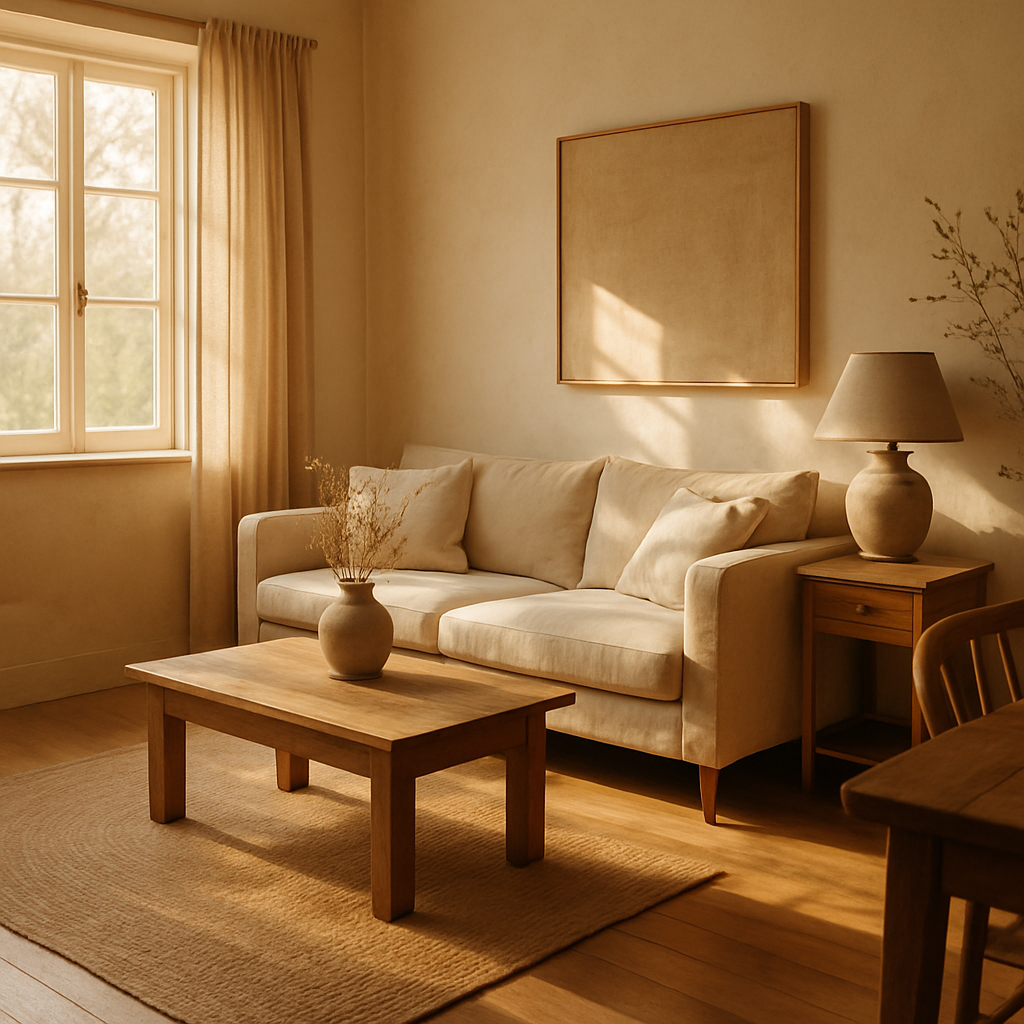
Have you ever walked into a room and felt an immediate sense of harmony and purpose? This isn't by accident. According to a recent survey by the American Society of Interior Designers (ASID), 87% of homeowners report that well-designed interiors positively impact their mood and productivity. Understanding the art of room interior design is not just about aesthetics; it's about creating spaces that enrich our lives. This comprehensive guide will walk you through the entire process of transforming a concept into reality, from foundational design principles to expert-level execution. You'll learn about the key stages of design, delve into actionable strategies to apply to your own projects, and explore the latest trends and insights from industry leaders.
Understanding Foundational Concepts in Interior Design
Before diving into the creative process, it's crucial to grasp the foundational concepts that underpin successful interior design. At its core, interior design is the art and science of enhancing a space to achieve a healthier and more aesthetically pleasing environment for the people using it. This involves a careful balance of function, form, and beauty. Certified interior designers, often holding credentials like NCIDQ (National Council for Interior Design Qualification), specialize in creating environments that meet rigorous standards of safety and accessibility, alongside visual appeal.
One fundamental principle is the understanding of space planning. This involves the allocation of space to different activities, ensuring that each area serves its intended purpose while maintaining an optimal flow throughout the room. For example, consider a living room where you might entertain guests, relax with family, or even work from home. How do you ensure that each activity has its designated spot without feeling cramped? Professionals achieve this by mapping out how each space is used, considering elements like traffic patterns and furniture arrangement.
Another key element is the balance between color and lighting. Colors can dramatically influence mood and perception of space, while lighting can enhance these effects or negate them if poorly executed. A well-lit room with a cohesive color palette can make a small space feel larger and more inviting, whereas mismatched hues and inadequate lighting can shrink a room and create a sense of discomfort. Understanding these foundational concepts sets the stage for deeper exploration into the art of interior design.
With a grasp on these basics, the next step is to analyze how these principles play out in real-world scenarios, supported by data and expert insights.
Delving Deeper: Data-Driven Design Analysis
The impact of interior design goes beyond visual appeal, significantly affecting property values and homeowner satisfaction. According to Houzz's annual survey, a well-executed interior design can increase a home's resale value by 5-15%. Homeowners investing in design projects reported higher satisfaction levels, with 84% stating that the changes positively impacted their day-to-day lives. These statistics underscore the importance of a strategic approach to design.
Experienced professionals often note that successful projects begin with a clear understanding of the client's needs and lifestyle. This involves in-depth consultations and possibly the use of advanced tools like AR/VR room visualization. These technologies allow clients to experience a virtual walk-through of their redesigned space before any physical changes occur, ensuring alignment between vision and execution. Platforms like Pinterest and Instagram also play a significant role in gathering inspiration and identifying style preferences.
Another critical factor is budget management. Interior design projects can vary widely in cost, from $5,000 for a single room redesign to over $150,000 for a full-home transformation. Understanding the fee structures, such as flat fees, hourly rates, or a percentage of the total project cost, allows clients to plan effectively and avoid surprises. By utilizing these data-driven insights, homeowners can make informed decisions that align with their aesthetic goals and financial realities.
With this deeper understanding, you're better equipped to implement actionable strategies in your own design projects.
Actionable Strategies for Transforming Your Space
Embarking on a room redesign can be daunting, but breaking it down into actionable steps can simplify the process. Start by clearly defining the purpose of each room. Are you looking for a serene space to unwind or a lively area for entertaining? Mapping out these intentions will guide every decision, from color schemes to furniture selection. For instance, a tranquil bedroom might incorporate soft, neutral tones and plush textures, while a vibrant dining area could feature bold colors and dynamic patterns.
Next, consider incorporating biophilic design elements, a 2026 trend that emphasizes the connection between indoor spaces and nature. This could mean integrating natural materials like wood and stone, or even installing a living wall of plants. Such additions not only enhance the aesthetic but also promote well-being by improving air quality and reducing stress. According to industry research, spaces that incorporate natural elements can boost productivity and creativity by up to 15%.
Finally, explore smart home integration. Modern design increasingly involves technology, from automated lighting and climate control to motorized window treatments. These features not only add convenience but also contribute to energy efficiency and sustainability. Imagine adjusting your home's lighting with a simple voice command or setting the perfect temperature from your smartphone. Do these strategies align with your vision for a modern, functional living space?
These strategies provide a roadmap for transforming your concepts into tangible, livable spaces. Next, we'll delve into expert insights that can elevate your design to a professional level.
Expert-Level Insights and Techniques
To truly elevate a room's design, consider insights from industry leaders. One approach is to embrace the concept of "quiet luxury," which emphasizes understated elegance through high-quality materials and craftsmanship. This trend focuses on subtle sophistication rather than ostentation, often seen in the use of luxurious fabrics, timeless furniture pieces, and a neutral color palette. It's about creating spaces that speak to quality and refinement without being overly showy.
Another technique is the Japandi style, a harmonious blend of Japanese minimalism and Scandinavian warmth. This approach combines clean lines and functional design with cozy textures and natural elements. Japandi is ideal for those who appreciate simplicity and elegance, offering a calming environment that feels both modern and inviting.
Additionally, sustainable and reclaimed materials are gaining traction as both an ethical choice and a design statement. Reclaimed wood, recycled metal, and eco-friendly textiles not only reduce environmental impact but also add unique character and history to a space. Are you ready to incorporate these innovative techniques into your designs?
Armed with these expert insights, you can further refine your design approach, ensuring that your space is both stylish and sustainable. In the next section, we'll explore additional dimensions of detail that contribute to a successful design project.
Additional Depth: The Devil is in the Details
While the broad strokes of design involve layout and style, the finer details often make the most significant impact. Consider the role of accessories and art in enhancing a room's character. Thoughtfully selected pieces can tie a design together, reflecting personal taste and adding layers of interest. Whether it's a statement chandelier or a collection of curated art, these elements provide a room with its unique personality.
Texture is another essential aspect often overlooked. Mixing materials like leather, velvet, and linen can create a rich, tactile experience that adds depth and dimension to a room. According to Architectural Digest, layering different textures is one of the simplest ways to add sophistication and coziness.
Lastly, don't underestimate the power of personal touches. Family photos, travel mementos, and heirloom pieces tell a story and make a space feel lived-in and loved. These elements are crucial in transforming a house into a home. How can you incorporate personal elements into your design while maintaining a cohesive aesthetic?
By paying attention to these details, you ensure that your design not only looks complete but also resonates on a personal level. Let's now wrap up this exploration by considering final perspectives and next steps.
Final Perspectives on Interior Design
As you reflect on the journey from concept to reality in interior design, it's clear that success lies in a comprehensive approach. By understanding foundational principles, leveraging data, and applying actionable strategies, you can create spaces that are both beautiful and functional. The integration of expert insights and attention to detail further enhances your design, ensuring it meets professional standards.
Are you ready to apply these principles to your own home? Whether you're a DIY enthusiast or plan to hire a certified interior designer, the knowledge shared here provides a robust foundation for achieving your design goals. Remember, the process is as important as the result, each step bringing you closer to a space that reflects your vision and lifestyle.
Conclusion: Bringing Your Design Vision to Life
In conclusion, the art of room interior design is a multifaceted process that transforms ideas into living spaces. From foundational concepts to expert techniques, each stage of the process requires careful consideration and creativity. The journey from concept to reality is both challenging and rewarding, offering the opportunity to craft environments that enhance daily living.
Take the first step today by exploring designer portfolios on platforms like Houzz or consulting with certified professionals through the ASID or IIDA directories. Start by browsing portfolios on these platforms this week - even 20 minutes of research will sharpen your eye for what you want. With a clear vision and the right resources, you can turn your dream space into reality.



Comments
Post a Comment