Frida Ramstedt's Interior Design Handbook: A Must-Read for Modern Decor Enthusiasts
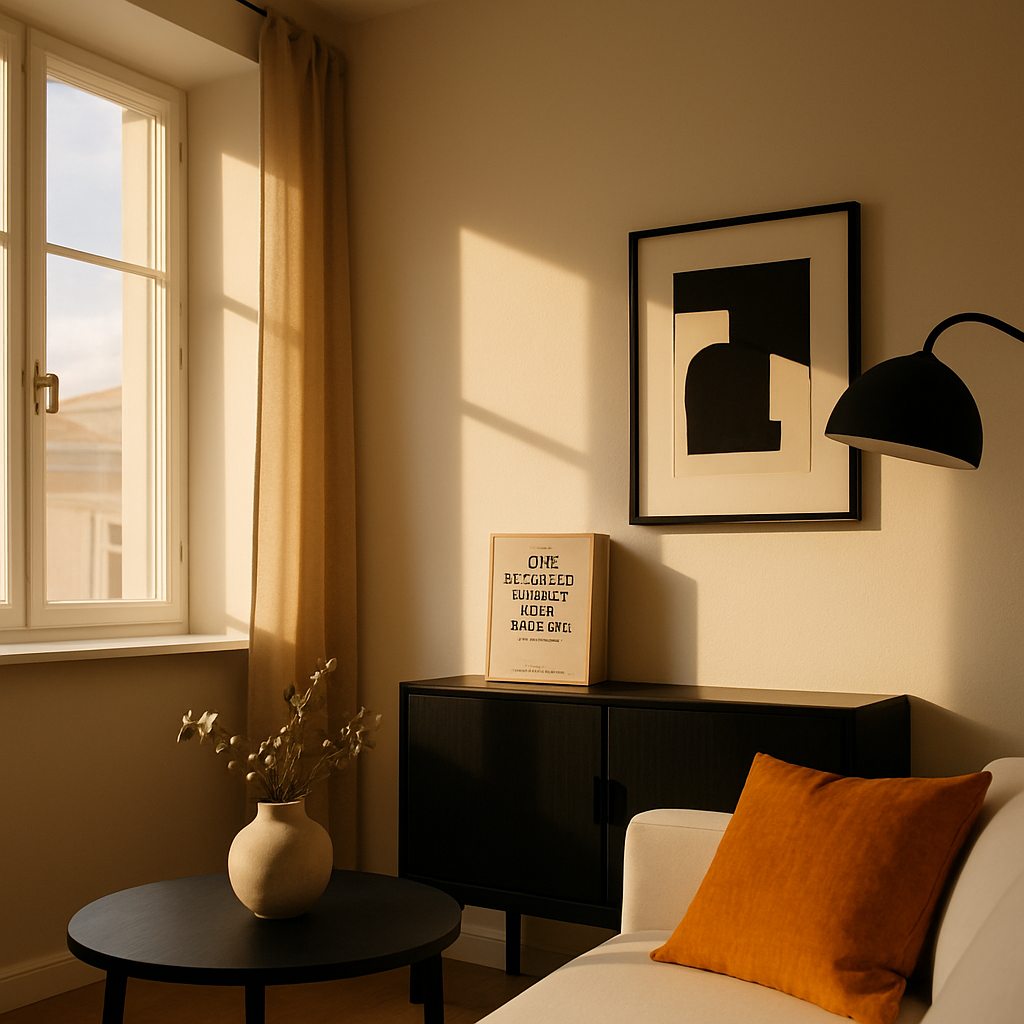
Imagine transforming your living space with just a book in hand. Frida Ramstedt's Interior Design Handbook promises exactly that. For modern decor enthusiasts, this book is a treasure trove of insights that demystifies the art and science of interior design. Unlike traditional design books that often emphasize aesthetics alone, Ramstedt's work serves as a practical guide for creating spaces that are not only beautiful but functional and personalized. This article will explore foundational concepts presented in the handbook, provide deeper analysis using relevant data, offer actionable strategies, and dive into expert-level insights that make this book a must-have for anyone serious about interior design.
Foundational Concepts of Interior Design
At the heart of Frida Ramstedt's Interior Design Handbook are the foundational concepts that guide the reader through the complexities of interior design in a straightforward manner. Ramstedt emphasizes understanding the principles of balance, proportion, and harmony, which are central to creating a cohesive space. These principles are not merely about aesthetics; they play a crucial role in how a space is perceived and functioned. By mastering these basics, design enthusiasts can make more informed decisions about furniture placement, color schemes, and lighting.
One of the most impactful lessons from the handbook is the concept of "designing for the senses." This approach encourages individuals to consider how different elements of a room affect the senses, from the texture of materials to the acoustics of a space. This sensory awareness enhances the overall experience of a room, making it more inviting and comfortable. Do you often find yourself frustrated by a room that looks good but feels off? Understanding these sensory elements can bridge that gap.
Moreover, Ramstedt introduces the idea of "functional aesthetics," where beauty serves a purpose beyond mere visual appeal. This concept is particularly relevant in modern homes where space is often limited. By focusing on functional aesthetics, you can create a space that is both beautiful and practical, avoiding the common pitfall of style over substance. This foundational understanding sets the stage for deeper exploration into the data-driven aspects of design.
Data-Driven Design Insights
Frida Ramstedt's approach to interior design is grounded in data, offering readers a more analytical perspective on creating their ideal spaces. According to the American Society of Interior Designers (ASID), well-designed interiors can increase a home's resale value by 5-15%. Ramstedt's handbook takes this statistic further by showing how these gains are achieved through strategic design choices that appeal to potential buyers, such as neutral color palettes and flexible room layouts.
Additionally, the handbook references Houzz's annual survey data, which indicates that homeowners who invest in professional design services report a 90% satisfaction rate with their projects. This high level of satisfaction underscores the importance of informed design decisions that are backed by industry research. Ramstedt's guidelines help readers replicate this success by focusing on data-informed strategies, such as optimizing natural light and selecting materials that enhance thermal comfort.
For those interested in sustainable design, Ramstedt provides insights into the use of reclaimed materials, which are becoming increasingly popular. The International Interior Design Association (IIDA) reports that sustainable materials are not only environmentally friendly but also contribute to a healthier indoor environment. Frida's handbook guides readers on how to source and incorporate these materials effectively, making it an invaluable resource for eco-conscious decorators.
Actionable Strategies for Home Transformation
What sets Frida Ramstedt's handbook apart is its emphasis on actionable strategies that readers can implement immediately. One of the key strategies involves conducting a "space audit" to assess how each area of your home is currently being used. This process helps identify underutilized spaces or areas that could be repurposed for greater functionality. Have you ever walked through your home and felt certain areas were wasted? A space audit can reveal new possibilities.
Another practical strategy is the "layered lighting" approach, which involves combining ambient, task, and accent lighting to create a dynamic and adaptable lighting scheme. This strategy is supported by research from the National Council for Interior Design Qualification (NCIDQ), which highlights the importance of layered lighting in enhancing both the mood and functionality of a space. Ramstedt provides step-by-step guidance on how to implement this technique, making it accessible even for design novices.
Furthermore, the handbook encourages readers to embrace the trend of biophilic design, which incorporates natural elements into interior spaces. This trend not only enhances aesthetic appeal but also improves mental health and well-being, as studies have shown that access to natural elements can reduce stress and increase productivity. By following Ramstedt's advice on integrating plants, natural materials, and outdoor views, readers can transform their homes into calming retreats.
Expert-Level Insights for Advanced Design
For those seeking expert-level insights, Frida Ramstedt offers advanced techniques that reflect current industry trends. Experienced professionals often note the increasing demand for smart home integration in design projects. Ramstedt's handbook explores how integrating smart technology, such as automated window treatments and climate control systems, can enhance the functionality and efficiency of a home.
Another advanced insight from the handbook is the concept of "quiet luxury," which focuses on understated elegance rather than ostentatious displays. This trend is gaining popularity among high-end clients who prefer subtle sophistication. Ramstedt provides examples of how to achieve this look through the use of high-quality, timeless materials and careful attention to detail. This insight is particularly valuable for those looking to elevate their design without resorting to excess.
Additionally, the handbook delves into the emerging trend of Japandi design, a fusion of Japanese minimalism and Scandinavian warmth. This style is characterized by clean lines, muted colors, and natural materials, creating serene and harmonious spaces. Ramstedt's detailed guidance on implementing Japandi design ensures that readers can achieve this sought-after aesthetic, adding a unique touch to their homes.
Additional Depth: The Role of Technology and Trends
In today's rapidly evolving design landscape, technology plays a pivotal role in both the process and outcome of interior design projects. Frida Ramstedt's handbook highlights the use of AR/VR room visualization tools, which are becoming increasingly popular among designers. These tools allow clients to virtually walk through their redesigned spaces before any physical changes are made, enhancing both communication and satisfaction. Have you ever struggled to visualize how a design will look in real life? These tools can bridge that gap.
Ramstedt also explores the role of social media platforms like Instagram and Pinterest in shaping design trends. These platforms not only provide endless inspiration but also allow designers to showcase their work and connect with potential clients. The handbook offers practical tips on leveraging these platforms effectively, making it a valuable resource for both professional designers and DIY enthusiasts.
Furthermore, the handbook addresses the growing trend of personalized design, where spaces are tailored to reflect the individual tastes and lifestyles of their occupants. Ramstedt emphasizes the importance of incorporating personal mementos and unique artwork to create spaces that truly resonate with their inhabitants. This personalized approach is what ultimately transforms a house into a home, offering a sense of belonging and identity.
Final Perspectives on the Interior Design Handbook
Frida Ramstedt's Interior Design Handbook is more than just a guide; it is an essential resource for anyone passionate about modern decor. By combining foundational concepts, data-driven insights, and actionable strategies, Ramstedt empowers readers to become their own designers. The handbook's emphasis on both aesthetics and functionality ensures that readers can create spaces that are not only beautiful but also practical and reflective of their personal style.
Whether you are a seasoned professional or a novice looking to explore the world of interior design, this handbook offers something for everyone. Its comprehensive coverage of design trends, technology, and personalization makes it a must-read for anyone looking to enhance their living spaces. Are you ready to take your home decor to the next level? Ramstedt's handbook provides the tools and inspiration you need to get started.
Conclusion
In conclusion, Frida Ramstedt's Interior Design Handbook is a vital resource for modern decor enthusiasts seeking to elevate their design skills. Its blend of foundational knowledge, data-driven insights, and practical strategies offers a comprehensive framework for creating beautiful and functional spaces. By following Ramstedt's guidance, readers can confidently tackle any design challenge, knowing they have the expertise to make informed decisions.
Start by exploring the design concepts outlined in the handbook and consider how they can be applied to your home. Whether you're reimagining a single room or undertaking a whole-home redesign, the insights from this book will be invaluable. Begin your journey by spending some time this week browsing designer portfolios on platforms like Houzz or Pinterest. Even a brief 20 minutes can spark inspiration and help you refine your vision. Ready to transform your space? The journey begins now.



Comments
Post a Comment