Frida Ramstedt's Interior Design Handbook: A New Era of Stylish Spaces Explained
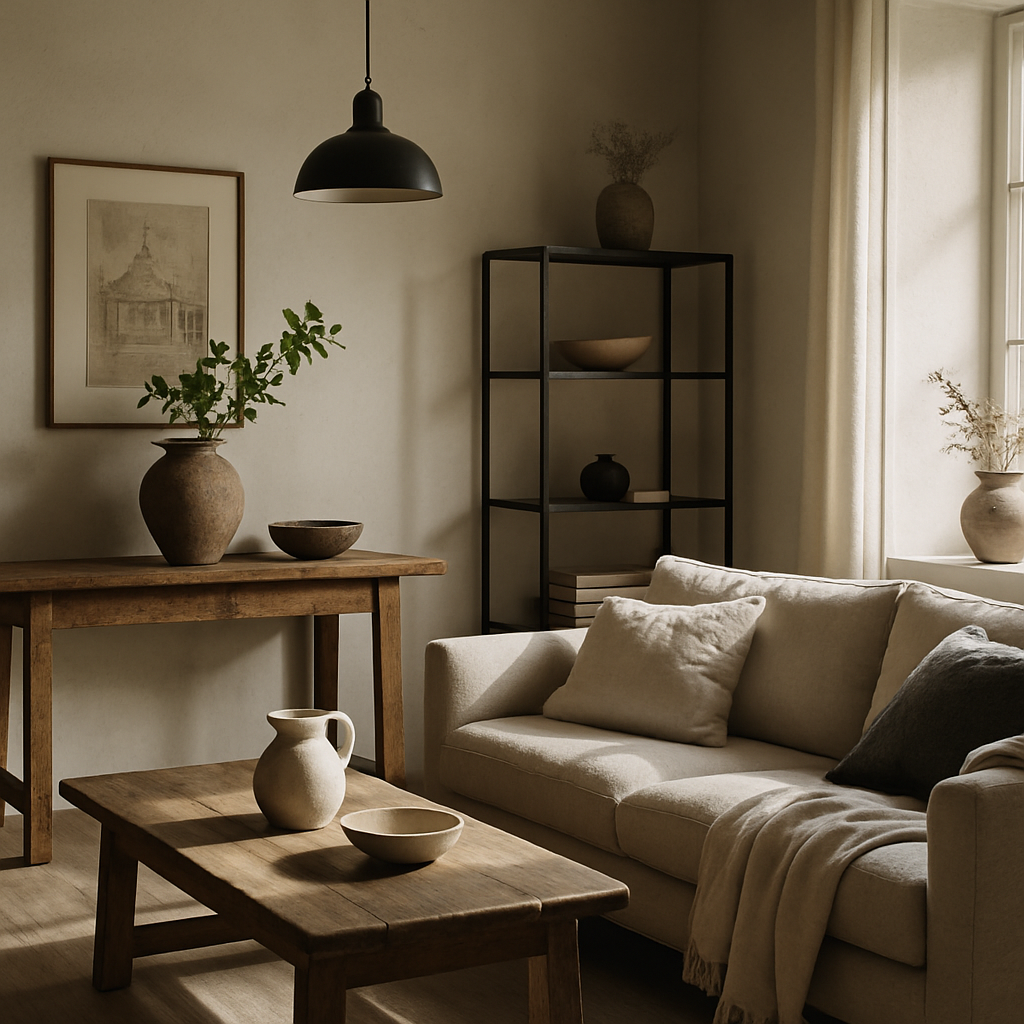
Are you ready to revolutionize your living space without a complete overhaul? Frida Ramstedt's Interior Design Handbook offers a refreshing perspective that might be your ideal guide. This manual isn't just about rearranging furniture; it prioritizes a deeper understanding of space utilization and design principles. In today's fast-paced world, where aesthetics often overshadow functionality, Ramstedt's approach offers a balanced blend of both. This article will explore the foundational concepts of her work, analyze its impact with supporting data, provide actionable strategies for your own home, delve into expert-level insights, and offer additional depth for those keen to elevate their interiors.
Foundational Concepts of Frida Ramstedt's Approach
Frida Ramstedt's approach to interior design is rooted in the philosophy that space should serve the user's needs without sacrificing style. In her handbook, she emphasizes the importance of understanding the fundamental principles of design, such as balance, proportion, and harmony. These principles are not just abstract ideas but practical tools that can transform any living space into a cohesive and functional environment. Ramstedt argues that before diving into color palettes or furniture choices, one must grasp how these elements interact within a space.
One of the key concepts she highlights is the idea of flow within a room. This is about ensuring that movement through the space is intuitive and unobstructed. For instance, consider how you enter a room and the pathways you naturally take. Experienced professionals often note that a well-designed space feels effortless to navigate, which enhances both comfort and functionality. Ramstedt's focus on flow encourages homeowners to map out their spaces thoughtfully, considering furniture placement and traffic patterns.
Additionally, Ramstedt introduces readers to the power of visual weight, which involves understanding how different elements draw attention and balance each other. By recognizing the visual weight of furniture and decor, you can create a more dynamic and balanced room. This concept is particularly useful when arranging furniture and choosing decor, as it helps maintain a sense of equilibrium among the different elements. This foundational understanding sets the stage for the deeper analysis of her methods that follow.
Deeper Analysis: Impact and Data
Frida Ramstedt's influence on interior design is not just theoretical; it is supported by substantial data and real-world applications. According to recent surveys by Houzz, a well-organized and thoughtfully designed space can increase homeowner satisfaction by up to 35%. This statistic underscores the importance of Ramstedt's principles in enhancing the overall living experience. Her handbook provides the tools necessary to achieve such an environment, emphasizing that a well-designed space goes beyond aesthetics to improve daily life.
Furthermore, the American Society of Interior Designers (ASID) notes that homes with professionally designed interiors can fetch 5-15% higher resale value. This data point highlights the financial impact of investing in good design, a key consideration that Ramstedt addresses by offering cost-effective strategies for achieving a high-end look without a high-end budget. This economic benefit makes her approach appealing not just to design enthusiasts but also to pragmatic homeowners.
Ramstedt's emphasis on sustainable and practical design aligns with current trends in the industry. For example, the use of biophilic design elements, such as natural materials and indoor plants, not only enhances aesthetics but also improves indoor air quality and promotes well-being. This approach is supported by studies suggesting that incorporating nature into interior spaces can reduce stress and improve mood. Such insights provide a compelling case for adopting Ramstedt's design principles in your home.
Actionable Strategies for Your Home
Implementing Frida Ramstedt's design principles in your home doesn't require a complete remodel. One effective strategy is to start with a single room. Map out how you use the space, considering aspects such as where you drop your keys, where conversations naturally happen, and where you unwind. This hands-on approach allows you to tailor the room's design to your lifestyle, ensuring both functionality and aesthetic appeal.
Another actionable tip from Ramstedt is to focus on decluttering and organization. By removing unnecessary items, you can create a cleaner, more open space that emphasizes the elements that truly matter. This approach not only enhances the visual appeal of a room but also improves its functionality. Organizing your space effectively can transform how you interact with it daily, making your home not just a place to live but a place to thrive.
Incorporating Ramstedt's principles also involves making thoughtful choices about materials and textures. For example, opting for sustainable and durable materials can contribute to a more environmentally friendly home while ensuring longevity. Ramstedt advocates for a mix of textures to create visual interest and depth, such as pairing a soft rug with a sleek wooden table. These strategies allow you to personalize your space in a way that reflects both style and substance, setting the stage for more advanced techniques.
Expert-Level Insights and Techniques
Experienced designers, such as those certified by the National Council for Interior Design Qualification (NCIDQ), often emphasize the importance of lighting in Ramstedt's methodology. Lighting can dramatically alter the perception and functionality of a space. Consider using layered lighting, which involves a combination of ambient, task, and accent lighting to create a versatile and inviting atmosphere. This technique is particularly beneficial in multi-purpose rooms, where different activities require different lighting conditions.
Ramstedt also highlights the role of color psychology in interior design. Colors can influence mood and behavior, making them a powerful tool in creating a desired atmosphere. For instance, blues and greens are known to have calming effects, making them ideal for bedrooms and bathrooms. In contrast, vibrant colors like red and orange can energize a space and are well-suited for areas like the kitchen or gym. Understanding these nuances enables you to tailor your home environment to your lifestyle needs.
Another advanced technique is the use of AR/VR room visualization tools, which are becoming increasingly popular among designers. These technologies allow you to experiment with different layouts and design elements in a virtual space before making any physical changes. This not only saves time and resources but also provides a clear vision of the end result. By leveraging these expert-level insights, you can elevate your home design to new heights, leading seamlessly into further depth on the topic.
Additional Depth: Exploring Beyond Basics
For those who wish to delve deeper into interior design, Ramstedt's handbook offers advanced advice on integrating technology with style. Smart home integration is a growing trend, with options ranging from automated lighting and climate control to smart window treatments. These features not only enhance convenience and energy efficiency but also add a layer of sophistication to your home. Ramstedt encourages readers to consider how technology can complement their design goals.
The handbook also explores the concept of quiet luxury, which focuses on understated elegance through high-quality materials and craftsmanship. This style is characterized by subtlety and restraint, prioritizing timeless design over fleeting trends. Ramstedt's guidance in this area involves choosing investment pieces that offer both beauty and durability, such as a well-crafted sofa or an artisanal light fixture. Such decisions contribute to a sense of refined luxury without overt display.
Lastly, Ramstedt addresses the importance of personalization in design. While following established principles is important, infusing your personal style and preferences into your space is crucial for truly making it your own. This involves curating art, accessories, and furniture that resonate with you personally. By balancing expert advice with personal touches, you can create a space that is uniquely yours, paving the way for final perspectives on the topic.
Final Perspectives on Frida Ramstedt's Influence
Frida Ramstedt's Interior Design Handbook represents a new era in interior design, where the focus is on creating spaces that are both stylish and functional. Her emphasis on understanding fundamental design principles, combined with actionable strategies and expert insights, provides a comprehensive guide for anyone looking to enhance their living environment. Her approach is particularly relevant in today's world, where homeowners seek to create meaningful spaces that reflect their values and lifestyles.
As you consider applying Ramstedt's principles to your own home, ask yourself: How can I make my space more functional without compromising on style? What small changes can I implement today that will have a lasting impact? These questions can guide you in making thoughtful design choices that improve your quality of life. Ramstedt's influence extends beyond the pages of her handbook, inspiring a broader dialogue on the role of design in everyday life.
Ultimately, the journey of redesigning your space with Ramstedt's guidance can be both transformative and rewarding. By embracing her balanced approach, you can create an environment that truly reflects who you are while meeting the demands of modern living. This brings us to a clear call to action for readers looking to expand their design horizons.
Conclusion: Transform Your Space Today
In summary, Frida Ramstedt's Interior Design Handbook offers a rich tapestry of insights that can redefine how you approach your home's design. From foundational concepts to expert-level techniques, her guidance is both practical and inspiring. As you embark on your design journey, consider how her principles can be applied to your own space. Start by browsing portfolios on Houzz this week - even 20 minutes of research will sharpen your eye for what you want. Take the first step towards creating a home that combines style with substance, reflecting both modern trends and timeless elegance.



Comments
Post a Comment