Find Your Perfect Interior Design Match: Quiz Your Style Now!
Have you ever stood in a furniture store, overwhelmed by choices, wondering why that sleek modern sofa doesn't quite fit your personality? You're not alone. According to a Houzz survey, 46% of homeowners find it challenging to pinpoint their design style. But what if the key to your ideal space was hidden in the details of your day-to-day life? Understanding your personal style is crucial to creating a home that feels authentic and cohesive. This article will guide you through foundational concepts of design styles, present deeper analyses backed by data, offer actionable strategies to define your style, and provide expert insights that will elevate your design journey. By the end, you'll have a clear path forward to discovering and embracing your perfect interior design match.
Understanding Interior Design Styles
Before diving into the vast world of interior design, it's essential to understand the foundational concepts that define various styles. Generally, design styles can be categorized into broad themes such as modern, traditional, and transitional. Each of these categories encompasses myriad sub-styles that reflect different historical periods, cultural influences, and aesthetic principles. For instance, the modern style is characterized by clean lines and minimalistic elements, while traditional styles often feature intricate details and classic furnishings.
Modern interior design tends to prioritize function and simplicity. It's about using space efficiently and focusing on the essentials. This style often incorporates industrial materials like steel and glass with neutral color palettes. On the other hand, traditional design celebrates ornate details and rich textures, drawing inspiration from the 18th and 19th centuries. Think of it as the design equivalent of a classic novel-timeless and intricate. Transitional design serves as a bridge between these two styles, blending modern simplicity with traditional warmth.
Why is it important to grasp these concepts? Knowing the foundation allows you to articulate what resonates with you. When you walk into a room, do you gravitate towards the sleek and uncluttered, or does the comfort of a plush, patterned sofa call your name? Understanding these styles helps you communicate your preferences to designers or when making purchasing decisions. This foundational knowledge sets the stage for a deeper exploration of your personal style.
Next, we'll delve into how data and trends can further illuminate your design preferences and refine your understanding of what you truly love.
Data-Driven Insights on Design Preferences
In today's data-rich environment, understanding trends and statistics can offer profound insights into interior design preferences. According to Houzz's annual survey, 78% of homeowners who recently renovated their homes reported an increased sense of enjoyment and comfort in their new spaces. This highlights the impact of aligning design choices with personal preferences. But how do you identify these preferences? Data collected from platforms like Pinterest and Instagram can be pivotal in this process.
On Pinterest, for instance, popular trends such as Japandi, a fusion of Japanese minimalism and Scandinavian warmth, have seen a 32% increase in saves over the past year. This trend reflects a growing desire for spaces that exude tranquility and simplicity, blending functionality with aesthetic appeal. Similarly, Instagram hashtags related to #biophilicdesign-a style emphasizing natural elements-have surged, indicating a collective shift towards incorporating nature into home environments.
Experienced professionals often note that these data points are not just fleeting trends; they're reflective of broader cultural shifts. As more people lean towards sustainable and minimalist lifestyles, design preferences naturally evolve. By tapping into these data-driven insights, you can better understand not just what is trending, but what resonates with you personally. This knowledge becomes invaluable as you move towards defining your own style.
Armed with these insights, the next step involves taking actionable strategies to refine and articulate your design preferences.
Actionable Strategies to Discover Your Style
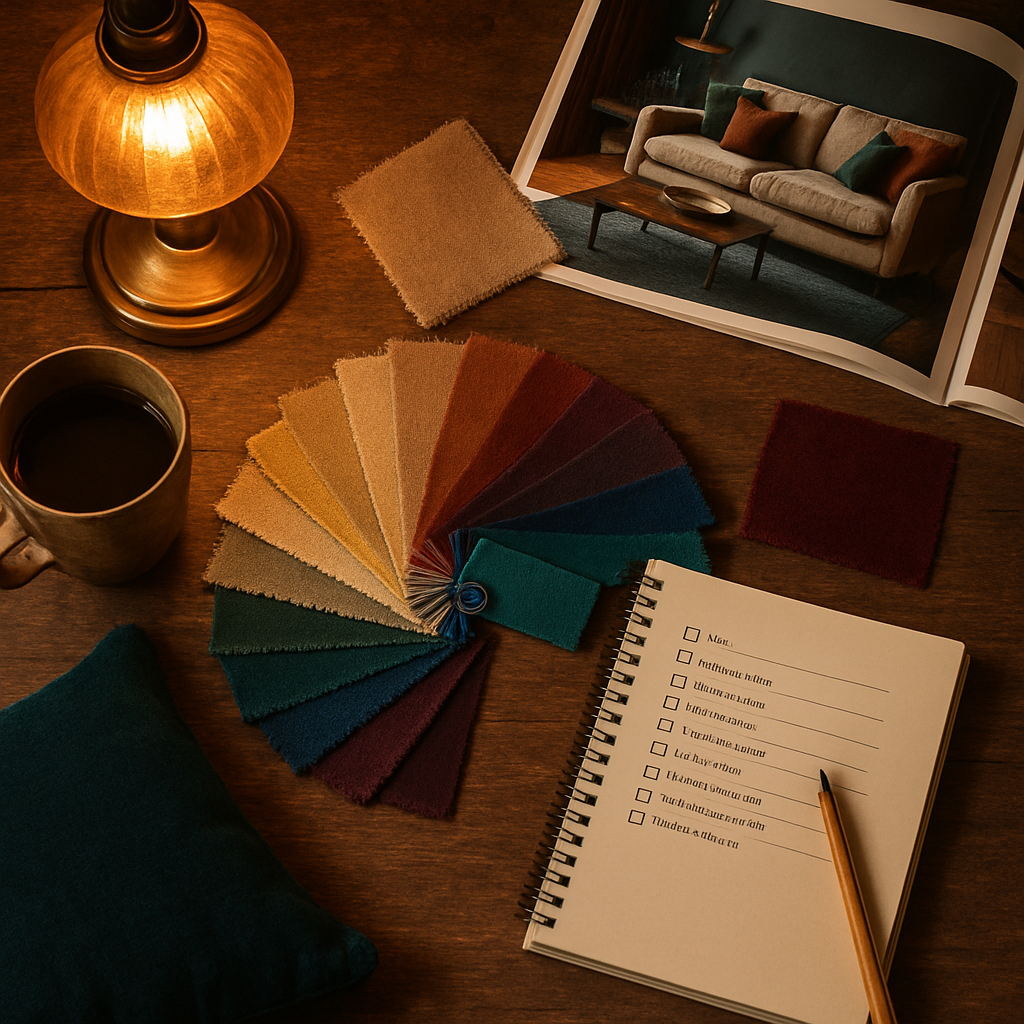
Now that you've explored the foundational styles and analyzed trends, it's time to take actionable steps towards discovering your unique interior design style. Start by creating a mood board. Platforms like Houzz and Pinterest are excellent resources for this. Collect images of spaces, furnishings, and color palettes that speak to you. This visual representation serves as a tangible reflection of your style and helps in communicating your vision to designers or when shopping for pieces.
Another effective strategy is to evaluate your current space. Walk through each room and take note of what you love and what feels off. Do the colors inspire calm or creativity? Are the furniture pieces functional and aesthetically pleasing? This self-assessment provides clarity on what aspects of your style are already present and what areas need adjustment. It's important to ask yourself: Does this space reflect my personality and lifestyle?
Finally, consider taking an interior design quiz. Many websites, such as Architectural Digest, offer style quizzes that can help narrow down your preferences based on your responses to various scenarios and visual stimuli. While these quizzes are not definitive, they can provide a starting point for deeper exploration. Ultimately, these strategies empower you to make informed decisions and transform your home into a space that is uniquely yours.
Having established a clearer understanding of your style, let's delve into expert insights that can further refine your approach.
Expert Insights for Refining Your Style
When it comes to interior design, the expertise of seasoned professionals can elevate your approach from amateur to sophisticated. Certified interior designers, those holding credentials such as NCIDQ (National Council for Interior Design Qualification) or ASID (American Society of Interior Designers), emphasize the importance of considering functionality alongside aesthetics. According to the International Interior Design Association (IIDA), a well-designed space should not only be beautiful but also enhance the quality of life for its occupants.
One insider tip from professionals is to invest in key statement pieces that anchor a room. This could be a unique piece of artwork or a high-quality sofa. These items serve as focal points and can influence the overall design direction. Additionally, experts suggest layering textures and materials to add depth and interest-a strategy that can be particularly effective in minimalist spaces where visual interest might otherwise be lacking.
Moreover, experienced designers often use AR/VR room visualization tools to assist clients in visualizing potential changes before committing. This technology allows you to 'walk through' a redesigned space and make adjustments in real time. Such tools can be accessed through platforms like Houzz, offering an interactive way to experiment with different styles and layouts. Understanding these expert strategies equips you to make decisions that are both informed and inspired.
As you continue to refine your style, let's explore additional nuances and depth that can enhance your design process.
Adding Depth to Your Design Process
Beyond foundational concepts and expert tips, adding depth to your interior design process involves exploring the subtleties that make a space truly unique. One such aspect is personalization. Incorporating personal elements like family heirlooms or travel souvenirs can inject character and tell a story within your home. This approach not only makes your space feel more intimate but also ensures that it reflects your journey and experiences.
Another layer of depth comes from understanding the psychological effects of design elements. Studies have shown that colors can significantly impact mood and behavior. For example, blue hues are often associated with calmness and productivity, making them ideal for home offices or bedrooms. In contrast, vibrant colors like red can energize a space, suitable for social areas like living rooms or dining spaces. By considering these psychological factors, you can create environments that not only look good but also feel right.
Finally, sustainability is a growing concern in interior design. Incorporating eco-friendly materials and practices not only benefits the environment but also adds a layer of conscientiousness to your design process. Consider using reclaimed wood or sustainable textiles to reduce your carbon footprint. This trend towards sustainability aligns with broader societal values and can enhance the longevity and ethical footprint of your design choices.
As we wrap up, let's consider how these elements come together to create a cohesive design journey.
Final Perspectives on Designing Your Perfect Space
Designing your perfect space is a journey that combines introspection, exploration, and expert guidance. As you've discovered, understanding your style begins with foundational knowledge of design principles, followed by leveraging data and trends to refine your preferences. By taking actionable steps like creating mood boards and utilizing technology, you gain clarity and direction. Expert insights further enhance your ability to make informed decisions that reflect both functionality and aesthetics.
Ultimately, the goal is to create a space that not only looks beautiful but also resonates with your personal experiences and values. Every choice, from the colors you select to the materials you use, contributes to a narrative unique to you. Have you considered how each element in your home tells a part of your story? By embracing this perspective, you craft environments that are not only visually appealing but also deeply personal.
As you continue your design journey, remember that it's about more than just aesthetics-it's about creating environments that enhance your life.
Your next step is clear. Start by browsing designer portfolios on Houzz or Instagram this week. Even dedicating 20 minutes to this research will sharpen your eye for what resonates with you.



Comments
Post a Comment