Exploring Sustainable Architecture: How It Transforms Interior Design Trends in 2023
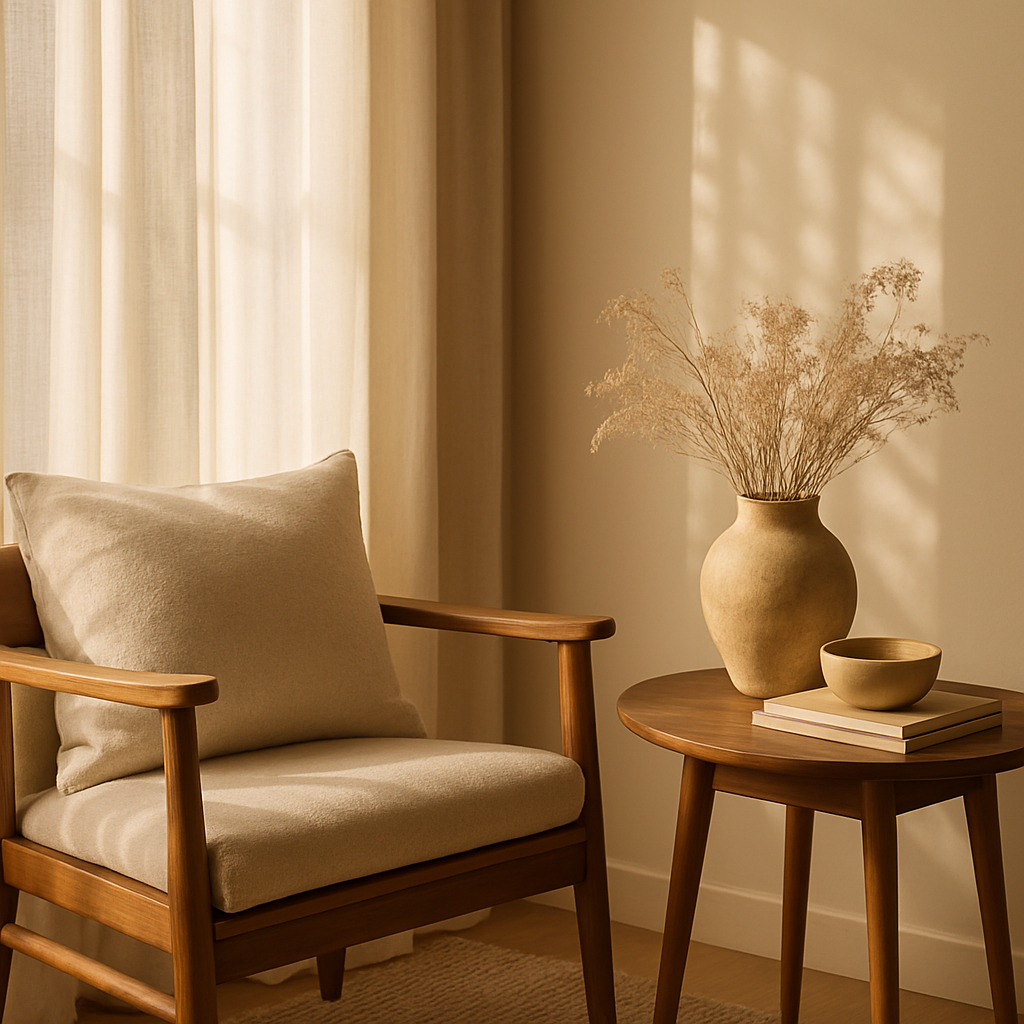
Imagine walking into a home where the air feels cleaner, the materials tell a story of eco-responsibility, and every element is part of a cohesive, sustainable design. Industry surveys suggest that as of 2023, nearly 70% of homeowners express a strong preference for eco-friendly designs. This shift towards sustainable architecture is dramatically influencing interior design trends, blending environmental responsibility with aesthetic innovation. In this article, we'll explore the foundational concepts of sustainable architecture, delve into current trends driving interior design, offer actionable strategies for incorporating these principles into your projects, and provide expert insights into the future of sustainable design.
The Foundations of Sustainable Architecture
Sustainable architecture is not just about building structures that are environmentally friendly; it's about creating spaces that work in harmony with their natural surroundings. At the core of this concept is the use of materials that minimize environmental impact, such as reclaimed wood, recycled metal, and bamboo. These materials not only reduce waste but also offer unique textures and stories, adding depth and character to interior spaces.
Incorporating natural light is another foundational principle. By designing spaces that maximize daylight, architects can significantly reduce the need for artificial lighting, thereby cutting energy consumption. For instance, strategically placed windows and skylights can illuminate interiors beautifully while maintaining privacy and thermal comfort. This approach not only benefits the environment but also enhances the well-being of the occupants.
Moreover, sustainable architecture emphasizes energy efficiency through advanced building technologies. This includes the integration of smart home systems that automate lighting, heating, and cooling to optimize energy use. Experienced professionals often note that these innovations not only lower utility bills but also increase the resale value of a home by up to 15%, a compelling reason for homeowners to consider sustainable upgrades.
Current Trends in Sustainable Interior Design
As sustainable architecture gains traction, its influence on interior design is becoming increasingly evident. One of the most notable trends is the rise of biophilic design, which seeks to connect occupants with nature. This involves the use of natural elements like indoor plants, water features, and organic materials to create calming and rejuvenating spaces.
Another emerging trend is the quiet luxury movement, characterized by understated elegance and high-quality materials that prioritize longevity over opulence. According to the American Society of Interior Designers (ASID), this trend reflects a growing consumer desire for timeless, sustainable interiors that eschew fleeting fashion trends. It's about investing in fewer, better pieces that stand the test of time.
Smart home integration is also a significant trend in 2023, with designers increasingly incorporating technology into sustainable interiors. Automated lighting, climate control systems, and even window treatments that adjust based on sunlight exposure are becoming standard. These innovations not only enhance convenience but also contribute to energy efficiency, aligning with the principles of sustainable design.
Actionable Strategies for Sustainable Design
Are you ready to integrate sustainable principles into your home design? Start by assessing the materials you already have. Reclaimed wood, recycled glass, and bamboo are excellent choices for flooring, furniture, and accents. Houzz offers a wealth of resources and inspiration for incorporating these materials into your projects.
Consider the layout of your space and how natural light can be optimized. Simple changes, such as repositioning furniture, can enhance light flow and reduce the need for artificial lighting. If you're planning renovations, discuss the possibility of adding skylights or larger windows with your designer to maximize daylighting.
Embrace smart technology to make your home more energy-efficient. Installing programmable thermostats and smart lighting systems can significantly reduce energy consumption. Platforms like AD PRO provide guidance on the latest smart home technologies and how they can be seamlessly integrated into your design.
Expert Insights into Sustainable Design Practices
According to the International Interior Design Association (IIDA), certified interior designers are increasingly focusing on sustainability in their practices. This shift is driven by both consumer demand and a growing recognition of the environmental impact of traditional design methods. Designers with credentials like the NCIDQ (National Council for Interior Design Qualification) are leading the way in adopting sustainable practices.
Experienced professionals often highlight the importance of collaboration between architects, designers, and clients to achieve truly sustainable outcomes. This collaborative approach ensures that sustainability is considered at every stage of a project, from concept development to installation. It also allows for creative solutions that meet the specific needs of the client while minimizing environmental impact.
Moreover, industry experts recommend staying informed about advances in sustainable materials and technologies. Attending conferences, engaging with professional organizations, and following thought leaders in the field can provide valuable insights and keep you ahead of the curve in sustainable design.
Additional Considerations for Sustainable Interiors
Beyond the basics of materials and technology, sustainable interior design also involves thoughtful consideration of space utilization. How can spaces be designed to adapt to changing needs over time? Flexible, multi-functional spaces that can be easily reconfigured are becoming more popular, allowing homes to evolve without the need for extensive renovations.
Sustainable design also encourages the use of locally sourced materials and products to reduce transportation emissions. Supporting local artisans and manufacturers not only benefits the environment but also strengthens local economies. This approach aligns with the principles of the Japandi design trend, which combines Japanese minimalism with Scandinavian warmth, emphasizing simplicity and quality.
Finally, consider the lifecycle of the products you choose. Opt for furnishings and decor that are built to last and can be easily repaired or recycled at the end of their life. This not only reduces waste but also supports a circular economy, where resources are reused and recycled rather than discarded.
Final Perspectives on Sustainable Architecture and Design
As we look to the future, it's clear that sustainable architecture will continue to shape interior design trends. The benefits of eco-friendly design, from enhanced well-being to increased property value, are too significant to ignore. As more homeowners and designers embrace these principles, the demand for sustainable solutions will only grow.
However, the journey toward sustainability is ongoing. As new technologies and materials emerge, the landscape of sustainable design will continue to evolve. It's an exciting time for those passionate about creating beautiful, responsible spaces that respect the planet and enhance our quality of life.
Conclusion: Embrace Sustainable Design Today
In summary, sustainable architecture is revolutionizing interior design by prioritizing environmental responsibility and aesthetic innovation. From biophilic design to smart home integration, the trends of 2023 offer numerous opportunities to create eco-friendly spaces that are both beautiful and functional. Are you ready to make your home more sustainable? Start by browsing portfolios on Houzz this week - even 20 minutes of research will sharpen your eye for what you want. The future of design is sustainable, and it's time to be part of the change.



Comments
Post a Comment