Exploring New York Times' Best Interior Design Ideas for Your Home
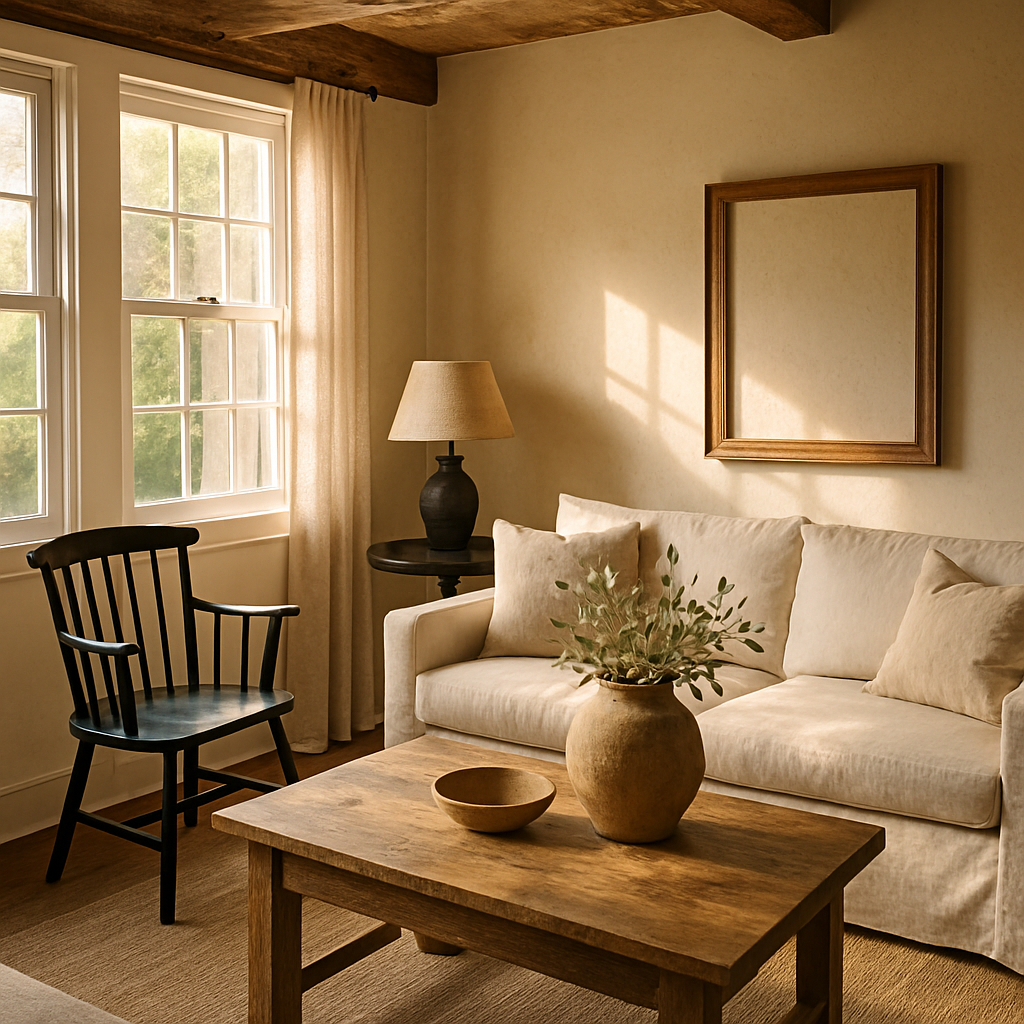
Imagine stepping into a home where every corner reflects your personality, yet maintains a sense of elegance and functionality. According to a survey by the American Society of Interior Designers (ASID), 68% of homeowners are prioritizing design elements that enhance comfort and functionality. This shift in priorities is beautifully captured in the New York Times' best interior design ideas, which offer a treasure trove of inspiration for creating a space that's uniquely yours. In this article, we'll delve into these ideas, providing foundational concepts, deeper analyses, actionable strategies, expert insights, and additional depth to help you transform your home. Whether you're embarking on a full-scale renovation or a simple refresh, these insights will guide you every step of the way.
Understanding Foundational Concepts in Interior Design
Interior design begins with understanding the foundational concepts that govern space, color, and texture. The New York Times emphasizes the importance of spatial planning as the cornerstone of any successful design project. It involves analyzing how each room functions and flows into the next. For instance, mapping out where you naturally drop your keys, where family members gather, and where quiet time is spent can significantly influence your layout decisions. This thoughtful planning ensures that every square foot serves a purpose.
Color theory is another critical element that can dramatically impact the mood and perception of space. The New York Times often highlights how the right color palette can make a room feel larger or cozier. For example, light colors can open up a small room, while darker shades add sophistication and intimacy. Experienced professionals often note that choosing colors involves more than personal preference; it requires considering light sources, room size, and the psychological effects of different hues.
Texture adds depth and interest to a room, preventing it from falling flat. According to the International Interior Design Association (IIDA), incorporating a variety of textures-from soft fabrics to hard surfaces-creates a layered, inviting atmosphere. The New York Times recommends mixing materials like wood, metal, and textiles to achieve a balanced and harmonious look. As you explore these foundational concepts, consider how they apply to your home and what adjustments might enhance your living space. This sets the stage for diving deeper into specific design elements.
Diving Deeper into Design: Analysis and Data
Delving into data-driven design principles can offer insights that go beyond personal aesthetics. The New York Times often cites studies showing how certain design elements improve not just the look of your home, but its value. For instance, a well-designed interior can increase a property's resale value by 5-15%, a statistic frequently highlighted by Houzz surveys. This reinforces the importance of investing in design elements that are both stylish and practical.
The data also shows a growing trend towards sustainable and biophilic design. According to a recent survey by Houzz, eco-friendly materials and natural elements are becoming increasingly popular among homeowners. Incorporating elements like living walls, reclaimed wood, and natural stone not only supports environmental sustainability but also enhances indoor air quality and overall well-being. The New York Times often features homes that integrate these elements, showcasing their aesthetic and functional benefits.
Additionally, smart home integration has become a focal point in modern interior design. The New York Times highlights how automated lighting, climate control, and smart window treatments are not just about convenience but also energy efficiency. These technologies can be controlled remotely, allowing you to customize your home's environment to suit your lifestyle. As we consider these deeper analyses, it's essential to think about which elements resonate with your vision for your home.
Actionable Strategies for Implementing Design Ideas
Turning inspiration into reality requires actionable strategies. The New York Times suggests starting with a clear vision of your style and goals. Are you drawn to the minimalist sophistication of Japandi design, or do you prefer the bold vibrancy of eclectic styles? Defining your aesthetic will guide your choices and ensure a cohesive look throughout your home. Create a mood board using platforms like Pinterest or Houzz to visualize your ideas and refine your style.
Once your vision is clear, consider your budget and timeline. The New York Times advises breaking down the process into manageable phases: concept development, design presentation, procurement, installation, and styling. This approach not only keeps the project organized but also helps track spending. For a single room redesign, plan to invest between $5,000 and $15,000, with full-home projects ranging from $50,000 to $150,000 or more. Setting a realistic budget upfront prevents overspending and ensures you can achieve the desired results.
Another essential strategy is to hire a certified interior designer. Look for professionals with NCIDQ (National Council for Interior Design Qualification) credentials, as they have proven expertise in industry standards. The New York Times often highlights how working with a designer can streamline the process, as they offer valuable insights, access to exclusive resources, and the ability to troubleshoot potential issues. As you implement these strategies, ask yourself: how can I maximize my resources to achieve my design goals?
Expert-Level Insights into Interior Design
For those ready to delve deeper, expert-level insights offer a wealth of knowledge. The New York Times often interviews top designers who share their secrets to creating stunning spaces. One common theme is the concept of "quiet luxury," which emphasizes understated elegance through high-quality materials and craftsmanship. This trend focuses on subtlety rather than ostentation, allowing the materials and design to speak for themselves.
Biophilic design is another area where expert insights prove invaluable. The New York Times often features designers who seamlessly blend indoor and outdoor environments, using natural materials and large windows to create a sense of connection with nature. This approach not only enhances the aesthetic appeal but also promotes mental and physical well-being by bringing the calming effects of nature indoors.
Additionally, the role of technology in design cannot be overstated. The New York Times showcases how augmented reality (AR) and virtual reality (VR) tools are revolutionizing the design process. These tools allow clients to visualize changes in real-time, providing a clearer understanding of the final outcome. As you absorb these expert insights, consider how integrating these advanced techniques could elevate your home's design.
Additional Depth: Exploring More Ideas
To truly make your home your own, dive deeper into the myriad of ideas the New York Times showcases. For instance, the intersection of Japanese minimalism and Scandinavian warmth in Japandi design creates a serene and functional living space. This style focuses on simplicity, neutral colors, and natural materials, offering a calming retreat from the complexities of daily life.
Another idea worth exploring is the use of bold, contrasting colors to create focal points within a room. The New York Times often features homes that use color strategically to highlight architectural features or create zones within open-plan spaces. Bold colors can energize a space, while carefully chosen accents add personality and flair.
Finally, consider the impact of lighting in your home. The New York Times emphasizes the importance of layered lighting, which combines ambient, task, and accent lighting to create a dynamic and adaptable environment. Proper lighting enhances the functionality of a space and highlights design elements, creating an inviting atmosphere. As you explore these additional ideas, think about how they align with your lifestyle and design aspirations.
Final Perspectives on Interior Design
As we wrap up our exploration of the New York Times' best interior design ideas, it's clear that the key to a successful design is a balance between aesthetics and functionality. The insights provided by design experts and data-driven analyses highlight the importance of thoughtful planning and execution. Whether you're embracing biophilic elements, integrating smart home technology, or experimenting with textures, every decision should reflect your personal style and enhance your daily life.
Remember that interior design is an evolving art form, constantly influenced by cultural trends and technological advancements. Staying informed and open to new ideas will keep your home fresh and inspiring. As you embark on your design journey, ask yourself: what story do I want my home to tell, and how can I best express it through design? This introspective approach will ensure that your space is not only beautiful but also meaningful and functional.
Conclusion: Transform Your Home with Expert Design Ideas
In conclusion, the New York Times provides an invaluable resource for homeowners seeking to enhance their living spaces with expert interior design ideas. By understanding foundational concepts, analyzing data, and implementing actionable strategies, you can transform your home into a space that reflects your unique style and meets your needs. Remember to explore additional ideas and stay informed on the latest trends to keep your design fresh and relevant.
Start by browsing designer portfolios on Houzz this week - even 20 minutes of research will sharpen your eye for what you want. Engage with platforms like Pinterest to create your mood board, and consider consulting a certified interior designer to bring your vision to life. Your journey towards a beautifully designed home begins with the first step. Are you ready to transform your space into a reflection of your personality and lifestyle?



Comments
Post a Comment