Exploring the Latest Trends in Architectural Digest: A Guide for Interior Designers
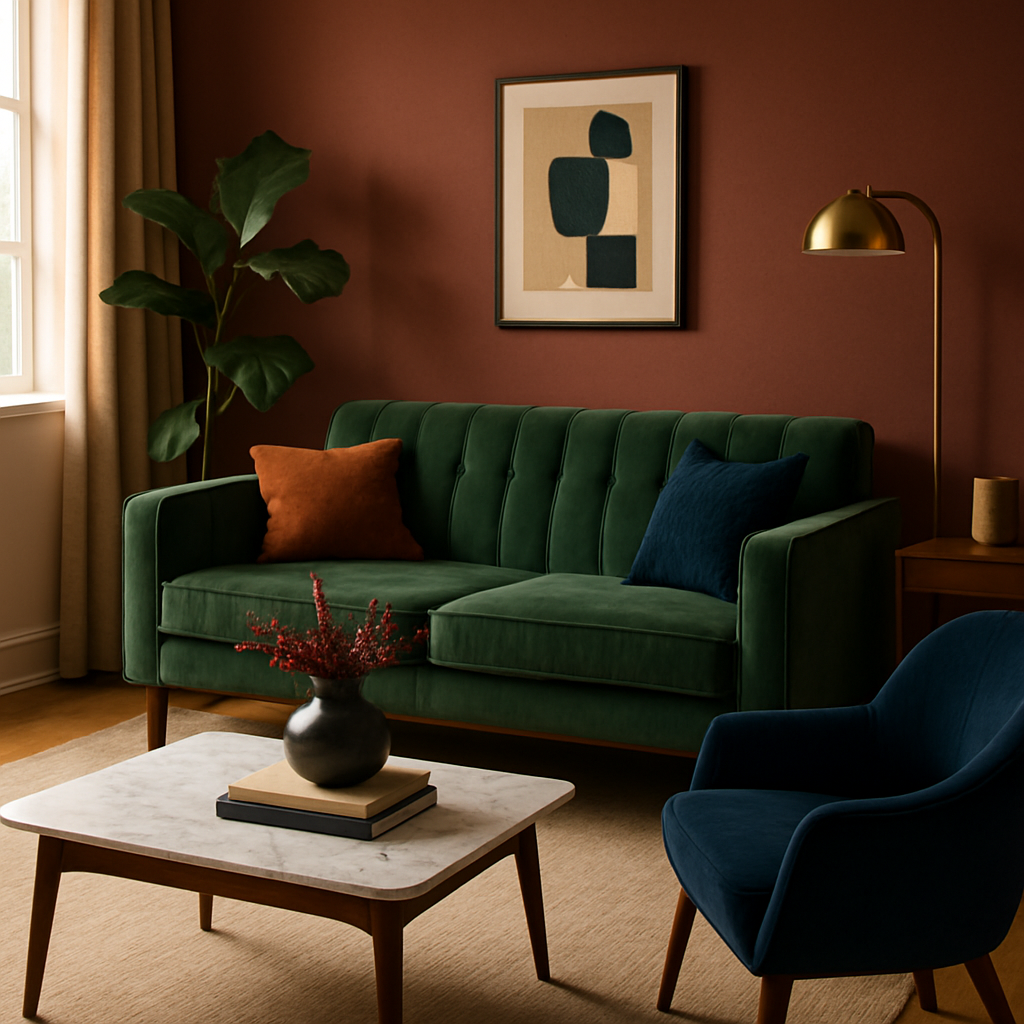
Have you ever wondered why some homes instantly captivate you with their elegance and sophistication? According to the National Association of Realtors, well-designed interiors can boost a home's resale value by 5-15%. As an interior designer, staying ahead of the curve is crucial to delivering such impactful results. With 2026 design trends emerging, as featured in Architectural Digest and other leading platforms, it's time to delve into how these trends can transform your projects. This guide will explore foundational concepts, analyze current data, and offer actionable strategies for incorporating the latest trends into your designs.
Understanding Foundational Design Concepts
Before diving into the latest trends, it's vital to grasp the foundational concepts that underpin successful interior design. At its core, interior design is about creating functional and aesthetically pleasing spaces. The principles of balance, harmony, and proportion are timeless, guiding designers in crafting environments that feel cohesive and inviting. For instance, balance can be achieved through symmetrical arrangements or by distributing visual weight evenly across a space.
Harmony involves the seamless integration of various design elements, from color palettes to furniture styles. When these elements complement each other, the result is a space that feels unified and coherent. Proportion, meanwhile, ensures that the size of furniture and decor is appropriate for the room's dimensions. Experienced professionals often note that a well-proportioned room not only looks good but also functions better, as it facilitates movement and interaction.
These principles are the bedrock upon which contemporary trends are built. As you explore new styles, remember that the most successful designs often blend innovative ideas with these time-honored concepts. This integration ensures that spaces remain functional and timeless, even as trends evolve. As we examine the latest trends, consider how you might incorporate these foundational principles into your own projects.
The Latest Trends in Architectural Digest
Architectural Digest and similar publications are invaluable resources for discovering emerging trends that resonate with modern sensibilities. One such trend is biophilic design, which emphasizes the connection between indoor and outdoor environments. This approach uses natural materials, living walls, and expansive windows to create a seamless indoor-outdoor flow. According to Houzz's annual survey, biophilic elements are increasingly popular among homeowners seeking tranquility and nature-inspired aesthetics.
Another significant trend is the rise of "quiet luxury," characterized by understated elegance and high-quality materials. This trend focuses on creating luxurious spaces without overt opulence, using subtle textures and a neutral color palette. Designers are increasingly turning to platforms like Instagram and Pinterest for inspiration, where quiet luxury's minimalist elements are prominently featured. The emphasis is on quality over quantity, encouraging designers to select pieces that offer both beauty and functionality.
Smart home integration has also become a focal point in contemporary design. From automated lighting systems to climate control and window treatments, technology is enhancing the convenience and efficiency of modern homes. As smart home devices become more affordable, designers are incorporating these elements into their projects, offering clients cutting-edge solutions that improve daily life. How might these trends influence your current projects?
Implementing Actionable Strategies
Incorporating the latest trends into your designs requires a strategic approach. Start by identifying the specific needs and preferences of your clients. Are they drawn to the calm of biophilic design, or do they prefer the sophistication of quiet luxury? Understanding their desires will guide your selection of materials, colors, and technology. For example, clients interested in sustainability might appreciate reclaimed materials, which align with both biophilic principles and eco-friendly practices.
Utilizing AR/VR room visualization tools can be particularly beneficial in this process. These tools allow clients to explore design concepts in an immersive way, helping them visualize how different trends will look in their space. According to a survey by Architectural Digest's AD PRO network, designers who use these technologies report higher client satisfaction and fewer revisions during the design process.
Budget considerations are also crucial. For a single room redesign, costs can range from $5,000 to $15,000, while full-home projects might exceed $150,000. Discussing budget limitations early on ensures that your design proposals align with financial expectations. Remember, even small changes, like introducing smart lighting or a statement piece of furniture, can make a significant impact without breaking the bank. Are you prepared to leverage these strategies in your next project?
Expert Insights and Advanced Techniques
To truly excel as an interior designer, it's essential to combine trend awareness with expert insights. Engaging with professional organizations like the American Society of Interior Designers (ASID) or the International Interior Design Association (IIDA) can enhance your knowledge and credibility. These organizations offer resources and networking opportunities that keep you informed about industry developments and design innovations.
Experienced designers often emphasize the importance of the design process, which includes concept development, design presentation, procurement, installation, and styling. Each phase offers opportunities to incorporate trends thoughtfully. During the concept development stage, consider how trends like Japandi-a fusion of Japanese minimalism and Scandinavian warmth-might resonate with your project. This style's emphasis on simplicity and natural materials aligns well with current preferences for understated elegance.
As you move through the design phases, remember that communication with clients is key. Regular updates and transparency about sourcing and procurement can build trust and ensure that the final result aligns with client expectations. By combining your expertise with a client-focused approach, you'll be well-equipped to deliver designs that are both trend-forward and timeless.
Additional Depth: Tools and Platforms
Staying organized and efficient is crucial when managing multiple design projects. Leveraging digital tools can streamline your workflow and enhance productivity. Platforms like Houzz and Pinterest are excellent for gathering inspiration and creating mood boards that communicate your vision to clients. These visual aids can clarify ideas and facilitate decision-making, ensuring that clients are fully engaged in the design process.
For project management, software like Asana or Trello can help you track progress and coordinate with suppliers and contractors. These tools enable you to set timelines, assign tasks, and monitor budgets, all in one place. According to industry surveys, designers who use project management software report improved efficiency and reduced project delays.
Moreover, connecting with other professionals through platforms like the Architectural Digest's AD PRO network can provide valuable insights and collaboration opportunities. Networking with peers allows you to share experiences, gain feedback, and discover new techniques that can elevate your designs. Are you utilizing these platforms to their fullest potential?
Final Perspectives: Navigating Future Trends
The world of interior design is dynamic, with trends evolving alongside technological advancements and changing consumer preferences. Staying informed about these trends is essential for delivering innovative designs that meet the expectations of modern clients. As you navigate this landscape, consider how emerging trends might align with your personal design philosophy and the unique characteristics of your projects.
While trends provide inspiration, your creativity and expertise ultimately shape the final design. By blending current styles with foundational principles and advanced techniques, you can create spaces that are both beautiful and functional. Remember, the most successful designs are those that reflect the individuality of the client while incorporating elements that enhance their lifestyle.
Conclusion
Exploring the latest trends in Architectural Digest and other leading publications is an exciting opportunity to elevate your interior design projects. By understanding foundational concepts, analyzing current data, and implementing actionable strategies, you can create spaces that resonate with your clients and stand the test of time. As you continue to hone your craft, consider how you can integrate these trends into your designs in a way that reflects both your vision and your client's desires.
Start by browsing portfolios on Houzz this week-even 20 minutes of research will sharpen your eye for what you want. Engage with professional networks and leverage digital tools to enhance your workflow. By staying informed and proactive, you'll be well-equipped to navigate the ever-evolving world of interior design and deliver exceptional results for your clients.



Comments
Post a Comment