Exploring Interior Design Trends: What Makes a Space Truly Stand Out
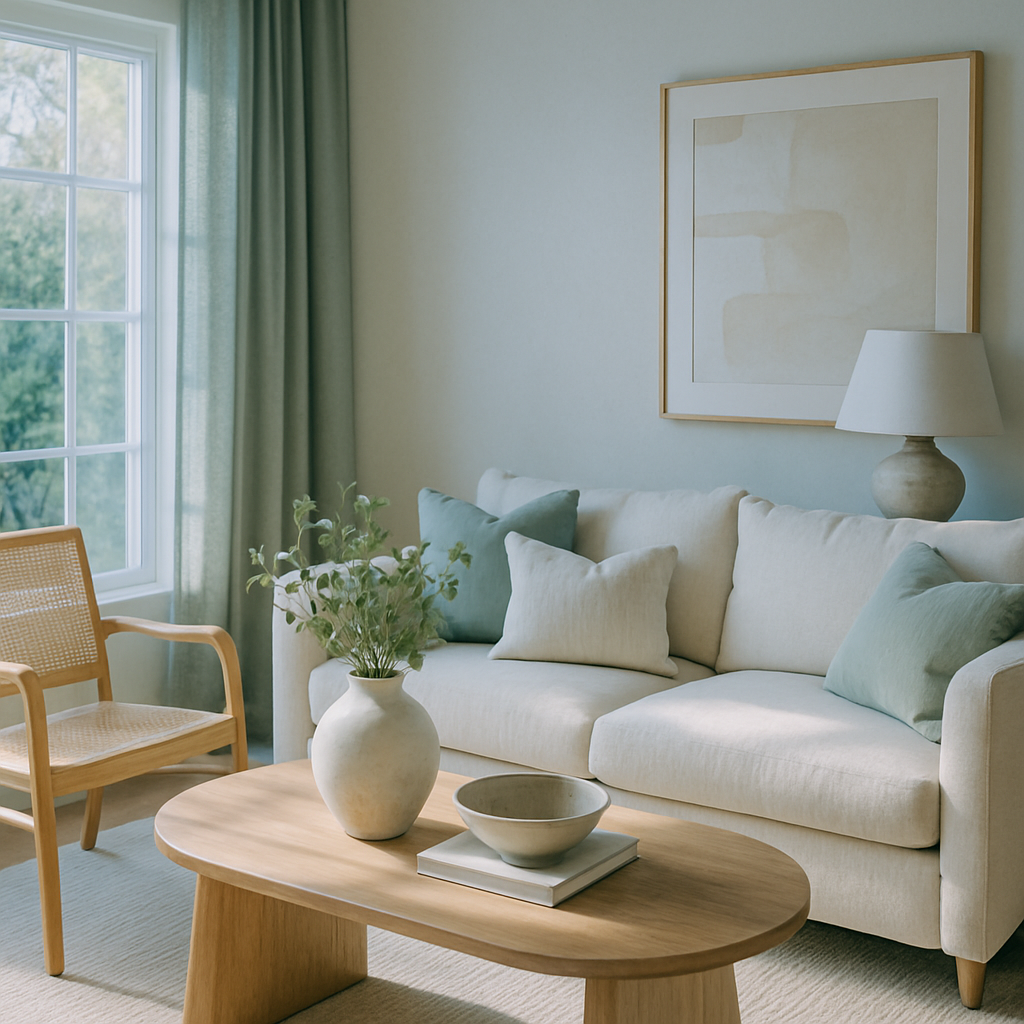
Have you ever walked into a room and felt an immediate sense of awe? According to Houzz's recent survey, 72% of homeowners say that well-designed interiors significantly enhance their quality of life. This statistic underscores how powerful a thoughtfully curated space can be. In the world of interior design, where aesthetics meet functionality, trends play a vital role in creating spaces that not only look good but feel right. This article will explore foundational concepts in interior design, delve into current trends with supporting data, and offer actionable strategies to make your space stand out. We will also provide expert-level insights and additional depth to ensure your design journey is both informed and inspiring.
Foundational Concepts in Interior Design
Before diving into the latest trends, it's crucial to understand the foundational concepts that underpin effective interior design. At its core, interior design is about creating spaces that are both functional and aesthetically pleasing. This involves a deep understanding of space planning, color theory, and material selection. Space planning is the art of arranging furniture and decor in a way that maximizes utility and flow. It requires a keen eye for detail and a strategic approach to layout.
Color theory is another fundamental aspect that can dramatically influence the mood and feel of a space. Designers often rely on the color wheel to create harmonious palettes that evoke specific emotions. For instance, blue tones are known for their calming effects, while vibrant reds can energize a room. Understanding how colors interact and the psychological impact they have is essential for any design project.
Material selection ties into both aesthetics and functionality. Choosing the right materials involves considering durability, texture, and how they complement the overall design. Experienced professionals often note that natural materials, like wood and stone, can add warmth and authenticity to a space. Transitioning into the next section, these foundational elements set the stage for exploring how current trends build upon these principles.
Current Trends with Supporting Data
As we move into 2026, several interior design trends are gaining momentum. One notable trend is biophilic design, which incorporates natural elements to enhance wellbeing. According to the American Society of Interior Designers (ASID), 64% of designers are incorporating biophilic elements in their projects, citing benefits such as improved air quality and increased productivity. Biophilic design often includes features like living walls and indoor-outdoor flow, creating a seamless connection with nature.
Another trend capturing attention is the embrace of quiet luxury, characterized by understated elegance and high-quality materials. This trend focuses on creating spaces that exude sophistication without overt opulence. The International Interior Design Association (IIDA) reports a growing preference for minimalist designs that prioritize craftsmanship and subtlety. Materials like cashmere, silk, and fine wood are staples of this trend.
Smart home integration is also on the rise, transforming how we interact with our living spaces. From automated lighting and climate control to smart window treatments, technology is becoming an integral part of modern design. Industry surveys suggest that 55% of homeowners are interested in incorporating smart features to enhance convenience and efficiency. These trends, deeply rooted in data and emerging preferences, pave the way for actionable strategies that bring them to life.
Actionable Strategies to Implement Trends
Bringing these trends into your home doesn't have to be overwhelming. Start by assessing your current space and identifying areas that could benefit from an update. For example, incorporating biophilic design can be as simple as adding more plants or using nature-inspired colors and textures. Consider mapping out where natural light enters your home and how it can be maximized with reflective surfaces or light, airy fabrics.
To achieve quiet luxury, focus on decluttering and investing in a few high-quality pieces rather than filling a room with numerous items. Experienced designers often recommend prioritizing craftsmanship over quantity. This could mean choosing a handcrafted wooden table or a bespoke upholstered chair that acts as a focal point in the room.
For smart home integration, begin with small steps like installing smart bulbs or a programmable thermostat. These changes can significantly enhance your home's functionality without requiring a complete overhaul. As you implement these strategies, keep in mind how they align with your personal style and the overall feel you want your home to convey. Transitioning to expert-level insights, these strategies serve as practical steps toward a more cohesive and personalized design.
Expert-Level Insights on Design Excellence
Achieving a standout space often requires insights that go beyond basic trends. Certified interior designers, who hold credentials like the NCIDQ (National Council for Interior Design Qualification), bring a wealth of expertise that can elevate any project. They possess a deep understanding of building codes, ergonomics, and sustainable practices, ensuring designs are not only beautiful but also safe and environmentally conscious.
One expert insight is the importance of layering textures and finishes to add depth and interest to a space. This can be achieved by combining different materials, such as pairing a velvet sofa with a leather chair, or using contrasting finishes like matte and gloss. Such combinations create visual intrigue and invite tactile exploration, making the space more engaging.
Another advanced concept is the use of AR/VR tools for room visualization. These technologies allow clients to experience proposed designs in a virtual environment, offering a tangible sense of the final outcome. This not only aids in decision-making but also ensures that the design aligns with the client's vision. Moving into the next section, these expert insights provide a deeper understanding of how to achieve design excellence.
Additional Depth on Design Trends
Going beyond basic trends, there's a growing emphasis on sustainable and reclaimed materials. Designers are increasingly sourcing materials that have a low environmental impact, such as recycled wood or eco-friendly textiles. According to Architectural Digest's AD PRO network, sustainability is no longer a niche interest but a mainstream expectation.
The Japandi style, a blend of Japanese minimalism and Scandinavian warmth, is another trend gaining traction. It focuses on simplicity, functionality, and a connection to nature, using neutral tones and natural materials. This style creates a serene and balanced environment, perfect for those seeking tranquility in their living spaces.
Experienced professionals also emphasize the importance of personal storytelling in design. By incorporating elements that reflect your personal history or interests, you can create a space that is uniquely yours. Whether it's a gallery wall of family photos or a collection of travel souvenirs, these personal touches make a design truly stand out. As we wrap up our exploration of design trends, these additional details highlight the complexity and richness of modern interior design.
Final Perspectives on Interior Design Trends
As we conclude, it's clear that creating a space that stands out involves a blend of current trends, expert insights, and personal touches. The integration of biophilic elements, smart home technology, and sustainable materials reflects a growing desire for spaces that are both beautiful and functional. These trends not only enhance the aesthetic appeal of a home but also improve its livability and sustainability.
For those embarking on a design project, it's essential to stay informed and open to new ideas. The interior design landscape is ever-evolving, with trends that adapt to cultural shifts and technological advancements. By understanding and embracing these changes, you can create a space that truly resonates with your lifestyle and values.
Conclusion
In summary, exploring interior design trends involves more than just following the latest styles; it's about understanding foundational principles, embracing innovative ideas, and incorporating personal elements. Whether you're updating a single room or redesigning an entire home, these insights can guide you in creating spaces that are both stylish and meaningful. Ready to start your design journey? Begin by exploring designer portfolios on platforms like Houzz and Pinterest this week. Even dedicating just 20 minutes to research can sharpen your eye for what you truly want in your space. Take the first step today and watch your vision come to life.



Comments
Post a Comment