Exploring Innovative Trends from the New York School of Interior Design
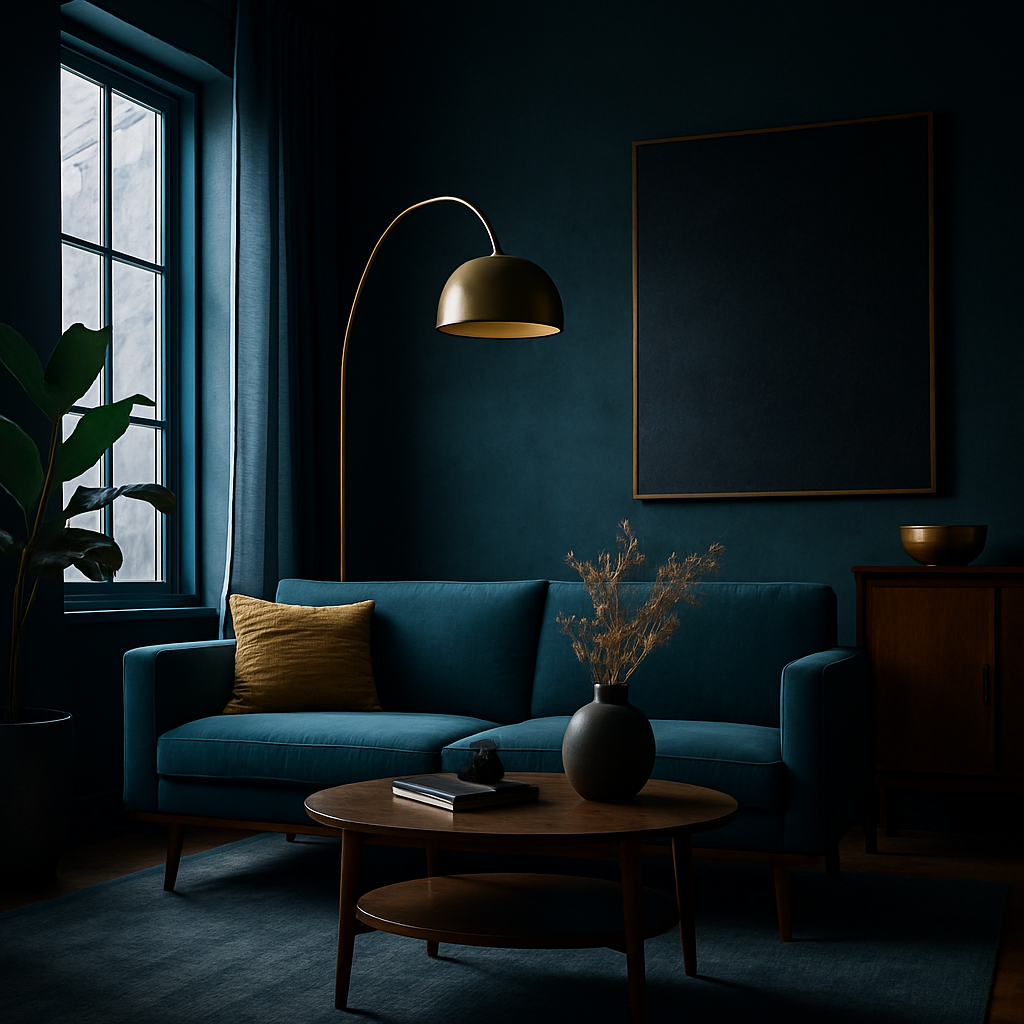
Have you ever walked into a room and felt instantly transformed by its ambiance? This magic often stems from the innovative trends taught at institutions like the New York School of Interior Design (NYSID). As a hub for cutting-edge design education, NYSID influences trends that redefine interiors across the globe. This article will delve into the core concepts taught at NYSID, their broader impact on design trends, and provide actionable strategies for integrating these ideas into your own spaces. From foundational principles to expert-level insights, we'll explore how these trends can enrich your home.
Foundational Concepts at the New York School of Interior Design
The New York School of Interior Design is renowned for its emphasis on foundational design principles. These include the balance between form and function, color theory, and the integration of space and light. At NYSID, students learn to prioritize functionality without sacrificing aesthetics, a key principle that shapes modern design practices. By understanding how form follows function, designers can create spaces that not only look beautiful but also serve practical purposes. This balance is crucial in contemporary settings where space can be limited, requiring intelligent design solutions.
Another cornerstone of NYSID's curriculum is color theory. Understanding the psychological effects of color enables designers to evoke specific emotions and moods within a space. For example, blue tones are often used to create a calming atmosphere, while vibrant reds can energize a room. This nuanced use of color is a powerful tool that designers leverage to craft environments that resonate with clients on an emotional level. Have you considered how the colors in your home affect your mood daily?
Finally, the integration of space and light is a critical concept taught at NYSID. Designers are trained to maximize natural light and use artificial lighting creatively to enhance spatial dynamics. Proper lighting can highlight architectural features and create a sense of depth and dimension. This skill is essential in both residential and commercial designs, where lighting can significantly influence the perception of space. Transitioning from foundational concepts, let's explore how these principles translate into broader design trends.
Deeper Analysis: How Trends Emerge from NYSID
Trends emerging from the New York School of Interior Design frequently set the tone for the broader industry. According to a survey by the American Society of Interior Designers (ASID), designers who incorporate NYSID-influenced trends into their projects often report higher client satisfaction and engagement. This feedback loop suggests that educational institutions like NYSID play a pivotal role in shaping the direction of interior design trends globally. But what specific trends are we seeing from this prestigious school?
One of the key trends is the rise of biophilic design, which emphasizes the connection between indoor environments and nature. This trend encourages the use of natural materials, indoor plants, and designs that mimic natural forms. According to the Houzz annual survey, homes that incorporate biophilic elements see a 10% increase in homeowner satisfaction, highlighting its growing popularity. How might you incorporate natural elements into your home to create a calming, restorative space?
Another emerging trend is the integration of smart home technology. NYSID students are increasingly focusing on how technology can enhance the functionality of a living space. This includes everything from automated lighting and climate control to advanced security systems. The adoption of these technologies is supported by data from the NCIDQ (National Council for Interior Design Qualification), which indicates that smart home features are now a standard expectation in new builds and renovations. As we move forward, actionable strategies will help you implement these trends in your own home.
Actionable Strategies for Integrating NYSID Trends
Embracing trends from the New York School of Interior Design in your own space begins with a clear understanding of your design goals. Start by identifying which elements of biophilic design resonate with you. Perhaps it's incorporating more natural light or integrating indoor plants. Consider a vertical garden or using reclaimed wood for furniture pieces. These choices not only enhance aesthetics but also contribute to sustainability, a growing concern among eco-conscious homeowners.
For those interested in smart home technology, begin with simple upgrades that have a significant impact. Automated lighting systems, for example, can be programmed to adjust based on the time of day, enhancing both comfort and energy efficiency. Platforms like Amazon Alexa or Google Home offer user-friendly interfaces to manage these systems. The investment in smart technology not only modernizes your home but can also increase its resale value by up to 5-15%, according to industry experts.
Lastly, consider how personalized color schemes can influence your daily life. Use color theory to create distinct zones within your home that serve different functions-perhaps a calming blue in the bedroom for relaxation and a vibrant yellow in the kitchen to stimulate appetite and conversation. Such thoughtful integration of color can transform your home into a cohesive, functional masterpiece. Transitioning from strategies, let's delve into the expert-level insights that further refine these concepts.
Expert-Level Insights from NYSID Alumni
Experienced professionals often note that the most successful interior designers are those who continuously learn and adapt. Alumni of the New York School of Interior Design are known for their ability to combine traditional techniques with modern innovations. These experts emphasize the importance of staying current with industry trends, often attending events hosted by organizations like the International Interior Design Association (IIDA) for ongoing education and networking opportunities.
One advanced concept shared by NYSID alumni is the use of Augmented Reality (AR) and Virtual Reality (VR) tools in the design process. These technologies allow designers to create immersive experiences for clients, enabling them to visualize changes before they are made. This not only facilitates better decision-making but also enhances client satisfaction by providing a tangible preview of the final outcome. Are you curious about how AR/VR could change the way you approach home design projects?
Another insight is the strategic use of space planning to maximize utility without compromising style. Alumni advocate for a thoughtful approach to layout, ensuring that each area of a home serves its intended purpose effectively. They often consult the AIA (American Institute of Architects) for architectural guidance, ensuring that design plans are both functional and aesthetically pleasing. These expert insights set the stage for further exploration into the depths of innovative design.
Additional Depth: The Financial Implications of Design Trends
Understanding the financial implications of embracing NYSID trends is crucial for homeowners. The cost of implementing biophilic design or smart home technology can vary significantly, with single-room redesigns ranging from $5,000 to $15,000. For full-home transformations, budgets can soar to $50,000-$150,000 or more, depending on the extent of the changes. This investment often pays off, as well-designed homes can yield a 5-15% increase in resale value, making the initial outlay worthwhile.
Fee structures for hiring professional interior designers who are well-versed in NYSID trends can also vary. Commonly, designers charge a flat fee, an hourly rate (ranging from $150-$500), or a percentage of the total project cost, typically 10-25%. Understanding these fee structures can help you make informed decisions when selecting a designer. It's essential to discuss these details upfront to ensure that your project stays within budget while achieving the desired outcome.
Moreover, the procurement of materials and furniture is another area where costs can accumulate. Designers often have access to exclusive discounts and sources that can offset some expenses. By leveraging these professional networks, you can access high-quality materials and furnishings that might otherwise be out of reach. As we approach the final perspectives, these financial considerations underscore the importance of strategic planning in the design process.
Final Perspectives on NYSID-Inspired Design
The innovative trends emerging from the New York School of Interior Design offer a wealth of opportunities for homeowners looking to refresh their spaces. By integrating biophilic designs, smart technology, and personalized color schemes, you can create a home that is both beautiful and functional. However, successful implementation requires careful planning and a willingness to invest in both time and resources.
Consider how these trends align with your personal style and lifestyle needs. Are you ready to embrace the calming influence of nature or the convenience of smart home solutions? Reflecting on these questions will help guide your design decisions and ensure that your home reflects your unique tastes. As you explore these trends further, remember that the journey of design is as much about personal expression as it is about aesthetics.
Conclusion
In conclusion, the New York School of Interior Design continues to be at the forefront of shaping innovative trends that redefine how we think about our living spaces. By embracing these concepts, from biophilic design to smart home integration, you can transform your home into a harmonious blend of style and functionality. As you embark on your design journey, consider starting with small changes that incorporate these trends. Begin by browsing designer portfolios on platforms like Houzz and Instagram this week-just 20 minutes of research can sharpen your eye for what resonates with you. The transformation of your space begins with informed choices and a clear vision.


Comments
Post a Comment