Exploring the Hottest Interior Design Aesthetics of 2023: Trends to Follow
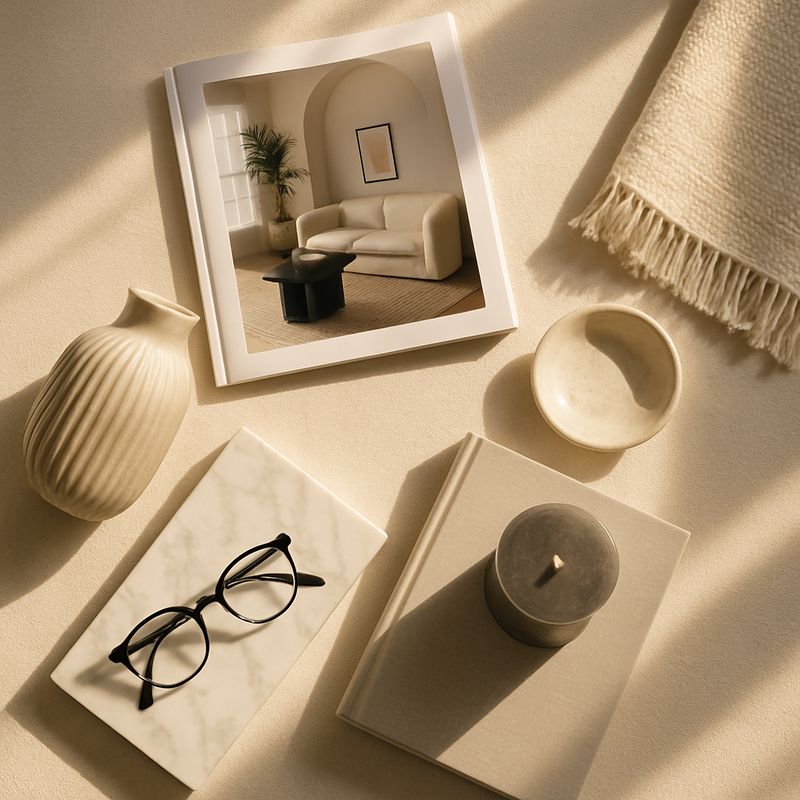
Did you know that 2023 is poised to be a transformative year for interior design, with trends that blend technology, sustainability, and understated elegance? According to the American Society of Interior Designers (ASID), homeowners are increasingly seeking spaces that not only look stunning but also enhance their overall well-being and daily living. This year's hottest aesthetics promise to deliver on these desires. In this detailed exploration, we'll uncover the foundational concepts driving these trends, analyze their impact with data, and provide actionable strategies to bring them to life in your home. From biophilic design to quiet luxury, prepare to be inspired by the innovative directions interior design is taking this year. Let's delve into the details that will define your living spaces in 2023.
Understanding the Foundational Concepts of 2023's Interior Design Trends
At the heart of 2023's interior design aesthetics is a profound shift towards sustainability and technology integration. The concept of biophilic design, which incorporates natural elements into indoor spaces, has gained significant traction. This trend is not just about aesthetics; it's supported by research from the International Interior Design Association (IIDA), which highlights that environments with natural elements can improve mental health and productivity. By integrating features like living walls and natural materials, designers aim to create a seamless indoor-outdoor flow that nurtures the inhabitants.
Another foundational trend is the rise of quiet luxury, which emphasizes understated elegance and minimalism. Unlike the opulence of previous years, quiet luxury prioritizes quality over quantity. Designers focus on creating spaces that are both functional and aesthetically pleasing, using high-quality materials and a neutral color palette. This approach is particularly appealing to those who value timeless elegance over transient trends. As such, it aligns with the growing consumer demand for sustainability and longevity in design.
Smart home integration has also become a cornerstone of modern interior design. Automated systems for lighting, climate control, and even window treatments are no longer considered luxury but essential features. These systems add convenience and efficiency, allowing homeowners to manage their environments with ease. Experienced professionals often note that smart technologies not only enhance comfort but also contribute to energy savings, making them a wise investment for the environmentally conscious consumer. As we move forward, these foundational concepts will continue to shape the landscape of interior design.
Delving Deeper: Analyzing Key Trends with Data
To truly grasp the impact of 2023's interior design trends, it's crucial to examine the data driving these changes. According to a recent Houzz annual survey, homeowners are increasingly willing to invest in sustainable materials, with 63% prioritizing eco-friendly choices in their renovation projects. This shift reflects a broader societal trend towards environmental responsibility and is further supported by the statistic that well-designed interiors can increase a property's resale value by 5-15%.
The emphasis on quiet luxury is also evident in spending patterns. Industry surveys suggest that consumers are allocating more of their budgets to high-quality, long-lasting materials, even if it means reducing the number of items purchased. The National Council for Interior Design Qualification (NCIDQ) reports that clients are now more interested in investing in fewer pieces that offer greater impact and durability, a trend that aligns with the principles of quiet luxury.
Technology's role in interior design is underscored by the growing popularity of smart home devices. Data from industry reports indicate that the market for smart home products is expected to grow by over 20% annually. This growth is driven by consumer demand for convenience and control, with automated lighting and climate systems leading the charge. As these technologies become more accessible, their integration into home design is likely to become even more prevalent. Together, these data points paint a compelling picture of the directions interior design is heading in 2023.
Actionable Strategies for Embracing 2023's Trends
Now that we've explored the key trends and their data-backed influences, how can you incorporate these aesthetics into your home? Start by embracing biophilic design elements. Consider adding a living wall or incorporating more natural materials like wood and stone in your interiors. This not only enhances the aesthetic appeal but can also improve air quality and well-being. Take the time to map out how you actually use each room, identifying places where natural elements can seamlessly blend with existing decor.
For those drawn to quiet luxury, focus on selecting quality over quantity. When redecorating, prioritize timeless pieces made from durable materials. Visit local showrooms or browse portfolios on Houzz to find inspiration and identify designers who specialize in minimalist elegance. Remember, the goal is not to fill your space with items but to create a cohesive environment where every piece serves a purpose.
Integrating smart technology can be as simple or as complex as you desire. Begin with automated lighting systems that can be controlled via smartphone apps. These systems offer convenience and can be expanded to include climate control and security features. Consider consulting with a certified interior designer who holds NCIDQ credentials to guide you in selecting the best smart technologies for your home. This ensures that your choices are both stylish and functional, enhancing your living experience.
Expert Insights on Industry-Specific Trends
The interior design industry is buzzing with discussions about the long-term impacts of these 2023 trends. Professionals often highlight the importance of sustainable design, not only for its environmental benefits but also as a selling point for resale. According to experienced designers within the ASID network, integrating sustainable practices into home design can significantly enhance property value, providing a competitive edge in the market.
Quiet luxury is seen as a strategic approach to design that appeals to discerning clients who value restraint and sophistication. This trend is particularly popular in urban areas, where space is at a premium. Experts suggest focusing on bespoke furniture and custom finishes that reflect personal taste while maintaining an air of subtle elegance. Customization is key, as it allows homeowners to express their individuality without resorting to excessive ornamentation.
Technology integration in interior design is another area where industry professionals see significant growth potential. The use of AR/VR room visualization tools is becoming increasingly common, allowing clients to experience their redesigned spaces before any physical changes are made. This technology not only helps clients make informed decisions but also streamlines the design process, reducing the likelihood of costly mistakes. As these tools become more sophisticated, they will play an even greater role in shaping the future of interior design.
Additional Depth: The Role of Trend Adaptability
One aspect of interior design that often goes overlooked is the adaptability of trends. As tastes and technologies evolve, so too must our living spaces. Design adaptability ensures that your interiors remain relevant and functional over time. For instance, the biophilic elements you incorporate today can be adjusted as your needs change-plants can be swapped for seasonal varieties, and natural materials can be refreshed with new finishes.
Quiet luxury also offers adaptability, as its core tenet is timelessness. By investing in high-quality pieces, you're creating a foundation that can be accessorized or updated with minimal effort. This approach is ideal for those who enjoy seasonal decor changes without committing to a complete overhaul. As trends evolve, you can easily integrate new elements that complement your existing aesthetic.
Smart home technology epitomizes adaptability, with systems designed to evolve alongside technological advancements. Regular software updates and modular components mean that your smart home can grow and change with you. By staying informed about the latest innovations through platforms like Architectural Digest's AD PRO network, you can ensure that your home remains at the cutting edge of design and technology. As we look ahead, adaptability will continue to be a critical factor in the longevity of interior design trends.
Final Perspectives on 2023's Interior Design Aesthetics
As we conclude our exploration of 2023's interior design aesthetics, it's clear that this year's trends are about more than just visual appeal-they're about creating spaces that enhance our quality of life. Whether through the calming influence of biophilic design, the enduring appeal of quiet luxury, or the convenience of smart technology, these trends offer practical benefits that extend beyond aesthetics. They reflect a deeper understanding of how our environments impact our daily lives and well-being.
For those eager to embrace these trends, the key is to start small and build over time. Consider which aspects of your home could benefit most from these new directions, and take the first steps towards transformation. By doing so, you'll not only enhance your living space but also increase its value and functionality.
As you ponder these possibilities, ask yourself: What changes would have the most significant impact on your quality of life? And how can you integrate these into your home in a way that aligns with your personal style? These questions will guide you in making informed design choices that resonate with your unique preferences and needs.
Conclusion
The interior design aesthetics of 2023 offer a wealth of inspiration for those looking to refresh their living spaces. By understanding the foundational concepts, analyzing the data, and implementing actionable strategies, you can create a home that embodies the hottest trends of this year. Remember, the goal is not only to update your decor but to enhance your overall living experience. Start by browsing portfolios on platforms like Houzz this week-just 20 minutes of research can sharpen your eye for what you truly want. Embrace the trends that speak to you, and let your home reflect the best of 2023's design innovations.

Comments
Post a Comment