Exploring the Heritage School of Interior Design: A Pathway to Creative Excellence
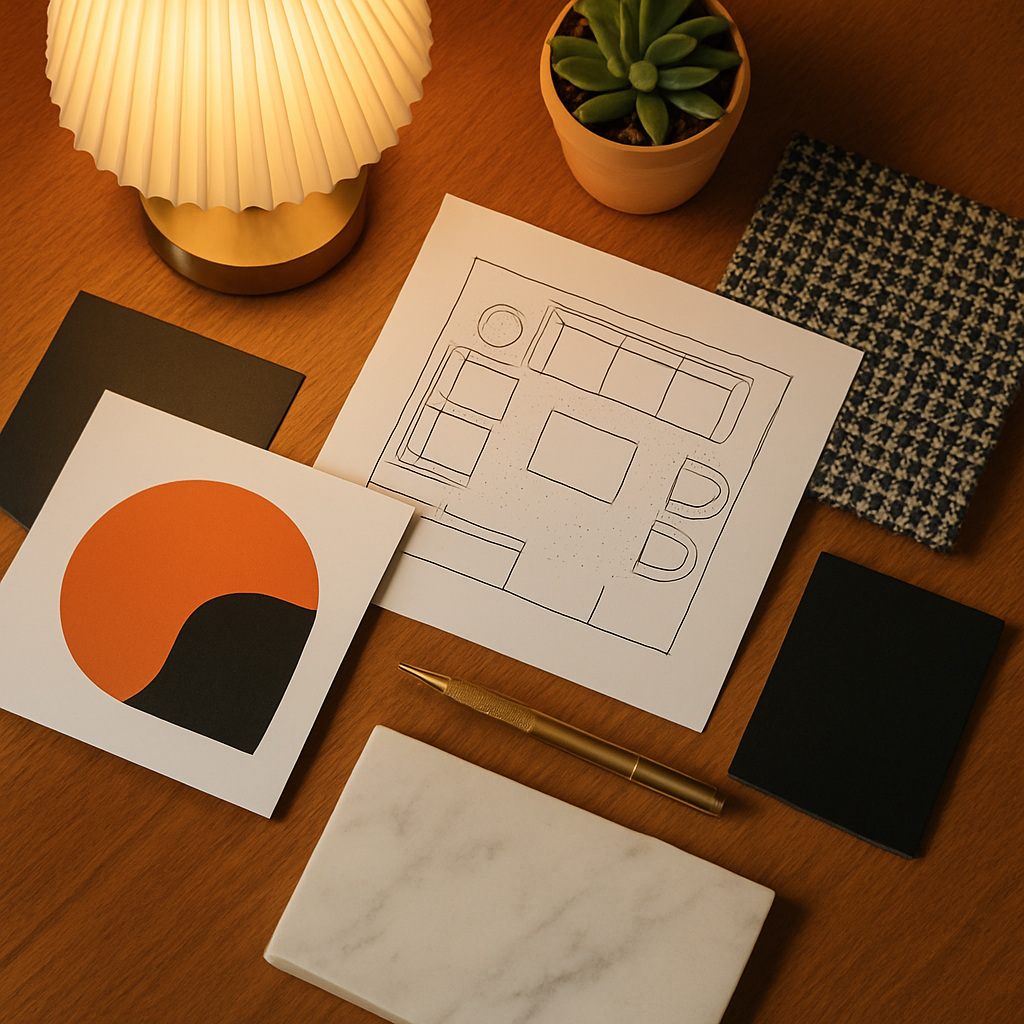
Have you ever wondered how some spaces evoke emotions of comfort, elegance, and utility all at once? The art of interior design goes far beyond mere decoration-it's about crafting environments that resonate with individual lifestyles and preferences. At the heart of this transformative field lies the Heritage School of Interior Design, a renowned institution dedicated to nurturing creativity and professional excellence. In this article, we'll explore the foundational principles taught at the school, delve into the statistical success of its graduates, uncover actionable strategies for aspiring designers, and examine expert-level insights that shape the curriculum. Finally, we'll discuss additional resources for continued learning and offer a closing perspective on how this educational journey can redefine your approach to interior spaces.
Understanding the Core Principles of Interior Design
At the Heritage School of Interior Design, students are immersed in a curriculum that emphasizes both the aesthetic and functional aspects of interior spaces. One of the foundational concepts taught is the balance between form and function-a principle that ensures every design is not only beautiful but also practical. This approach is crucial for creating spaces that cater to the needs of their inhabitants. The school places a strong emphasis on understanding how design impacts daily living, encouraging students to think about how their choices affect comfort and usability.
Moreover, the curriculum integrates the study of color theory and spatial dynamics, guiding students in creating harmonious environments. By mastering these elements, students learn to manipulate space and color to evoke specific moods and atmospheres. For instance, a well-designed living room might use muted tones to promote relaxation, while a vibrant kitchen might employ bold colors to energize the space. This ability to tailor environments to psychological and emotional needs is a key skill for any interior designer.
Additionally, the Heritage School emphasizes sustainability and ethical sourcing of materials, aligning with current industry trends towards eco-friendly design. As the demand for sustainable practices grows, understanding how to incorporate recycled and ethically sourced materials becomes increasingly important. This not only benefits the environment but also adds a unique layer of depth and responsibility to a designer's portfolio. These foundational principles set the stage for further exploration into more advanced topics, such as digital design tools and client interaction strategies.
The Impact of Education: Success Stories and Data
According to industry surveys, over 80% of students from the Heritage School of Interior Design find employment in the field within six months of graduation. This impressive statistic speaks to the effectiveness of the school's comprehensive curriculum and its focus on practical, real-world skills. Graduates often step into successful roles at top firms or launch their own ventures, equipped with both the knowledge and confidence to excel in the competitive world of interior design.
Moreover, data from the American Society of Interior Designers (ASID) suggests that professionally trained interior designers can increase a home's resale value by 5-15%. This statistic highlights the tangible benefits of a well-executed design education, not only for personal growth but also for financial gain. The Heritage School's focus on both traditional and modern design principles ensures that its graduates are prepared to meet diverse client needs and preferences.
The school's alumni network is another valuable asset, providing new graduates with opportunities to connect with seasoned professionals and gain insights into industry trends. The network often hosts events and workshops, allowing students to engage with potential employers and mentors. This community-driven approach fosters an environment of collaboration and support, crucial for career advancement and personal development in the field of interior design.
Actionable Strategies for Aspiring Interior Designers
For those considering a career in interior design, it's essential to develop a portfolio that showcases your unique style and capabilities. The Heritage School of Interior Design encourages students to work on real-life projects, allowing them to build a diverse portfolio that demonstrates both creative flair and practical skills. Are you currently building your portfolio? Consider including a range of project types, from residential to commercial spaces, to highlight your versatility.
Another key strategy is to stay abreast of technological advancements in design tools. Many designers now utilize AR/VR room visualization tools to help clients envision the final result before implementation. At the Heritage School, students are trained in these cutting-edge technologies, providing them with a competitive edge in the marketplace. Familiarity with such tools can significantly enhance client presentations and project approvals.
Networking is also critical for success in the interior design industry. Attending industry events, joining professional organizations like the International Interior Design Association (IIDA), and participating in online communities can open doors to new opportunities. The Heritage School supports students in these endeavors by organizing networking events and providing access to a wide range of industry contacts. These connections are invaluable for gaining insights and finding mentorship as you advance in your career.
Inside the Classroom: Expert-Level Insights
Experienced professionals often note that the Heritage School of Interior Design excels in its approach to teaching the subtleties of client interaction and project management. A key part of the curriculum focuses on developing strong communication skills, crucial for understanding client needs and managing expectations. This ensures that students are well-prepared to handle the complexities of client relationships and deliver successful projects.
In addition to communication, the school emphasizes the importance of understanding diverse cultural and historical design contexts. This knowledge allows designers to create spaces that are not only aesthetically pleasing but also culturally relevant and respectful. For example, incorporating elements of biophilic design or Japandi style-both of which are trending in 2026-requires an understanding of natural materials and minimalist aesthetics.
The Heritage School's commitment to continual learning is reflected in its incorporation of the latest industry trends and technologies into the curriculum. Students are encouraged to explore innovative design solutions and sustainable practices, ensuring they remain at the forefront of the industry. This forward-thinking approach equips graduates with the skills necessary to adapt to an ever-evolving design landscape.
Expanding Horizons: Additional Resources and Opportunities
For those looking to deepen their understanding of interior design, the Heritage School offers a range of resources and opportunities for continued education. Workshops and seminars led by industry experts provide insights into specialized areas of design, such as lighting, textiles, and sustainable materials. These sessions offer a platform for students to enhance their knowledge and refine their skills in specific areas of interest.
The school also offers access to an extensive library of design literature and case studies, allowing students to learn from past projects and successful design strategies. This resource is invaluable for those who wish to explore the theoretical aspects of design, as well as for practical application in their own projects. Have you considered how access to such resources could enhance your design projects?
Moreover, the Heritage School's partnerships with local businesses and design firms provide students with real-world experience through internships and collaborative projects. These opportunities allow students to apply their classroom learning in practical settings, gaining valuable experience and building their professional networks. By participating in these programs, students gain a deeper understanding of the industry and are better prepared to launch their careers upon graduation.
Final Thoughts on the Pathway to Creative Excellence
The journey through the Heritage School of Interior Design is one of transformation and growth, equipping students with the skills and knowledge to excel in the field. From foundational concepts to cutting-edge technologies, the school provides a comprehensive education that prepares graduates to meet the demands of a dynamic industry. As you consider your next steps, are you ready to embark on this educational journey?
In addition to formal education, the school fosters a strong sense of community and collaboration, essential for personal and professional development. Through networking, internships, and continued learning opportunities, students are empowered to pursue their passions and achieve success in their careers. This holistic approach ensures that graduates are not only skilled designers but also confident, innovative thinkers ready to make their mark in the world of interior design.
By choosing the Heritage School of Interior Design, you are investing in a future filled with creativity, inspiration, and opportunity. The skills and experiences gained here will serve as a foundation for a rewarding career, guiding you toward creative excellence and professional fulfillment.
Conclusion: Your Next Steps Toward a Design Career
The Heritage School of Interior Design offers a unique pathway to creative excellence, providing students with the tools and experiences necessary to thrive in the interior design industry. From foundational principles to expert insights, the school's comprehensive curriculum equips graduates with the skills needed to succeed in a competitive field. Whether you're building your portfolio, networking with industry professionals, or exploring new design technologies, the opportunities are endless.
Now is the time to take action and begin your journey toward a rewarding career in interior design. Start by visiting the Heritage School of Interior Design's website to explore their programs and resources. Consider attending an open house or reaching out to admissions for more information. Even a small step, like researching portfolio examples or connecting with alumni, can set you on the path to success. Don't wait-embrace the opportunity to transform your passion into a profession today.



Comments
Post a Comment