Exploring the Future of Interior Design Careers: Trends and Opportunities
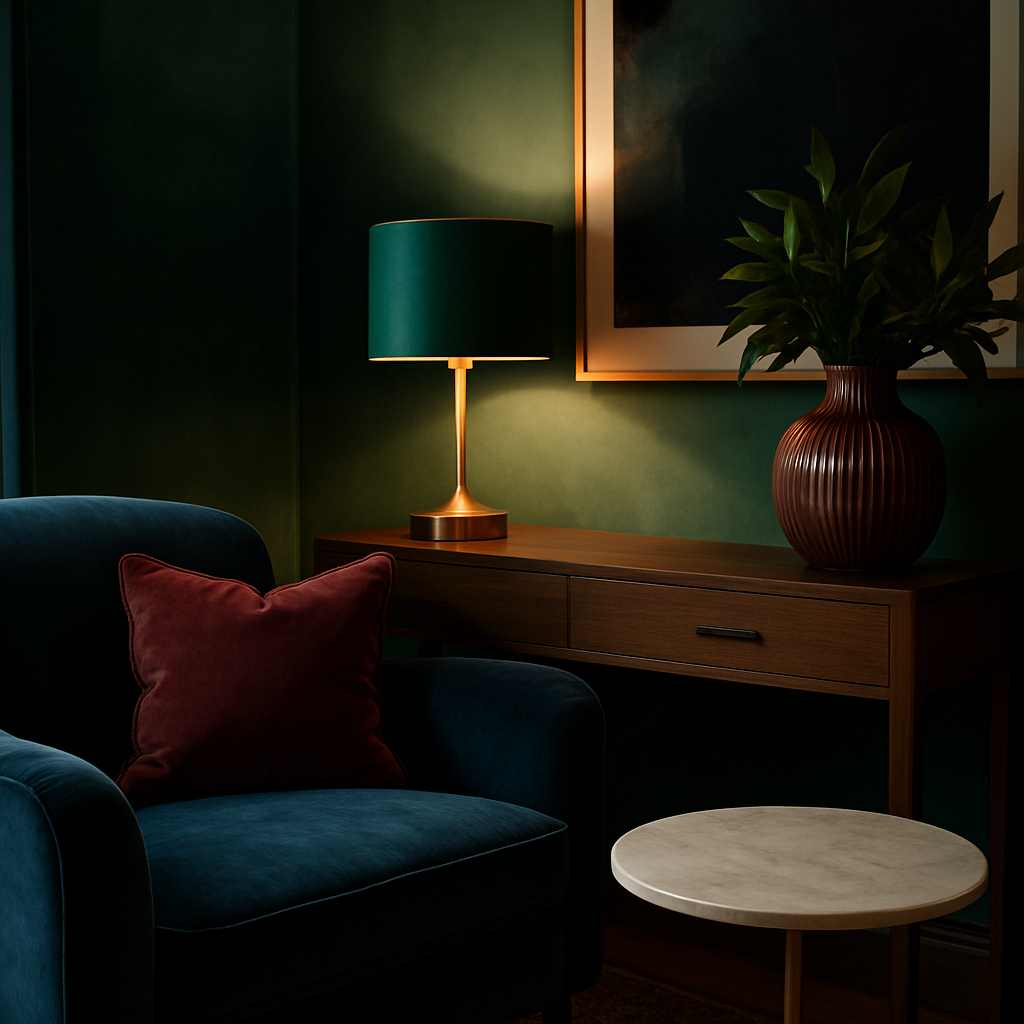
Have you ever walked into a room and instantly felt a sense of peace and inspiration? The power of well-executed interior design is undeniable, and as the industry evolves, so too do the careers within it. According to the American Society of Interior Designers (ASID), the demand for qualified interior designers is projected to grow by 4% annually through 2028, reflecting a robust market for aspiring professionals. This article will explore the dynamic future of interior design careers, highlighting emerging trends, lucrative opportunities, and practical strategies for those eager to thrive in this creative field. We'll delve into foundational concepts, analyze industry data, and provide actionable insights to guide you on your professional journey.
The Foundations of Modern Interior Design Careers
Understanding the foundational aspects of interior design careers is crucial for anyone looking to enter the field. A primary component is distinguishing between certified interior designers and decorators. Certified designers often hold credentials such as the NCIDQ (National Council for Interior Design Qualification), which ensures that they have met industry standards for education, experience, and examination. This distinction is vital, as it often influences the types of projects a designer can undertake and their earning potential.
Another cornerstone of a successful interior design career is education. While some may enter the field with a natural flair for design, formal education provides a comprehensive understanding of design principles, history, and technical skills like CAD (Computer-Aided Design). Many professionals obtain a Bachelor's degree in Interior Design, which typically includes coursework in color theory, space planning, and sustainable design practices. These skills are essential as the industry increasingly prioritizes eco-friendly and energy-efficient designs.
Finally, real-world experience is invaluable. Internships and entry-level positions offer aspiring designers the opportunity to work under seasoned professionals, gaining insights into client interactions, project management, and industry trends. Engaging with platforms like Houzz can also provide exposure to design portfolios and customer feedback, further enhancing one's understanding of the field. As we explore deeper into the industry, these foundational elements set the stage for growth and innovation in interior design careers.
Analyzing Industry Trends and Data
The interior design industry is continually shaped by evolving trends and consumer preferences. Biophilic design, which emphasizes natural materials and indoor-outdoor harmony, is one such trend gaining traction. According to Houzz survey data, 58% of homeowners expressed a preference for incorporating natural elements into their living spaces. This trend not only reflects a shift towards more sustainable living but also highlights the growing importance of environmental consciousness in design.
Another significant trend is the integration of technology in design processes. Smart home technologies, including automated lighting and climate control, are becoming standard features in modern interiors. The International Interior Design Association (IIDA) notes that designers who can seamlessly incorporate these technologies into their projects are in high demand. This trend requires designers to stay updated with the latest tech advancements, ensuring their designs meet contemporary lifestyle needs.
Moreover, the rise of remote work has influenced interior design priorities. With more people working from home, there is an increasing demand for functional and comfortable home office spaces. According to a recent study by the American Institute of Architects (AIA), requests for home office designs have increased by 47% in the past year alone. Understanding these shifts allows designers to tailor their services to meet emerging client needs, positioning themselves as valuable assets in the market.
Actionable Strategies for Aspiring Designers
If you're considering a career in interior design, there are several strategies you can employ to set yourself apart. First, focus on building a strong portfolio. Showcase a range of projects, including residential, commercial, and sustainable designs, to demonstrate versatility. Consider using platforms like Pinterest and Instagram to share your work and attract potential clients or employers.
Networking is another critical strategy. Join professional organizations such as ASID or IIDA to connect with industry leaders and peers. These associations often offer workshops, conferences, and mentorship programs that can provide valuable learning opportunities and career advancement. Engaging with these communities can also keep you informed about the latest industry trends and job openings.
Continual learning is essential in this ever-evolving field. Pursue additional certifications or courses in specialized areas like sustainable design or smart home technology. Many designers find success by honing niche skills that cater to specific market demands. By staying current with industry innovations and expanding your expertise, you enhance your professional credibility and competitiveness in the job market.
Expert Insights into Industry Dynamics
Experienced professionals often note that adaptability is key in the interior design industry. As trends shift, so too must the approaches and techniques designers use. For example, the recent emphasis on sustainable materials has led many designers to explore reclaimed wood and recycled textiles, aligning with Japandi design principles that marry Japanese minimalism with Scandinavian warmth.
Furthermore, the role of virtual reality (VR) and augmented reality (AR) in design presentations is becoming increasingly prominent. These tools allow clients to visualize spaces before implementation, enhancing client satisfaction and reducing costly revisions. According to Architectural Digest's AD PRO network, designers who incorporate VR and AR into their workflow report higher client engagement and approval rates.
Financially, understanding the various fee structures is crucial. Designers typically charge a flat fee, an hourly rate (ranging from $150 to $500 per hour), or a percentage of the total project cost, usually between 10% to 25%. Procurement markups on furnishings can also be a revenue stream. Knowledge of these structures allows designers to tailor their pricing strategies to different client needs and project scopes, ultimately maximizing profitability.
Diving Deeper: Opportunities for Growth
As the interior design field continues to expand, numerous opportunities arise for career growth and specialization. The trend towards quiet luxury-an aesthetic characterized by understated elegance and high-quality materials-offers designers the chance to work on high-end projects that demand meticulous attention to detail and personalized service.
Additionally, the increasing focus on sustainability presents opportunities for designers to specialize in eco-friendly projects. This might involve collaborating with architects to design energy-efficient homes or working with manufacturers who produce sustainable furnishings. The IIDA highlights that designers with expertise in sustainability are particularly sought after as consumers become more environmentally conscious.
Finally, exploring international markets can provide new avenues for growth. As global design trends influence local preferences, designers who can adapt and incorporate international styles into their work may find unique opportunities abroad. Engaging with global design communities through platforms like the AIA can open doors to projects that broaden a designer's portfolio and professional reach.
Concluding Perspectives on Interior Design Careers
The future of interior design careers is both promising and dynamic, offering myriad opportunities for those equipped with the right skills and insights. As the industry evolves, staying informed about emerging trends and technological advancements is essential. Interior designers who can blend creativity with practicality, and who embrace change and innovation, are well-positioned to thrive.
Moreover, with the increasing demand for personalized and sustainable design solutions, professionals who can cater to these preferences will find ample opportunities for growth and success. The potential for impact in this field is significant, as well-designed spaces not only enhance aesthetics but also improve quality of life.
Are you ready to embark on a journey in interior design? Consider how you can leverage current trends and opportunities to shape your career path. The next steps you take could lead to a rewarding and fulfilling profession in this exciting industry.
Conclusion
In summary, exploring the future of interior design careers reveals a landscape ripe with innovation and opportunity. From embracing sustainable practices to integrating advanced technologies, the industry offers diverse paths for growth and specialization. As you consider your next steps, remember that success in this field requires a blend of creativity, adaptability, and continual learning.
Start by browsing portfolios on platforms like Houzz and engaging with professional organizations such as ASID or IIDA to expand your network and stay informed. Even 20 minutes of research each week can significantly sharpen your eye for trends and opportunities. Whether you're an aspiring designer or a seasoned professional, the future holds exciting possibilities for those ready to seize them.



Comments
Post a Comment