Exploring the Future of Interior Design Jobs: Trends and Opportunities Ahead
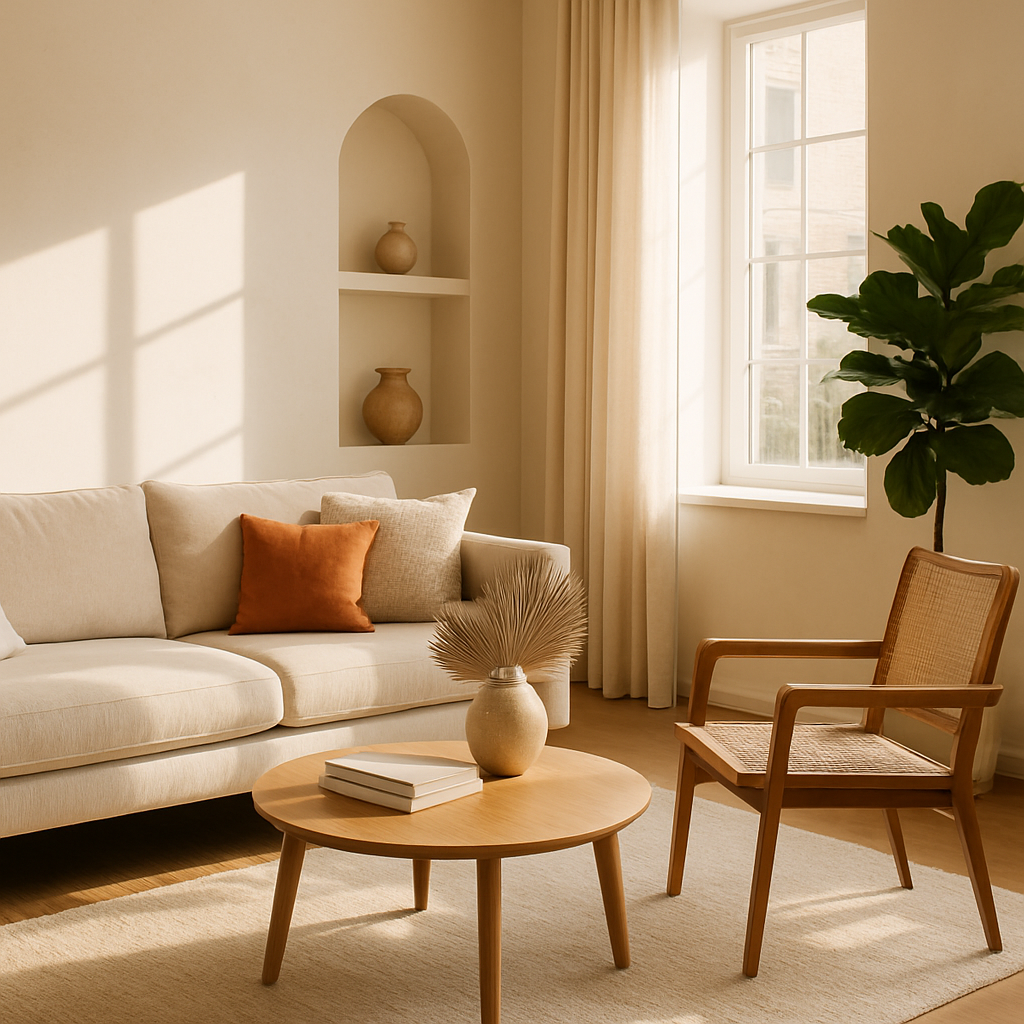
Did you know that interior design jobs are projected to grow by 4% over the next decade? This may seem modest, but within the context of the ever-evolving design landscape, this growth represents a wealth of new opportunities. With emerging trends like biophilic design and smart home integration reshaping client demands, understanding where the industry is heading is crucial for any aspiring designer. This article delves into the future of interior design jobs, examining key trends, data-driven insights, and practical strategies for thriving in this dynamic field. We will explore foundational concepts, analyze industry data, suggest actionable strategies, and offer expert-level detail to equip you with the knowledge needed to succeed. Ready to see what lies ahead?
Understanding the Foundation of Interior Design Evolution
The interior design industry is rooted in creativity, yet it is equally influenced by technological advancements and shifting consumer preferences. Over the years, the focus has shifted from mere aesthetic appeal to creating spaces that are both functional and sustainable. The American Society of Interior Designers (ASID) highlights that the future of design will be deeply intertwined with wellness and sustainability. This is largely driven by consumer awareness and the desire to create healthier living environments. As a professional in this field, understanding these foundational shifts is crucial to staying relevant.
A key trend that has surfaced is biophilic design, which brings the outdoors inside by using natural materials and promoting a connection with nature. Studies have shown that incorporating natural elements can improve mental health and productivity, making it an attractive feature for both residential and commercial spaces. As designers, how can you integrate these elements into your projects effectively? The answer lies in a deep understanding of both materials and client needs.
Moreover, the integration of smart home technology is no longer optional but a necessity. Automated lighting, climate control, and advanced security systems are becoming standard in new designs. This technological shift requires designers to be tech-savvy and adaptable, ensuring they can meet the evolving demands of clients who want seamless integration of technology into their homes. The foundation of interior design is thus evolving, setting the stage for new challenges and opportunities.
Analyzing Data-Driven Insights in Interior Design
Data plays an indispensable role in shaping the future of interior design. According to the National Council for Interior Design Qualification (NCIDQ), well-designed interiors can increase a property's resale value by 5-15%. This statistic underscores the financial impact of design choices on real estate investments. For designers, leveraging data about space utilization, color psychology, and material performance can lead to more informed decisions and ultimately, more successful projects.
In their annual survey, Houzz reported that 85% of homeowners have a positive emotional response to their newly redesigned spaces, indicating a high level of satisfaction and repeat business potential. This data suggests that understanding consumer satisfaction metrics can guide designers in crafting spaces that not only meet but exceed client expectations. How can you ensure your designs evoke such responses? By staying informed about industry trends and client feedback, you can tailor your designs to align with what truly matters to clients.
Platforms like Pinterest and Instagram serve as valuable tools for gauging popular design trends and consumer preferences. By analyzing engagement metrics and popular pins, designers can identify patterns and predict future trends. This proactive approach to design allows industry professionals to stay ahead of the curve, offering clients innovative and desirable solutions that resonate with their lifestyles and aspirations.
Actionable Strategies for Interior Designers
Success in the future of interior design jobs requires not only creativity but also strategic planning. One effective strategy is continuous education. The International Interior Design Association (IIDA) offers various programs and certifications that keep designers updated on the latest industry standards. By pursuing certifications such as the NCIDQ, designers can enhance their credibility and expand their knowledge, making them more competitive in the job market.
Networking is another crucial strategy. Engaging with other professionals through platforms like Houzz and LinkedIn can open doors to collaborations and new opportunities. Participating in local American Institute of Architects (AIA) chapter events can also provide exposure to the architectural side of design, broadening your skill set and professional network. How often do you actively engage with your professional community? Regular interaction can provide insights into emerging trends and client expectations.
Additionally, developing a strong online presence is essential. Creating a portfolio that showcases your work on platforms like Instagram can attract potential clients and employers. Regularly updating your portfolio with recent projects and behind-the-scenes insights helps maintain engagement and demonstrates your ongoing commitment to professional growth. These strategies collectively position designers to navigate the evolving landscape of interior design jobs effectively.
Expert-Level Insights into Future Design Trends
Experienced professionals often note that understanding future design trends is key to staying relevant. Quiet luxury, characterized by understated elegance and high-quality materials, is gaining traction. This trend emphasizes craftsmanship and timeless design, appealing to clients seeking sophistication without ostentation. Incorporating such elements into your designs can elevate your work and attract a discerning clientele.
Sustainability continues to be a major focus. The use of reclaimed materials not only supports environmental responsibility but also adds unique character to spaces. The Architectural Digest's AD PRO network highlights that clients are increasingly valuing eco-friendly designs, making sustainability a critical component of modern interiors. Are your designs reflecting this growing demand for sustainable solutions?
Additionally, the rising popularity of Japandi style, which blends Japanese minimalism with Scandinavian warmth, offers a fresh aesthetic that resonates with consumers seeking simplicity and coziness. This trend demonstrates how design can transcend cultural boundaries, combining the best of multiple worlds. By understanding and incorporating such trends, designers can offer innovative solutions that stand out in a competitive market.
Diving Deeper into Interior Design Opportunities
Beyond understanding trends, exploring the diverse opportunities within interior design jobs is vital. Specializing in niche areas such as healthcare design or hospitality can set you apart. These sectors often require specialized knowledge about regulatory requirements and user needs, making them lucrative fields for designers willing to delve deeper into specific industries.
The use of AR/VR room visualization tools is another emerging opportunity. These technologies allow clients to experience designs in immersive 3D environments before they are built, enhancing their decision-making process and satisfaction. Designers who can skillfully use these tools will likely see increased demand for their services, as these technologies become more mainstream.
Furthermore, the global reach of digital platforms means that designers can work with clients worldwide, expanding their market beyond local boundaries. This globalization of design services offers unparalleled growth potential for those who can adapt to different cultural and stylistic preferences. By embracing technology and specialization, designers can unlock new avenues for growth and innovation in their careers.
Final Perspectives on the Future of Interior Design Jobs
As we look to the future, it's clear that interior design jobs are evolving. The industry is becoming increasingly interdisciplinary, requiring designers to be knowledgeable in technology, sustainability, and global trends. Embracing this complexity can transform challenges into opportunities for those willing to learn and adapt.
Are you prepared to navigate this changing landscape? By staying informed and flexible, you can position yourself at the forefront of the industry. The future holds exciting possibilities for those ready to seize them, making now the perfect time to invest in your skills and career.
Conclusion
The future of interior design jobs is rich with possibilities, shaped by trends like biophilic design, smart home technology, and sustainability. By understanding these trends and implementing actionable strategies, designers can thrive in this dynamic field. The journey ahead requires continuous learning and adaptation, but the rewards are substantial for those who commit to excellence.
To take the next step, start by exploring online portfolios on platforms like Houzz and Instagram. Spend some time each week researching and networking to keep your finger on the pulse of the industry. This effort will not only keep you informed but also inspire your next creative project. Embrace the future of interior design with confidence, knowing that the path to success is paved with innovation and opportunity.



Comments
Post a Comment