Exploring Bauhaus Interior Design: Principles That Revolutionize Modern Spaces
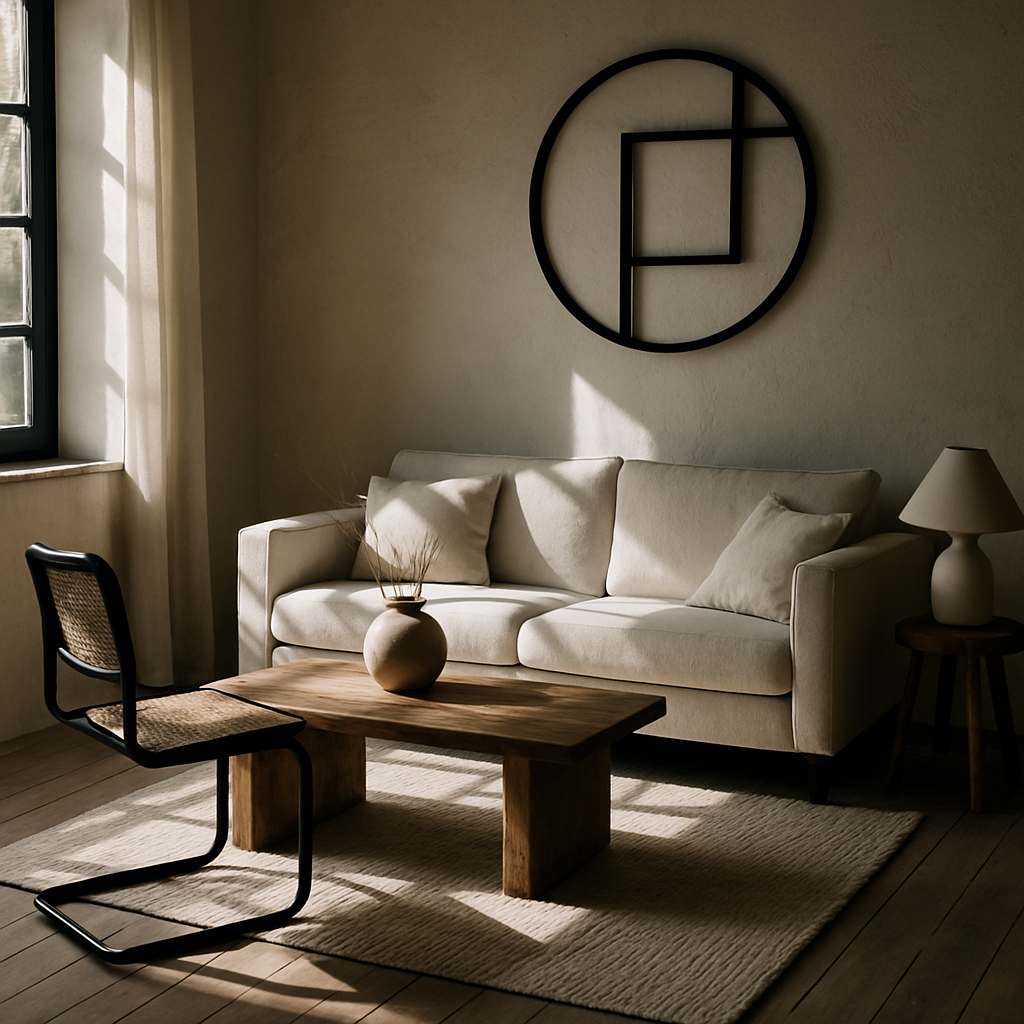
Imagine stepping into a room where every element serves a purpose, yet the space feels effortlessly stylish. This is the essence of Bauhaus interior design, a movement that has profoundly influenced modern aesthetics. Originating in Germany in the early 20th century, the Bauhaus school sought to unify art, craft, and technology. Today, its principles of simplicity, functionality, and form continue to resonate with design enthusiasts worldwide. In this article, we'll explore the foundational concepts of Bauhaus design, delve into its impact on modern interiors, and provide actionable strategies for incorporating these elements into your own home.
Foundational Concepts of Bauhaus Design
Bauhaus design is characterized by its commitment to simplicity and function. The movement emerged as a reaction against the ornate and decorative styles of the past, focusing instead on practical design that could be mass-produced. At its core, Bauhaus strives for the "form follows function" philosophy, where the design of an object is primarily based on its intended purpose. This principle has made Bauhaus a timeless influence in modern design.
The school itself, founded by Walter Gropius in 1919, was revolutionary for its time, combining fine arts with crafts and later incorporating technology. The curriculum encouraged students to experiment and innovate, leading to the creation of iconic designs that are still celebrated today. The influence of Bauhaus can be seen in various aspects of interior design, from furniture to architecture, emphasizing clean lines and functional spaces.
Furthermore, Bauhaus design was built on the belief that good design should be accessible to everyone, not just the elite. This democratization of design led to a focus on affordable materials and efficient manufacturing processes. The impact of this philosophy is evident today, as many contemporary designers continue to draw inspiration from Bauhaus principles, creating spaces that are both beautiful and practical. As we move into the next section, we will examine how these principles have been quantified and measured in modern contexts.
Deeper Analysis: Bauhaus and Modern Spaces
According to a survey by the American Society of Interior Designers (ASID), nearly 60% of homeowners have expressed a preference for minimalist and functional design elements in their homes, highlighting the enduring influence of Bauhaus principles. The minimalist aesthetic, characterized by uncluttered spaces and a neutral color palette, aligns perfectly with the Bauhaus ideology. This approach not only enhances the aesthetic appeal but also increases the functionality of living spaces.
Another key aspect of Bauhaus design is its emphasis on new materials and technologies. The introduction of tubular steel in furniture design, for example, was a groundbreaking innovation that has become a staple in modern interiors. This focus on innovation is still relevant today, with the integration of smart home technologies and sustainable materials becoming increasingly popular.
Data from Houzz, a leading platform for home remodeling and design, indicates that homes with well-designed interiors can see a resale value increase of 5-15%, demonstrating the tangible benefits of applying Bauhaus principles. By investing in functional and aesthetically pleasing designs, homeowners can enhance their quality of life while also boosting their property value. As we explore actionable strategies in the next section, consider how these principles can create harmony and purpose in your living spaces.
Actionable Strategies for Incorporating Bauhaus Design
If you're looking to incorporate Bauhaus principles into your home, start by evaluating the functionality of each space. Consider how you use each room daily and identify areas where design can improve efficiency. Experienced professionals often note that mapping out activities can reveal opportunities to streamline and simplify your environment. For instance, if your kitchen feels cluttered, think about how reducing countertop appliances could enhance usability and visual appeal.
Next, focus on selecting furniture that embodies the Bauhaus ethos. Look for pieces with simple, clean lines and minimal ornamentation. Brands like Knoll and Herman Miller offer a range of furniture inspired by Bauhaus designs. Additionally, consider investing in multi-functional pieces, such as a sofa bed or expandable dining table, to maximize space and utility.
Finally, embrace a neutral color palette with occasional pops of color to create a cohesive and inviting atmosphere. Shades of white, gray, and beige can serve as a calming backdrop, allowing architectural elements and carefully selected furnishings to take center stage. By applying these strategies, you can create a space that is both functional and visually appealing. In the following section, we'll delve into expert-level insights that can further enhance your Bauhaus-inspired design journey.
Expert-Level Insights on Bauhaus Design
Professionals in the interior design industry often emphasize the importance of balance and proportion in Bauhaus-inspired spaces. The International Interior Design Association (IIDA) suggests that maintaining proportionality between furniture and room size is crucial for achieving harmony. For example, a large, open-plan living area may benefit from a modular sofa that can be adjusted to suit different seating arrangements, enhancing both aesthetic appeal and functionality.
Moreover, lighting plays a pivotal role in the Bauhaus design framework. Opt for fixtures that are not only functional but also serve as statement pieces. The use of pendant lights and floor lamps with geometric shapes can add a modern touch while providing adequate illumination. Consider incorporating smart lighting solutions that allow you to adjust brightness and color temperature, further enhancing the adaptability of your space.
Another expert tip is to integrate art and decor selectively. Bauhaus design favors art that complements the overall theme of the space rather than overwhelming it. Choose pieces that reflect the geometric and abstract nature of Bauhaus art, such as works by Wassily Kandinsky or Josef Albers, to add character without detracting from the simplicity of the design. As we move into the next section, we'll explore additional strategies to deepen your understanding and application of Bauhaus design.
Additional Depth: Bauhaus in Contemporary Interiors
As we further explore the application of Bauhaus principles, it's important to consider the role of technology and sustainability in modern interiors. Many designers are now using augmented reality (AR) and virtual reality (VR) tools to visualize and plan their projects more effectively. These technologies allow designers and homeowners to experiment with different layouts and design elements before making any physical changes, saving time and resources.
Sustainability is another key consideration in modern Bauhaus-inspired design. The use of reclaimed materials and energy-efficient fixtures aligns with the movement's emphasis on materials and technology. For instance, choosing furniture made from sustainably sourced wood or incorporating energy-efficient appliances can significantly reduce your home's environmental footprint while maintaining the sleek, functional aesthetic synonymous with Bauhaus design.
Furthermore, the concept of biophilic design-integrating natural elements into interiors-is gaining traction. This approach can be seamlessly integrated with Bauhaus principles by using natural materials like wood and stone, and incorporating living plants to enhance indoor air quality and overall well-being. As we conclude our exploration of Bauhaus design, consider how these modern adaptations can enrich your living space and lifestyle.
Final Perspectives on Bauhaus Interior Design
As we reflect on the principles of Bauhaus interior design, it becomes clear why this movement has remained influential over the decades. Its focus on simplicity, functionality, and accessibility continues to resonate with modern design enthusiasts. Whether you're redesigning a single room or contemplating a full-home renovation, incorporating Bauhaus principles can lead to more efficient, aesthetically pleasing spaces.
By understanding the foundational concepts and learning how to apply them effectively, you can create a home environment that not only meets your practical needs but also reflects your personal style. The integration of technology and sustainable practices further enhances the relevance of Bauhaus design in today's world, offering innovative solutions that align with contemporary values.
In our concluding section, we'll summarize the key takeaways and provide a call to action that encourages you to explore Bauhaus design further and consider its potential impact on your own living spaces.
Conclusion: Embrace Bauhaus Principles in Your Home
In summary, Bauhaus interior design offers a timeless approach to creating spaces that are both functional and visually appealing. By focusing on simplicity, functionality, and the thoughtful use of materials, you can transform your home into a sanctuary that reflects both practicality and style. As you've learned, the integration of modern technology and sustainable practices further enhances the potential of Bauhaus-inspired interiors.
Are you ready to bring Bauhaus principles into your own space? Start by exploring portfolios on platforms like Houzz and Pinterest to gather inspiration and identify elements that resonate with you. Even dedicating just 20 minutes to research can sharpen your eye for design and help you envision a more harmonious living environment. Embrace the Bauhaus philosophy and discover how it can revolutionize your modern spaces.



Comments
Post a Comment