Exploring 10 Popular Interior Design Styles for Every Home Aesthetic
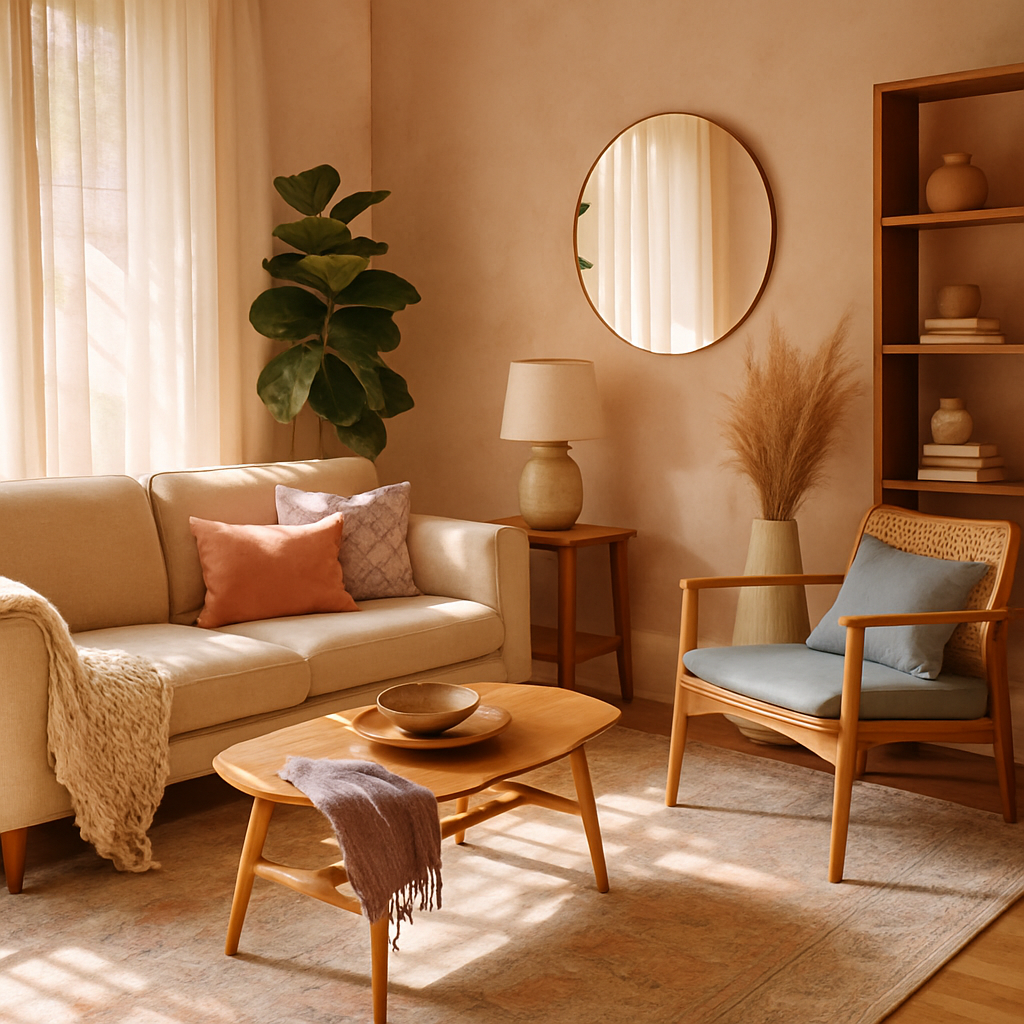
Have you ever walked into a room and immediately felt at ease, as though the space was crafted specifically for you? This is the magic of interior design, where every element serves a purpose and tells a story. According to Houzz's annual survey, nearly 90% of homeowners plan to improve their spaces with specific design styles in mind. Whether you're a minimalist at heart or a lover of eclectic charm, understanding popular interior design styles can significantly enhance your home's ambiance. In this article, we'll explore ten trending design styles, offering insights into their foundational concepts, deeper analysis, actionable strategies for implementation, and expert-level details to guide your journey. Get ready to transform your living space into a reflection of your personal aesthetic.
Understanding Foundational Concepts of Interior Design Styles
Interior design is an art that balances practicality with aesthetics, creating spaces that are both functional and visually appealing. At the core of any design project are the foundational concepts that define each style. For instance, minimalism focuses on simplicity and functionality, characterized by clean lines, neutral color palettes, and uncluttered spaces. This style prioritizes the "less is more" philosophy, where each piece of furniture serves a specific purpose without overwhelming the space.
Conversely, the bohemian style embraces a more eclectic approach, incorporating vibrant colors, diverse textures, and a mix of cultural influences. This style is defined by its lack of structure, welcoming an array of patterns and elements that reflect the homeowner's personality and experiences. It's a style that encourages creativity and individuality, often featuring globally-inspired decor and vintage finds.
Another popular style, modern, emphasizes sleekness and sophistication. With roots in the early 20th century, modern design is characterized by the use of materials like steel and glass, and a color palette that often includes black, white, and neutrals. Mid-century modern, a subset of this style, adds a touch of warmth with natural wood tones and organic shapes. Understanding these foundational concepts is crucial as they set the tone for the design process, influencing everything from color schemes to furniture selection.
As you delve deeper into these styles, consider how they align with your lifestyle and preferences. This foundational understanding sets the stage for exploring each style's deeper nuances.
Deeper Analysis of Popular Design Styles
To truly appreciate the variety of interior design styles, it's important to analyze them beyond their basic elements. For example, the industrial style, inspired by the warehouses and factories of the late 19th and early 20th centuries, is characterized by exposed brick walls, metal fixtures, and open spaces. According to research from Architectural Digest, this style has seen a resurgence in urban areas, where loft living has become increasingly popular.
Similarly, the Scandinavian style, which prioritizes simplicity, functionality, and natural beauty, has gained traction worldwide. This style is defined by its use of light, muted colors, natural materials, and a focus on creating cozy, inviting spaces. The American Society of Interior Designers (ASID) highlights that the Scandinavian design often incorporates elements like wooden floors, wool rugs, and soft textiles to achieve its signature warmth.
The farmhouse style, made famous by shows like HGTV's "Fixer Upper," blends rustic charm with modern elements. This style often includes shiplap walls, distressed wood, and vintage accents. According to a Houzz survey, the farmhouse style remains one of the most popular choices among American homeowners, particularly in suburban and rural areas. By analyzing these styles, you can better understand their unique characteristics and how they resonate with your personal taste.
This deeper analysis allows you to see the potential of each style in your space, leading to more informed design decisions.
Actionable Strategies for Implementing Design Styles
Now that you have a solid understanding of various design styles, it's time to translate this knowledge into actionable strategies for your own home. Start by assessing your current space. What elements do you already love, and what feels out of place? Consider the Japandi style, a blend of Japanese minimalism and Scandinavian functionality. To achieve this look, focus on decluttering and incorporating natural materials like wood and stone.
For those drawn to the mid-century modern style, consider integrating iconic furniture pieces like the Eames lounge chair or a Noguchi coffee table. Pair these with bold, geometric patterns and a warm color palette to create a space that feels both retro and contemporary. According to industry surveys, investing in mid-century modern pieces can significantly increase your home's resale value, reflecting the style's enduring appeal.
If you're aiming for a more eclectic or bohemian aesthetic, start by layering textures and patterns. Mix and match textiles, such as kilim rugs, embroidered pillows, and macramé wall hangings, to create a space that's uniquely yours. Don't shy away from incorporating personal artifacts and souvenirs from your travels, as these add depth and character to your design.
Implementing these strategies will not only enhance your home's aesthetic but also make your space feel more cohesive and intentional, setting the stage for further exploration of expert-level details.
Expert Insights into Interior Design Styles
Experienced professionals often note that successful design is as much about intuition as it is about knowledge. For instance, when working with the transitional style, which blends traditional and contemporary elements, designers recommend focusing on balance. This might involve pairing a classic Chesterfield sofa with modern lighting fixtures or incorporating traditional moldings with sleek, modern furniture.
The coastal style, meanwhile, is more than just nautical decor. Experts suggest using a color palette inspired by the beach - think soft blues, sandy neutrals, and crisp whites. Incorporating natural textures, such as rattan and linen, and elements like driftwood or sea glass, can enhance the coastal feel without becoming cliché. According to IIDA (International Interior Design Association), the coastal style is particularly popular in coastal regions, where homeowners seek to reflect the surrounding environment inside their homes.
For those interested in the art deco style, which exudes luxury and glamour, the emphasis is on bold geometric patterns, rich colors, and lavish materials like marble and brass. To achieve an art deco look, focus on statement pieces such as a velvet sofa or a mirrored console table. Industry experts suggest that art deco elements can add a touch of sophistication and drama to any space.
These expert insights offer additional layers of depth, enhancing your understanding of how to effectively implement and adapt these styles in your home.
Additional Depth on Interior Design Styles
As you delve deeper into interior design styles, consider the influence of technology and sustainability on modern design trends. The integration of smart home technology is becoming increasingly prevalent across various styles. From automated lighting and climate control to voice-activated assistants, these features not only enhance convenience but also add a modern touch to traditional designs.
Moreover, the trend towards sustainable design is reshaping the industry. Designers are increasingly sourcing reclaimed materials and eco-friendly products to reduce the environmental impact of their projects. The NCIDQ (National Council for Interior Design Qualification) emphasizes the importance of sustainable practices, noting that environmentally conscious design can enhance the wellbeing of both occupants and the planet.
Another emerging trend is the use of AR/VR room visualization tools, which allow homeowners to experience a virtual walkthrough of their redesigned spaces before any work begins. This technology provides a unique opportunity to experiment with different styles and layouts, ensuring the final design aligns with your vision and expectations.
These additional insights highlight the evolving nature of interior design and the importance of staying informed about industry innovations and practices.
Final Perspectives on Choosing Your Style
Choosing the right interior design style for your home is ultimately a personal journey that reflects your tastes, lifestyle, and values. While trends may come and go, the most successful designs are those that resonate with you on a deeper level. Consider what truly brings you joy and comfort in a space, and let that guide your decisions.
Do you prefer the simplicity and calm of minimalist spaces, or are you drawn to the vibrant eclecticism of bohemian design? Perhaps the timeless elegance of traditional styles speaks to you. Whatever your preference, remember that your home is a canvas for self-expression, and there's no right or wrong way to approach design.
Before embarking on your design journey, ask yourself: What do you want your space to say about you? How do you want it to feel? The answers to these questions will help you navigate the myriad of options available and create a home that is uniquely yours.
These final perspectives offer a holistic approach to selecting a design style, encouraging you to trust your instincts and embrace the creative process.
Conclusion: Bringing Your Design Vision to Life
In exploring the ten popular interior design styles, you've gained insights into the foundational concepts, deeper analysis, actionable strategies, and expert details that will guide your design journey. As you start to apply these styles to your home, remember to stay true to your aesthetic preferences and enjoy the creative process.
Your next step? Begin by exploring designer portfolios on platforms like Houzz or Instagram. Spend time gathering inspiration, creating mood boards, and considering how each style aligns with your vision. Even dedicating just 20 minutes a day to research can significantly sharpen your eye for design.
Ultimately, the goal is to create a space that not only looks beautiful but also feels like home. So, take your time, experiment with different styles, and let your creativity flow. By doing so, you're not just designing a space; you're crafting an environment that reflects who you are.



Comments
Post a Comment