Essential Interior Design Handbook: Key Strategies for Every Style Enthusiast
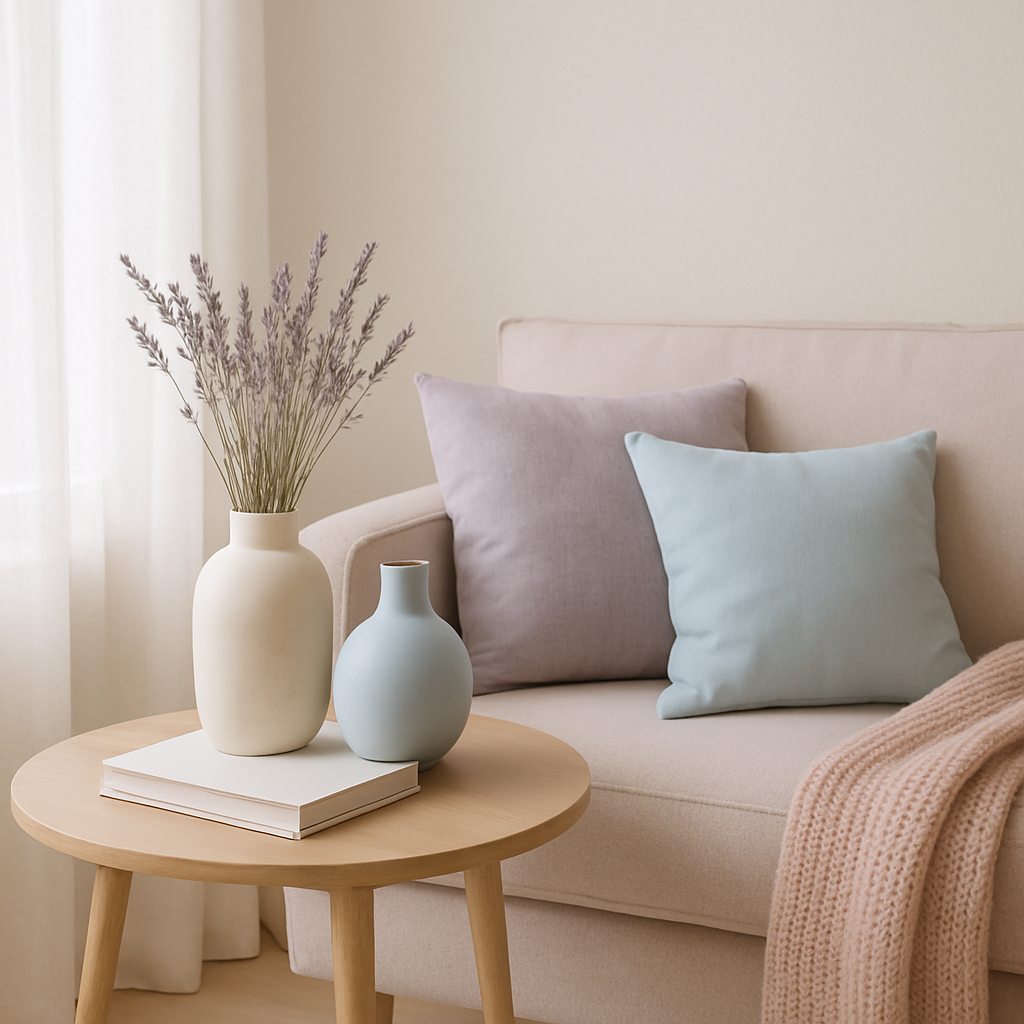
Did you know that well-designed interiors can increase a home's resale value by up to 15%? This compelling statistic, often cited in real estate circles, underscores the vital role of thoughtful interior design. Whether you're an aficionado of minimalist aesthetics or a fan of eclectic interiors, understanding key design strategies can dramatically transform your space. This handbook offers expert insights into foundational concepts, data-driven analysis, actionable strategies, and advanced details to elevate your interior design prowess. By the end, you'll be equipped with everything you need to create spaces that not only impress but also serve their purpose efficiently.
Foundational Concepts in Interior Design
Before diving into the specifics of any design style, it's crucial to grasp the foundational concepts of interior design. These concepts are universal and provide a roadmap for creating cohesive and functional spaces. At the core of these principles are balance, harmony, and proportion. Balance refers to the visual distribution of elements in a space, which can be achieved symmetrically or asymmetrically, depending on the desired effect. Harmony, on the other hand, involves the seamless blending of elements to create a unified look.
Proportion is another fundamental concept that ensures the elements within a room relate well to one another in terms of size and scale. This is particularly important when selecting furniture and decor, as mismatched proportions can disrupt the flow of a space. According to the American Society of Interior Designers (ASID), understanding these principles is crucial for both amateur and professional designers. Without them, even the most luxurious materials and furnishings can feel disjointed and out of place.
As you embark on your design journey, consider how these foundational concepts will guide your decisions. How will you balance modern and traditional elements? Are the proportions of your furniture conducive to the size of your room? Answering these questions can set the stage for a successful design project. With a solid grasp of these concepts, you'll find it easier to adapt to various styles and trends, leading to more versatile and refined designs.
Deeper Analysis with Data
Beyond foundational concepts, successful interior design also relies on data-driven insights. According to Houzz's annual survey, homeowners spend an average of $5,000 to $15,000 on single-room redesigns, highlighting the significant investment involved. This data is crucial for setting realistic budget expectations and planning effectively. Furthermore, understanding spending patterns can help you prioritize which areas of a project deserve more financial attention.
Project satisfaction rates also provide valuable insights into design trends and their effectiveness. For instance, the same Houzz survey revealed that over 80% of respondents reported increased happiness and comfort after completing their renovation projects. This statistic suggests that investing in thoughtful design not only enhances aesthetic appeal but also boosts overall well-being. Such data can inform your approach, ensuring that your designs are both visually appealing and personally fulfilling.
Experienced professionals often note that analyzing current trends through data can refine your design choices. By understanding what's resonating with homeowners and why certain styles succeed, you can make informed decisions that are both fashionable and enduring. Are you ready to explore the latest data-driven trends that can enhance your interior design projects?
Actionable Strategies for Every Style
To translate these concepts and data into practice, consider implementing actionable strategies tailored to your design style. Start with a clear concept development phase, where you map out your vision and goals. This phase is critical for aligning your aesthetic preferences with practical constraints such as budget and space limitations. Use platforms like Pinterest and Instagram to gather inspiration and create a mood board that encapsulates your desired look and feel.
Next, engage in design presentation, where you refine your ideas into a cohesive plan. This step often involves selecting color palettes, materials, and furnishings that align with your concept. Tools like SketchUp and AutoCAD can aid in visualizing your space and making necessary adjustments before moving on to the procurement phase. Procuring materials and furnishings should be strategic, focusing on quality over quantity to ensure lasting satisfaction.
Finally, the installation and styling phase brings your vision to life. This is where careful attention to detail ensures that each element is placed with intention. Consider how lighting affects the mood of the space and how accessories can add character and depth. By following these strategic steps, you can transform any room into a space that reflects your style and meets your practical needs. How will you incorporate these strategies into your next project?
Expert-Level Details to Elevate Your Design
For those seeking expert-level insights, understanding the nuances of professional interior design practices can be incredibly beneficial. Certified interior designers, those holding credentials such as NCIDQ (National Council for Interior Design Qualification) or membership in the IIDA (International Interior Design Association), often possess advanced knowledge that can elevate your projects. These credentials ensure designers have met rigorous standards and are proficient in creating spaces that are both functional and aesthetically pleasing.
Fee structures in the design industry can vary significantly and understanding these can help manage your project budget effectively. Designers may charge a flat fee, an hourly rate (ranging from $150 to $500), or a percentage of the total project cost (typically 10-25%). Some also include procurement markups on furniture. Being aware of these structures allows you to choose a designer whose fees align with your budget and expectations.
Additionally, integrating cutting-edge technologies can enhance your design process. Augmented Reality (AR) and Virtual Reality (VR) tools now allow clients to visualize their spaces before any physical changes are made. These tools provide a more interactive and precise way of planning, ensuring that the final result aligns perfectly with your vision. Are you intrigued by how these expert-level details can refine your design approach?
Additional Depth on Current Trends
Staying abreast of current design trends is essential for any style enthusiast. In 2026, several trends are shaping the interior design landscape. Biophilic design, which emphasizes natural materials and indoor-outdoor flow, remains popular for its ability to create calming and rejuvenating spaces. This trend often features living walls and abundant natural light, promoting a sense of tranquility.
Another prevailing trend is the concept of "quiet luxury," which focuses on understated elegance and high-quality materials. This style often uses a muted color palette and bespoke furnishings to create a refined aesthetic. Additionally, sustainable and reclaimed materials continue to gain traction, aligning with a growing awareness of environmental impact. Incorporating these materials can add a unique character to your interiors while supporting eco-friendly practices.
Smart home integration also plays a significant role in modern design. Automated lighting, climate control, and window treatments not only enhance convenience but also add to the sophistication of a space. These trends provide endless possibilities for creativity and innovation, allowing you to tailor your designs to the latest styles and technologies. How will you adapt these trends to your personal design projects?
Final Perspectives on Interior Design Mastery
Achieving mastery in interior design requires a blend of creativity, knowledge, and strategic execution. As you refine your skills, remember that successful design is not just about aesthetics but also about creating spaces that enhance how you live. By focusing on both the form and function of your interiors, you can create environments that are not only beautiful but also highly practical.
Consider the transformative power of design in daily life. Thoughtfully designed spaces can promote productivity, relaxation, and social interaction, all of which contribute to overall well-being. As you continue to explore interior design, remain open to new ideas and techniques that can elevate your projects to new heights. What steps will you take next in your journey toward design mastery?
Your journey into the world of interior design can be as rewarding as it is challenging. By applying the strategies and insights shared in this handbook, you are well on your way to creating spaces that inspire and delight. Start by browsing designer portfolios on Houzz this week-even 20 minutes of research will sharpen your eye for what you want.
Conclusion: Take Your Next Steps
In summary, interior design is both an art and a science, requiring a balance of creativity and practicality. By understanding foundational concepts, utilizing data-driven insights, implementing actionable strategies, and exploring expert-level details, you can elevate your design projects. Current trends offer exciting opportunities to integrate new materials and technologies into your spaces, keeping them fresh and relevant.
As you embark on your next design project, consider how you can apply these strategies to your personal style. Remember, the ultimate goal is to create a space that reflects your personality and meets your needs. Begin by exploring design resources and reaching out to certified professionals who can guide you through the process. Start by browsing portfolios on Houzz this week-even 20 minutes of research will sharpen your eye for what you want.


Comments
Post a Comment