Embrace Warmth: How Tuscan Interior Design Creates Inviting Atmospheres
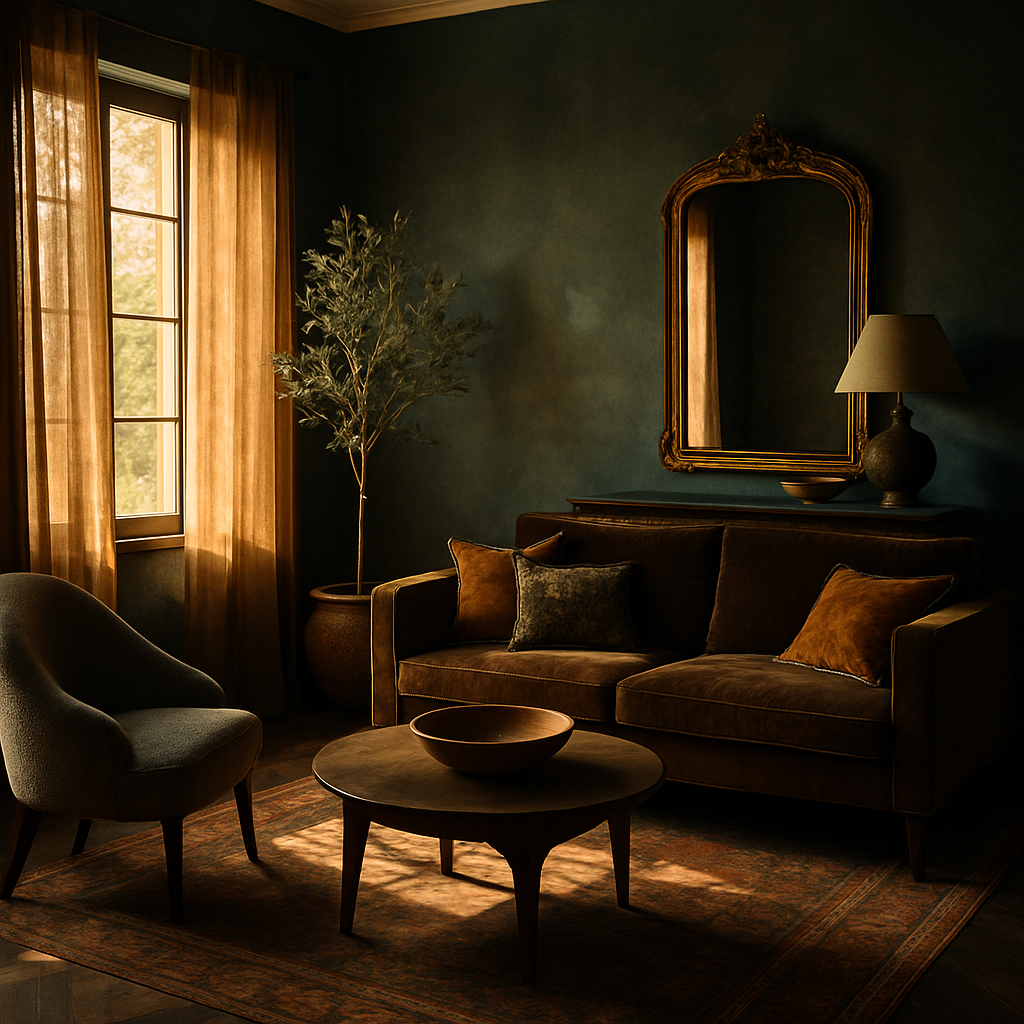
Imagine walking into a sun-drenched villa in the heart of Tuscany, where the earthy scent of terracotta fills the air and warm golden hues envelop you. This is the essence of Tuscan interior design-a style that evokes warmth and hospitality. According to a recent Houzz survey, 68% of homeowners are increasingly drawn to design styles that emphasize comfort and warmth in their living spaces. This trend underscores the timeless appeal of Tuscan interiors. In this article, we will explore the foundational concepts of Tuscan design, delve into its rich details, and provide actionable strategies for incorporating this inviting style into your own home. From understanding the role of color palettes to integrating natural materials, you'll gain expert insights to create your own slice of Italy at home.
The Foundations of Tuscan Interior Design
Tuscan interior design is grounded in the rustic elegance of the Italian countryside. It draws heavily from the region's landscape, focusing on elements that bring the outdoors inside. A typical Tuscan home incorporates natural materials such as stone, wood, and wrought iron, which form the backbone of this enduring style. These materials are not just aesthetic choices; they are practical ones that reflect the durability and beauty of the Tuscan landscape. The use of terracotta tiles, for instance, not only adds warmth but also maintains a cool temperature in the hot Mediterranean climate.
Color plays a crucial role in setting the mood in Tuscan interiors. The palette typically includes warm earth tones-think rich sienna, ochre, and deep olive greens. These colors mimic the natural scenery of Tuscany, from its rolling hills to its sun-drenched vineyards. By using these tones, you create a seamless transition between the interior and exterior spaces, making your home feel like an extension of the landscape. It's a design philosophy that emphasizes harmony and balance, essential elements in creating a welcoming atmosphere.
Architectural Digest notes that another hallmark of Tuscan design is its emphasis on texture. Walls are often finished with plaster, giving them a tactile, handcrafted appearance. This textural depth is complemented by the use of heavy wooden beams and wrought iron details, which add character and authenticity. By incorporating these foundational elements, you can begin to craft an environment that feels both timeless and inviting. But how can you translate these principles into your modern home? The next section will delve deeper into this transformation.
Translating Tuscan Design into Modern Homes
Bringing Tuscan charm into a contemporary setting requires thoughtful adaptation of its traditional elements. While the core materials remain the same, their application in modern homes can vary. For example, exposed wooden beams can be seamlessly integrated into open-concept living spaces, adding warmth and architectural interest without compromising modern aesthetics. According to the American Society of Interior Designers (ASID), blending old-world charm with current design trends is increasingly popular among homeowners seeking unique yet comfortable spaces.
Lighting is another key aspect where Tuscan design meets modern functionality. The style traditionally favors natural light, with large windows and open spaces that invite the sun's warmth inside. Modern homes can enhance this by incorporating smart lighting systems that adjust to the time of day, mimicking the natural light and creating a cozy ambiance at all times. Experienced professionals often note the importance of layering lighting-combining overhead fixtures with table lamps and sconces-to add depth and dimension to the space.
One practical way to modernize Tuscan interiors is through the use of technology. Smart home integration, such as automated window treatments and climate control, can complement the rustic charm of Tuscan design. This fusion of old and new not only enhances convenience but also enriches the living experience. As we explore the actionable strategies in the following section, consider how these modern adaptations can fit into your home's unique layout and design goals.
Actionable Strategies for a Tuscan Makeover
One of the most effective ways to introduce Tuscan design into your home is by focusing on the kitchen. Known as the heart of the home, a Tuscan kitchen is both functional and inviting. Start by incorporating a large wooden dining table, which serves as a gathering point for family and friends. Consider adding open shelving made from reclaimed wood to display ceramic dishes and copper pots, adding a rustic touch. The International Interior Design Association (IIDA) suggests using a mix of vintage and modern elements to create a layered, lived-in look.
Another strategy is to bring the outdoors in by integrating natural elements. This can be achieved through biophilic design, which emphasizes the use of plants and natural materials. Consider installing a living wall or placing potted olive trees in strategic locations to add greenery and freshness. These elements not only enhance the aesthetic appeal but also contribute to better air quality and a more relaxed atmosphere. Are there natural elements you can incorporate into your current space to evoke a sense of tranquility?
Flooring choices can also make a significant impact. Terracotta tiles are a signature feature of Tuscan interiors, known for their durability and warmth. However, if you're looking for a more contemporary option, consider using large-format porcelain tiles with a terracotta finish. They offer the same visual appeal without the maintenance associated with natural stone. By focusing on these key areas, you can effectively transform your space into a warm and inviting Tuscan retreat. In the next section, we'll delve into expert-level details to refine your design further.
Expert Tips for Authentic Tuscan Interiors
To achieve a truly authentic Tuscan interior, attention to detail is paramount. According to NCIDQ-certified designers, layering textures and patterns is essential. Incorporate rich fabrics such as velvet or damask for upholstery, paired with natural linen curtains to balance the opulence with simplicity. This juxtaposition of textures adds depth and interest to the room, creating a space that feels curated yet comfortable.
Another expert tip is to focus on the art and decor. Tuscan interiors often feature artwork that reflects the region's history and culture. Consider hanging oil paintings or frescoes that depict pastoral scenes or historic Italian landmarks. These pieces serve as focal points, drawing the eye and reinforcing the cultural authenticity of the space. Likewise, decorative elements like wrought iron candle holders or terracotta pottery can enhance the visual narrative.
Finally, experienced professionals emphasize the importance of personal touches. While it's crucial to maintain the stylistic integrity of Tuscan design, infusing your personality through unique decor items or family heirlooms can make the space feel truly yours. How can you incorporate elements that tell your personal story while adhering to the Tuscan aesthetic? The next section will explore additional details to ensure your design is both cohesive and inviting.
Additional Details to Enhance Your Design
When it comes to adding the finishing touches to your Tuscan-inspired space, consider the impact of textiles and accessories. Incorporate soft, plush rugs in warm tones to add comfort and define areas within a room. Textiles such as throw pillows and blankets in complementary colors can provide both visual interest and a sense of coziness. According to Houzz, nearly 60% of homeowners prioritize comfort alongside aesthetics, making these choices both practical and stylish.
Incorporating antiques or vintage pieces can also elevate your Tuscan design. Look for items with a story, such as a weathered wooden bench or an ornate mirror with a patina finish. These pieces add character and a sense of history to your home, aligning with the timeless nature of Tuscan interiors. The AIA suggests sourcing from local antique shops or online marketplaces to find unique, authentic pieces.
Finally, consider the role of scent in creating an inviting atmosphere. The subtle aroma of lavender or rosemary, often used in Tuscan homes, can enhance the sensory experience. Use essential oils or natural candles to infuse these scents into your space, creating a holistic environment that appeals to all the senses. With these additional elements, your Tuscan design will not only look inviting but feel welcoming in every aspect. The final section will provide perspectives on maintaining and evolving your design over time.
Maintaining the Warmth of Tuscan Design
Once you've established your Tuscan-inspired space, it's important to maintain its warmth and appeal. Regularly updating accessories and decor can keep the design fresh without losing its core identity. Swapping out textiles seasonally or incorporating new artwork are simple ways to give your space a refreshed look. How frequently do you update your decor to keep your space feeling new and inviting?
Another aspect to consider is the functionality of your space. As your needs evolve, so should your interior. Whether it's rearranging furniture to accommodate a growing family or integrating the latest smart home technology, adaptability is key. This flexibility ensures that your space remains both practical and aesthetically pleasing.
Finally, engaging with design communities such as Houzz or the ASID can provide ongoing inspiration and resources. These platforms offer access to professional insights and a wealth of ideas to help you continuously refine your space. As we conclude, think about how you can take the next step in your Tuscan design journey.
Conclusion: Your Tuscan Journey Begins
Embracing Tuscan interior design is not just about adopting a style; it's about creating an atmosphere where warmth and hospitality reign. By incorporating natural materials, warm colors, and detailed textures, you transform your home into a welcoming haven. Remember, the key to a successful Tuscan interior lies in the balance between tradition and modernity, personal touches and timeless elements.
Are you ready to bring a touch of Tuscany into your home? Start by browsing portfolios on Houzz this week-dedicating even 20 minutes to research can sharpen your eye for what you want. With the right approach and resources, your home can become a sanctuary of warmth and elegance, reminiscent of the Italian countryside. Embrace the journey of transforming your space, one Tuscan element at a time.


Comments
Post a Comment