Embrace Nature: How Organic Modern Design Enhances Your Living Experience
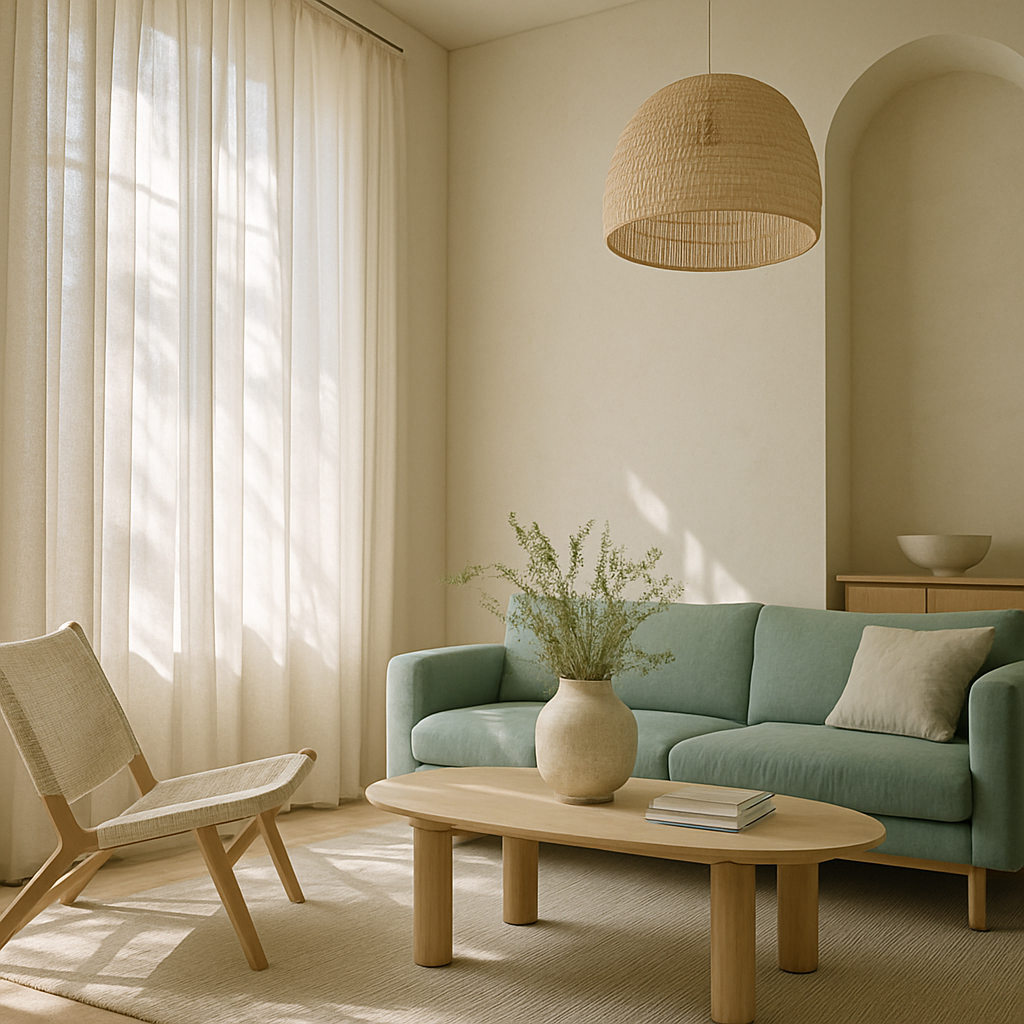
Have you ever walked into a space and felt an immediate sense of calm and connection with nature? This is the transformative power of organic modern design, a style that seamlessly blends the tranquility of the natural world with the sleekness of contemporary aesthetics. As more people seek to create serene sanctuaries within their homes, this design approach has gained considerable attention. In this article, we will explore the foundational elements of organic modern design, delve into the benefits supported by research, provide actionable strategies for implementation, offer expert-level insights, and discuss the future of this design trend. By the end, you will be equipped to transform your living space into a harmonious and inviting haven.
The Core Elements of Organic Modern Design
At its heart, organic modern design emphasizes the use of natural materials and forms, creating a seamless blend between the indoors and outdoors. This design philosophy draws inspiration from nature, emphasizing elements such as wood, stone, and plant life. Incorporating these materials not only fosters a sense of warmth and approachability but also invites nature's tranquility into your home. Imagine a living room where a reclaimed wood coffee table sits atop a stone-tiled floor, surrounded by greenery in the form of potted plants and a living wall.
Another key aspect of organic modern design is its focus on simplicity and functionality. This design style prioritizes clean lines and uncluttered spaces, allowing each element to stand out without overwhelming the senses. The minimalist approach not only enhances the aesthetic appeal but also contributes to a more organized and stress-free environment. According to the American Society of Interior Designers (ASID), decluttered spaces are directly linked to decreased stress levels and increased productivity, making this design choice both aesthetically and functionally beneficial.
Finally, organic modern design incorporates sustainable and eco-friendly practices. This includes the use of sustainably sourced materials, energy-efficient lighting, and the integration of smart technology to reduce environmental impact. As concerns over climate change intensify, more homeowners are seeking designs that reflect their commitment to sustainability. By choosing organic modern design, you not only create a beautiful space but also contribute positively to the environment. This eco-conscious approach is an integral part of the design's appeal, offering both immediate beauty and long-term benefits.
Understanding the Impact: Data and Trends
Recent research highlights the growing popularity of organic modern design. According to Houzz's annual survey, 45% of homeowners expressed a preference for incorporating natural elements into their design plans, citing a desire for spaces that promote relaxation and well-being. This trend reflects a broader movement towards biophilic design, which emphasizes the connection between humans and nature. But why is this connection so impactful? Studies have shown that exposure to natural elements can reduce stress, improve mood, and enhance cognitive function-benefits that are increasingly sought after in our fast-paced world.
In addition to its psychological benefits, organic modern design can also add significant value to your home. Experts estimate that well-designed interiors can increase a property's resale value by 5-15%. As the demand for nature-inspired spaces grows, homes featuring organic modern design elements are likely to attract more potential buyers. This trend is especially pronounced in urban areas, where access to nature is often limited, making a nature-infused home particularly appealing.
The integration of technology in organic modern design is another notable trend. Smart home technology, such as automated lighting and climate control, complements the natural aesthetic while enhancing functionality. This integration not only makes living spaces more comfortable and energy-efficient but also aligns with the modern aspect of the design style. According to industry professionals, the combination of natural materials and technology creates a unique and desirable living experience that appeals to tech-savvy homeowners.
Actionable Strategies for Implementing Organic Modern Design
Ready to transform your home with organic modern design? Start by assessing your current space and identifying areas where natural materials can be introduced. Consider replacing synthetic surfaces with wood or stone alternatives to create a more natural look. For instance, swap out a plastic laminate countertop for one made of polished concrete or natural stone. Not only do these materials offer durability, but they also bring unique textures and colors that enhance the overall aesthetic.
Incorporating greenery is another effective strategy. Potted plants, hanging gardens, or a living wall can add vibrant color and improve air quality. Choose plants that thrive indoors, such as snake plants or pothos, which require minimal maintenance. The addition of greenery not only reinforces the organic aspect of the design but also creates a dynamic and refreshing environment. Have you considered how a simple succulent arrangement could transform your workspace into a more inviting area?
Lighting plays a crucial role in organic modern design. Opt for fixtures that complement natural materials, such as pendant lights with wooden accents or lamps made from recycled metal. Additionally, maximize natural light by using sheer curtains or blinds that can be easily adjusted. This not only reduces energy consumption but also highlights the beauty of the interior elements. By thoughtfully considering lighting, you can create a warm and welcoming atmosphere that enhances the natural beauty of your space.
Expert Insights on Organic Modern Design
Experienced professionals often note that the success of organic modern design lies in its balance of form and function. According to the International Interior Design Association (IIDA), effective design should not only be visually appealing but also meet the practical needs of the inhabitants. This means considering how each piece of furniture will be used and ensuring that the layout facilitates easy movement and interaction. An open floor plan, for example, can enhance the flow of natural light and allow for flexible use of space.
Certification can also play a role in the implementation of organic modern design. Certified interior designers, such as those holding the NCIDQ (National Council for Interior Design Qualification), bring a level of expertise that ensures both aesthetic and functional considerations are met. They can guide you through the design process, from concept development to installation, ensuring that each element supports the overall vision. This professional guidance can be invaluable, especially for complex projects involving multiple rooms or custom installations.
Budgeting is another important aspect to consider. Organic modern design can be achieved at various price points, but it's essential to plan accordingly. A single room redesign might cost between $5,000 and $15,000, while a full-home transformation could range from $50,000 to $150,000 or more. Prioritizing key elements, such as sustainably sourced materials and quality craftsmanship, can ensure that your investment yields the desired results. Have you considered which areas of your home could benefit most from a design upgrade?
Exploring Further: The Future of Organic Modern Design
As we look to the future, the integration of organic modern design is expected to evolve with emerging trends and technologies. The concept of biophilic design will likely continue to gain traction, emphasizing the health and well-being benefits of connecting with nature. This could include more advanced uses of technology, such as augmented reality (AR) tools that allow homeowners to visualize design changes in real time, making the design process more interactive and personalized.
Sustainability will also remain a central focus, with designers increasingly turning to reclaimed and renewable materials. This shift not only aligns with environmental goals but also offers unique aesthetic opportunities. Imagine a dining table crafted from reclaimed barn wood or a feature wall made of recycled glass tiles. These elements tell a story and add character to the home, further enhancing the organic modern aesthetic.
Ultimately, the future of organic modern design lies in its ability to adapt to changing needs and technologies while maintaining its core principles of simplicity, functionality, and a strong connection to nature. As more people seek to create homes that are both beautiful and sustainable, this design style will continue to resonate and inspire. As you consider your own home, how might you incorporate these evolving elements to enhance your living experience?
Conclusion: Transform Your Space with Organic Modern Design
Embracing organic modern design offers an opportunity to create a living environment that is both aesthetically pleasing and deeply connected to nature. By incorporating natural materials, sustainable practices, and smart technology, you can transform your home into a sanctuary that promotes relaxation and well-being. This design approach not only enhances your daily living experience but also adds value to your property, making it a worthwhile investment.
Ready to begin your design journey? Start by browsing portfolios on Houzz or Instagram to gather inspiration and identify elements that resonate with you. Even 20 minutes of research can sharpen your eye for what you truly desire. As you embark on this transformation, consider consulting with a certified interior designer to ensure that your vision is realized with expertise and precision. Transform your living space today, and embrace the beauty and tranquility that organic modern design brings.


Comments
Post a Comment