DIY Interior Design: How to Create Stunning Spaces for Free
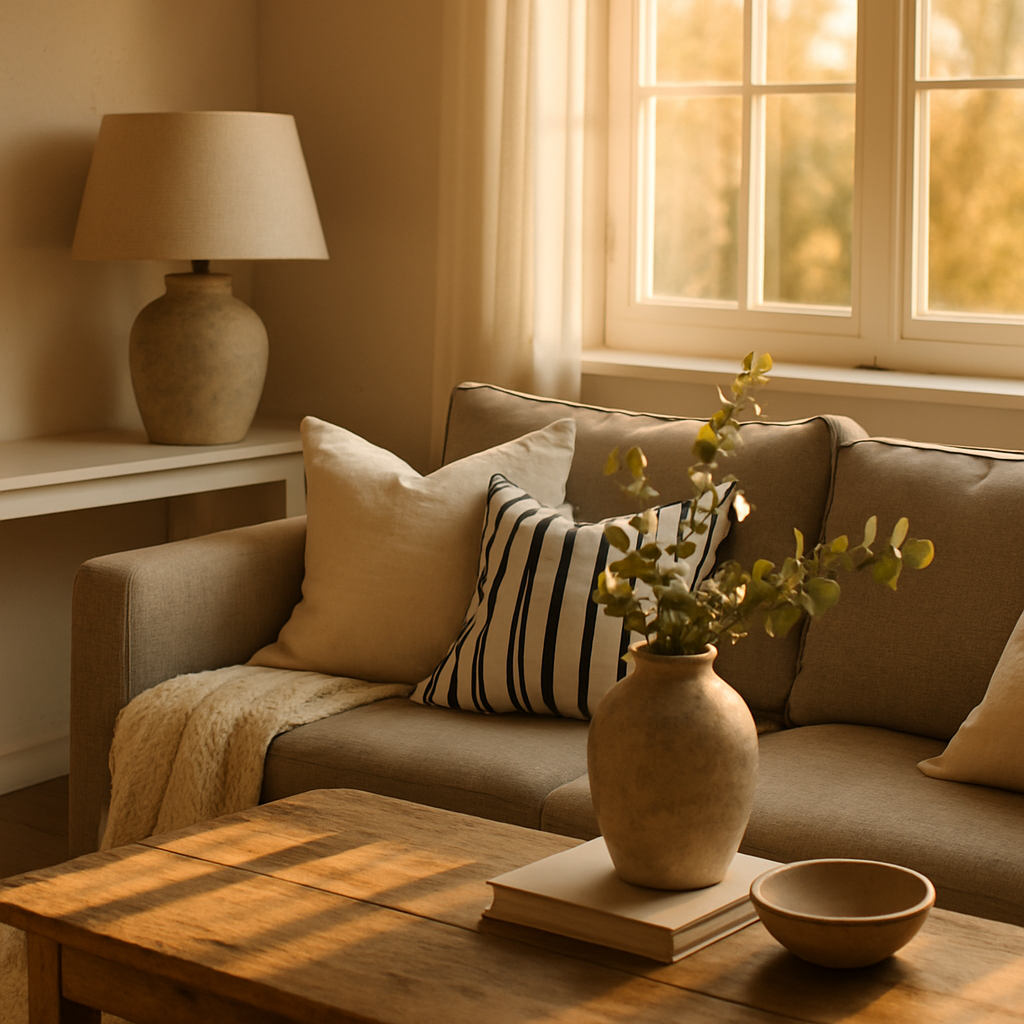
Imagine transforming your living space into a stunning haven without spending a single dime. Sounds impossible? According to a 2023 survey by Houzz, 45% of homeowners accomplished significant home updates using budget-friendly methods, many without spending extra money. DIY interior design isn't just about cutting costs; it's about unleashing creativity and maximizing existing resources. In this article, you'll explore foundational concepts, in-depth analyses, actionable strategies, expert insights, and advanced techniques to create beautiful spaces for free. Let's dive into the world of no-cost design innovation.
Understanding the Basics of DIY Interior Design
To embark on a successful DIY interior design project, it's essential to grasp the foundational concepts that guide the process. At its core, DIY design is about resourcefulness-leveraging what you already have while injecting your personal style and creativity. This approach often begins with a deep assessment of your current space. Ask yourself: Which areas feel cluttered? Where could you introduce new focal points? These questions will help identify opportunities for impactful changes.
One of the first steps in DIY interior design is understanding the power of repurposing. Experienced professionals often note that furniture rearrangement can dramatically alter a room's feel without any cost. For instance, move a sofa away from the wall to create a more intimate seating area, or swap artwork from one room to another to refresh your walls. This method not only revitalizes your space but also helps you appreciate the potential of each piece.
Finally, lighting plays a crucial role in transforming a room's ambiance. By repositioning lamps or removing heavy drapery to let in natural light, you can instantly brighten and open up your space. The strategic use of lighting can also highlight architectural features or decor elements you wish to emphasize. With these foundational concepts in mind, you're ready to delve deeper into the DIY design process.
Exploring DIY Design Techniques with Data-Driven Insights
Going beyond the basics, let's examine data-driven insights that can enhance your DIY interior design efforts. According to the American Society of Interior Designers (ASID), natural elements like plants and wood finishes are increasingly popular, with 38% of homeowners integrating them into their spaces over the past year. This trend, known as biophilic design, not only beautifies spaces but also improves mental well-being and air quality.
Another valuable insight comes from Houzz's annual survey, which indicates that 70% of homeowners who incorporated DIY elements found increased satisfaction with their spaces. This satisfaction stems from the personal investment and creativity DIY projects require, making spaces feel more personal and unique. Whether it's painting a feature wall or crafting handmade decor, these projects foster a sense of accomplishment and belonging.
Furthermore, data suggests that minimalist approaches, like the Japandi style-a blend of Japanese minimalism and Scandinavian warmth-are gaining traction. This style emphasizes functionality and simplicity, encouraging you to declutter and prioritize pieces that offer both utility and aesthetic appeal. Understanding these trends can help guide your decision-making process as you plan your DIY projects.
Actionable Strategies for Stunning DIY Interior Design
Ready to transform your space without spending a dime? Here are some actionable strategies to get started. First, consider hosting a decor swap with friends or family. This strategy not only refreshes your space with new items but also eliminates unused clutter. Swapping decor allows you to experiment with different styles and elements at no cost.
Next, tap into the power of online platforms like Pinterest and Instagram for inspiration. By creating mood boards, you can visualize potential changes and experiment with color schemes and layouts before implementing them. These platforms also connect you with a community of DIY enthusiasts who share tips and tricks, making it easier to tackle projects confidently.
Lastly, consider the impact of DIY art. Creating your own artwork is not only cost-effective but also adds a personal touch to your decor. Use materials you already have, such as leftover paint or fabric scraps, to craft bespoke pieces that reflect your style. These personalized touches can transform a room and make it distinctly yours. With these strategies, you're equipped to create stunning spaces that reflect your personality and creativity.
Expert-Level Insights for Advanced DIY Interior Design
For those ready to take their DIY design skills to the next level, expert-level insights can provide valuable guidance. Certified interior designers (those holding NCIDQ, ASID, or IIDA credentials) emphasize the importance of understanding the principles of scale and proportion. These principles ensure that your furniture and decor elements are balanced within the space, creating harmony and visual appeal.
Experienced professionals often recommend using technology for planning and visualization. Tools like AR/VR room visualization apps allow you to experiment with different layouts and designs digitally before making physical changes. This approach helps avoid costly mistakes and ensures that your design vision aligns with practical considerations.
Additionally, embracing sustainable practices can elevate your DIY projects. Consider upcycling old furniture or using reclaimed materials to craft unique pieces. This not only reduces waste but also adds character and history to your home. As you incorporate these expert-level insights, your DIY projects will reflect a sophisticated understanding of design principles and sustainability.
Delving Deeper into DIY Design Details
To further refine your DIY design skills, it's beneficial to explore specific elements in greater detail. One such element is color theory. Understanding how different hues interact can help you create a cohesive palette that enhances your space. Even subtle changes, like repainting a small section or incorporating colorful accessories, can have a significant impact.
Another detail to consider is texture. Layering different textures-such as soft throws, rough-hewn wood, and smooth ceramics-adds depth and interest to a room. This tactile approach makes spaces more inviting and dynamic. Think about how textures in your home might be combined in new and engaging ways.
Finally, don't underestimate the power of personal storytelling in design. Displaying items that hold sentimental value, like family photos or heirlooms, adds authenticity to your decor. These elements provide a narrative that can make your space uniquely yours, resonating with both residents and visitors. These details, when thoughtfully combined, create a rich and inviting environment.
Final Perspectives on DIY Interior Design
As you embark on your DIY interior design journey, remember that the process is as rewarding as the outcome. Each project is an opportunity to learn, grow, and express your creativity. Whether you're rearranging furniture or crafting custom decor, every step contributes to your home's transformation.
Consider how each element you introduce or rework helps tell the story of your home. Are there themes or motifs that reflect your personality or interests? By being intentional with your choices, you'll create a cohesive design that resonates on a personal level.
Ultimately, DIY interior design is about embracing the challenge of working within limitations. It's about finding innovative solutions and making the most of what you have. With each project, you'll gain confidence and develop a sharper eye for design, enriching your living environment in the process.
Conclusion: Take the First Step Toward Transformational Design
In conclusion, creating stunning spaces through DIY interior design is entirely achievable, even without a budget. By understanding foundational concepts, leveraging expert insights, and embracing new trends, you can transform your home into a reflection of your personal style and creativity. Start by taking a small step today-perhaps rearrange a room or explore online design tools. Each action builds momentum toward a beautifully designed space.
To begin your journey, consider browsing portfolios on Houzz or exploring design inspiration on Pinterest. Even dedicating 20 minutes to research will sharpen your eye for what you want. Remember, the most important part is to enjoy the process and celebrate the unique character you bring to your home. With determination and creativity, your DIY interior design projects will flourish.



Comments
Post a Comment